
How to use an Electrolux dishwasher?
 After purchasing a brand new Electrolux dishwasher, it's always tempting to immediately start using it as intended, rather than reading the official instructions and manufacturer's recommendations. However, this behavior can cause the appliance to malfunction, break dishes, or even flood your floors and the neighbors below. To prevent this from happening, we've prepared this resource for beginners, helping them learn how to use their Electrolux dishwasher.
We'll wash off the factory dirt and start the car wash.
Let's start from the very beginning: the equipment has been selected, paid for, transported to the new location, and already connected to all utilities. It might seem like you can start washing the first batch of dirty dishes, but that's not the case. First of all, you need to thoroughly rinse your “home helper” by running a working cycle without dishes. For this procedure, we need special salt and powder. Today's first instruction is dedicated to this very procedure.
- Open the dishwasher door, remove the lower basket and find the salt bin cover, which is located at the bottom of the washing chamber.
- Remove the lid and fill the tank to the brim with water.
Before using the machine for the first time, it's important to add enough water to the container, so feel free to pour in the liquid and don't worry about water spilling onto the bottom of the machine.
- Using a special funnel, add salt granules to the hopper in the amount recommended for your appliance. Typically, about 1 kilogram of salt is sufficient.
- Remove any remaining water and salt from the bottom of the wash chamber that may have spilled out while loading the salt bin.
- Close the tank lid.
- In the dishwasher settings, select the hardness mode to set the desired salt consumption level.
You can determine the hardness of your tap water using special devices, test strips, or on the official website of your city water utility.
In the future, salt granules will only need to be renewed when they run out and the salt indicator on the dishwasher control panel is activated. Depending on the water hardness and the time of year, a pack of salt can last from a month to a year.
After adding salt, add detergent. The detergent drawer is usually located on the inside of the door. Add much less detergent than salt—only 15-20 grams—and then close the drawer lid.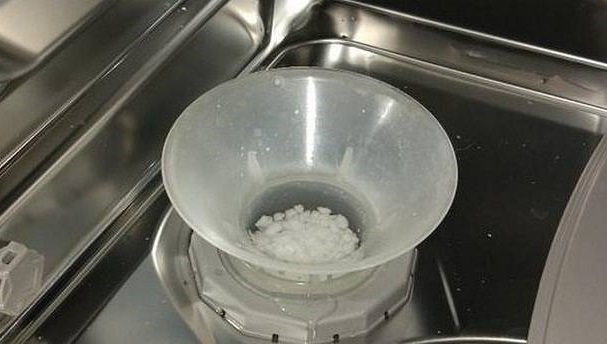
Before starting a test wash, make sure the water supply valve is open and the appliance is plugged in. Locate the power button on the control panel, which looks like a circle with a vertical bar, and turn on the appliance. Keep in mind that freestanding dishwashers have a control panel on the front panel, while built-in models have a control panel on the top edge of the door.
Now all that's left to do is turn on a high-temperature cycle, such as the intensive mode. Each mode has a dedicated button with its own icon on the control panel, making it easier for homeowners to operate the appliance. With a manual-controlled appliance, you'll have to turn the knob to the desired wash mode, but such machines are becoming increasingly rare these days.
Loading the dishwasher correctly
We've figured out the controls, now it's time to arrange the dishes correctly. Depending on the arrangement, the same cutlery can be washed to a crystal shine or with grease residue and food particles on the walls. To prevent this from happening, carefully study the standard dish placement guide included with your dishwasher's instructions.
Another important rule for loading dishes is the need to pre-clean the dishes of food debris, bones, napkins, and other items to prevent debris from clogging the inside of the appliance.
Standard-sized dishes are usually easy to handle, as these are the dimensions most often used by appliance manufacturers. Non-standard sizes are more challenging to work with, so consider the following loading recommendations.
- Load the bottom basket with the largest items, such as pots, pans, and large plates, first, and then move on to the top basket.
- Place all dishes in the holders, leaving a small gap between items to ensure they are thoroughly washed.
- All dishes are placed with the inside facing the center. Large plates should be placed in the outer sections of the basket, and small plates in the center.
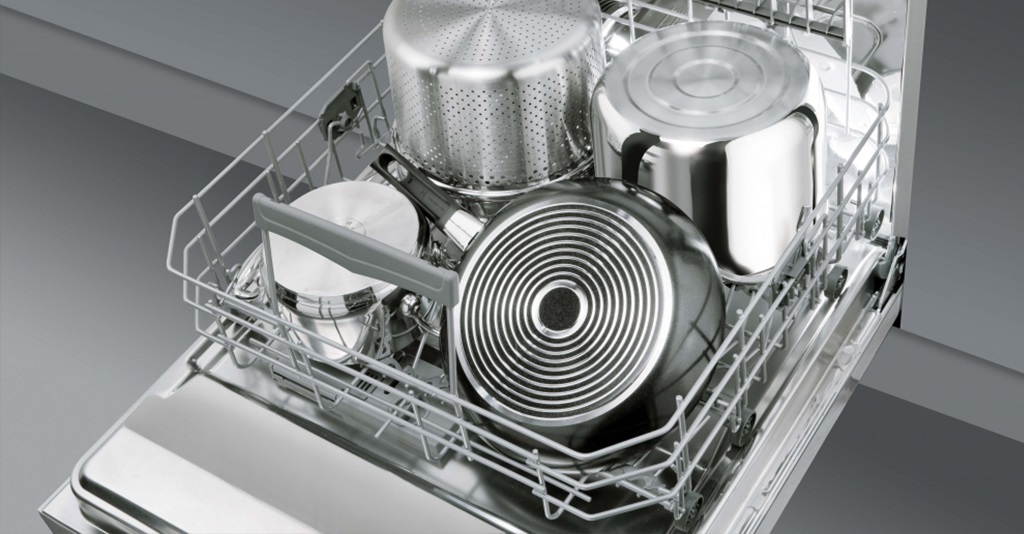
- Frying pans and baking trays should be placed on their sides so that they do not block the water supply to the upper basket.
- It is recommended to wash large pots upside down.
- If possible, do not wash pans and pots together with plates and fragile glasses.
- Don't overload the dishwasher with cutlery, otherwise the dishes won't be cleaned. It's best to divide the dishwasher into several washes.
- Glasses, cups, containers and other small items should be placed upside down in the top basket.
- Forks, spoons, knives, and other cutlery should be stored in a separate basket or pull-out tray at the top of the dishwasher. Larger items, such as ladles and spatulas, should be stored horizontally in the top basket.
- Always ensure that the dishes inside the dishwasher do not interfere with the rotation of the spray arms and do not block the powder drawer on the door.
In addition to these recommendations, remember that not all items are machine washable. To avoid accidentally damaging your appliances or tableware, check out the list of items that are not compatible with dishwashers.
Let's choose the right remedy?
Let's move on to the next point, which often raises many questions among new dishwasher users. There are many types of dishwasher detergents available on the market from a variety of brands. So how do you decide whether it's best to use gel, powder, or 3-in-1 tablets? The choice of detergent depends largely on how much money you're willing to spend on regular household cleaning products.
For example, combination tablets are definitely more convenient than any other detergent, but they are also much more expensive. Powder is significantly cheaper, but it is quite difficult to load into the machine. Therefore, every product has its pros and cons, but experts still recommend not using combination products, but using cleaning chemicals individually. To support their words, they give the following arguments: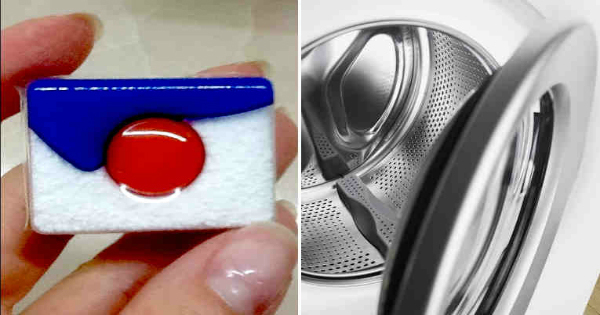
- It is cheaper to buy powder, rinse aid and salt separately than 3-in-1 tablets;
- You can adjust the dosage of detergents yourself depending on how many dishes you plan to wash and how dirty they are. With experience, you can "eyeball" the right amount of powder, gel, or rinse aid for each specific situation. This isn't possible with tablets, as they always have the same dosage.
If necessary, users sometimes even have to break 3-in-1 tablets into several pieces if they have a small "household helper", which causes the detergent to crumble and go to waste.
- Both the powder and the gel dissolve very quickly during washing, so it is recommended not to use tablets for short work cycles;
- The tablets contain a strictly limited amount of salt, which is insufficient to combat hard tap water. Therefore, if the water quality is poor, additional salt will have to be added to prevent the ion exchanger from failing, which only adds to the cost.
To choose the right brand of detergent for your appliance, read expert reviews and customer feedback.
What modes does the Electrolux dishwasher have?
Now the most important thing remains: starting the machine. It's crucial to select the correct operating mode for a given situation to ensure maximum efficiency. Not only the degree of soiling is important, but also the type of dishes being washed. Modern Electrolux dishwashers typically offer the following modes:
- Standard mode with water temperature up to 60 degrees Celsius, necessary for dishes with a medium level of contamination;
- Economy mode heats water to 50 degrees, saving water and electricity. Suitable for lightly soiled dishes;
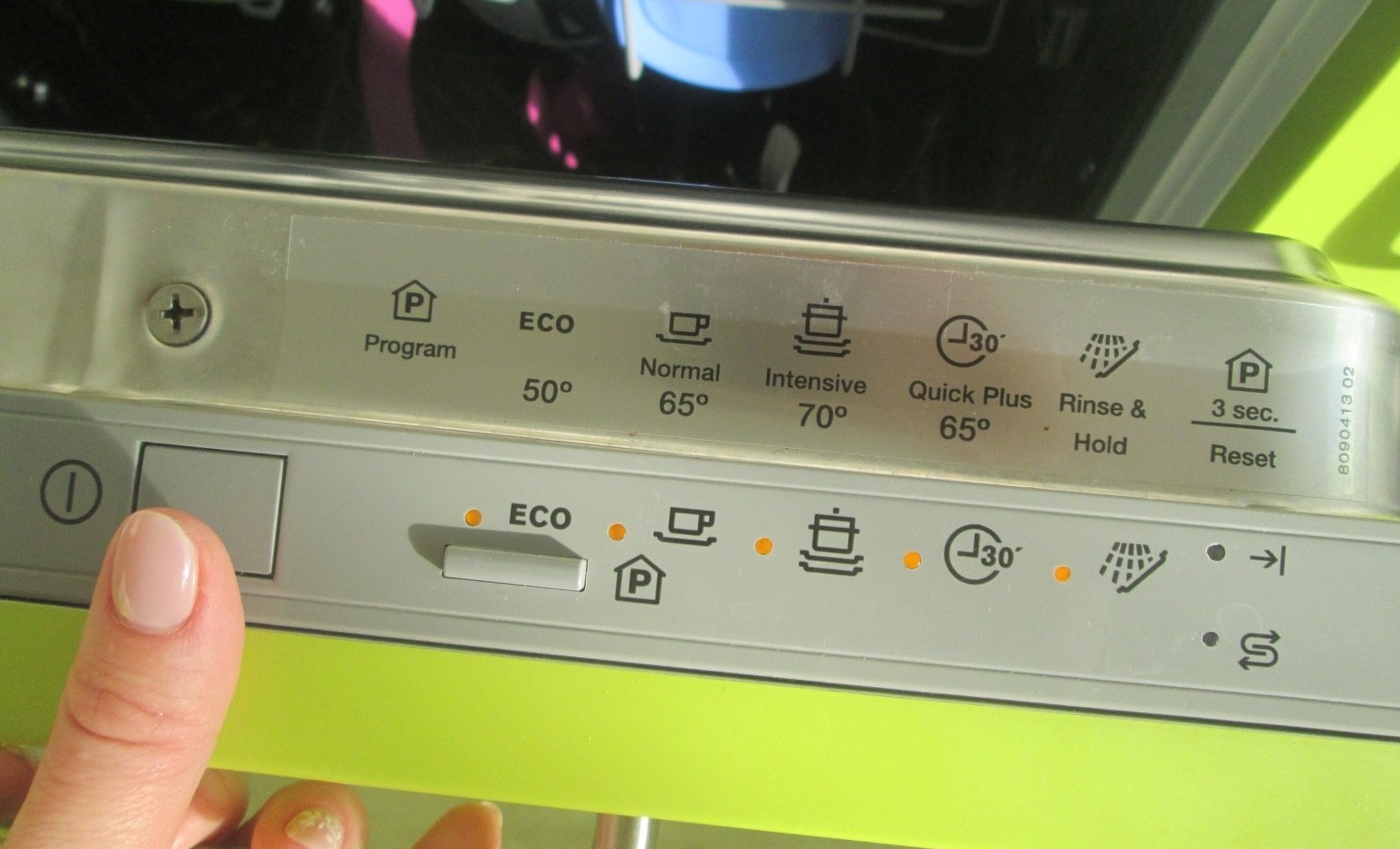
- An intensive mode with water heating up to 70 degrees, aimed at the dirtiest dishes, for example, pans, pots and plates with dried-on food;
- Delicate mode for fragile glassware, crystal and other delicate materials;
- Automatic mode that automatically selects water temperature, operating time, and other parameters.
The dishwasher's operating time depends on the mode and model of the appliance, so it can take from 45 minutes to 3.5 hours.
In addition to operating modes, dishwashers also feature additional functions needed for specific situations. For example, the half-load mode was designed for small batches of cutlery, preventing the accumulation of dishes. A pre-rinse mode allows for more thorough cleaning of dishes, especially those that have been stored dirty for a long time. The hygiene mode is perfect for disinfecting baby bottles and other utensils.
Remember the basic rules
Finally, there are a few more recommendations for caring for your dishwasher after washing. These are also important if you don't want to spend a lot of money on dishwasher repairs, or if you want to buy a new appliance or dishes. The tips are few, but worth keeping in mind.
- After the cycle is complete, not only unplug the dishwasher and remove the dishes from the racks, but also remove the racks themselves and the mesh filters from the bottom of the wash chamber. These filters should be thoroughly rinsed under a strong stream of tap water.
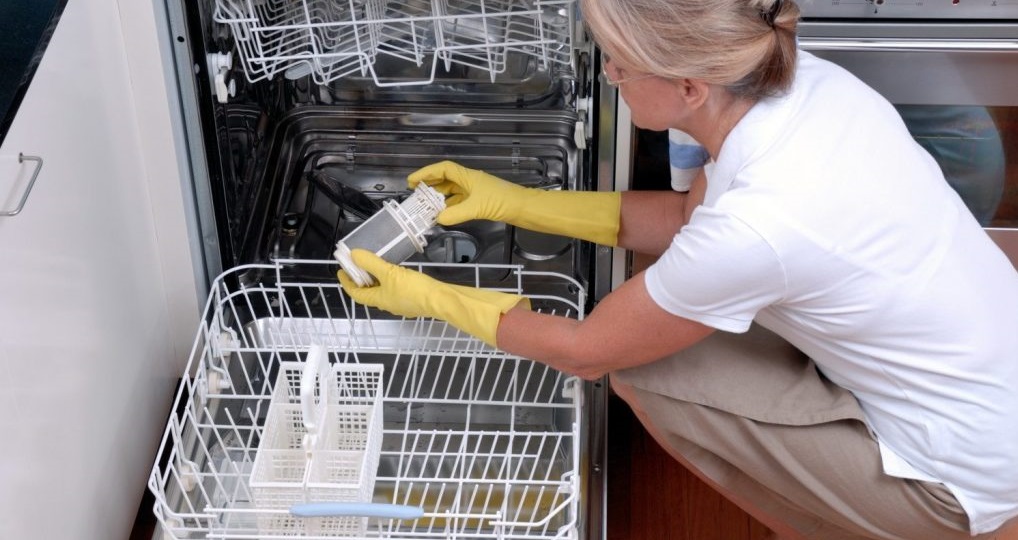
- Use a dry cloth to wipe the wet walls of the washing chamber and remove any food residue from under the door or rubber seal.
- The door of the machine must be left slightly open for several hours to allow the appliance to dry from the inside and prevent an unpleasant odor from forming inside.
This way, after finishing a wash, you can ensure your dishwasher is always clean in just 10 minutes, which will positively impact its lifespan. You should also degrease and descale the dishwasher at least once a quarter using a special cleaner. This procedure will remove deposits, grease, and other dirt from the dishwasher chamber, hoses, and pipes, and prevent clogs.
Interesting:




Readers' comments
Headings
Washing machine repair




For buyers




For users


Dishwasher




Add a comment