
How to use a Gorenje dishwasher
 You can easily avoid questions about how to use your Gorenje dishwasher by simply reading the official user manual. However, what if you don't have the manual and need to understand the intricacies of your appliance right away? We'll take a detailed look at the important details every dishwasher user should know.
General procedure
Most housewives rush to try out their new "home helper" immediately after purchasing it, but this is a mistake. First, it's important to prepare the machine for use so it can reliably perform its primary functions. This requires a number of essential steps.
- Load special salt for the ion exchanger.
- Adjust the hardness level.
- Run idle start of the dishwasher.
- Add detergent and rinse aid.
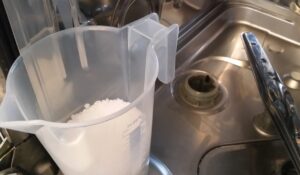
You should always start with salt, which is added to a separate reservoir located at the bottom of the wash chamber beneath the lower dish rack. Unscrew the lid of the reservoir, add about 1-1.5 kilograms of salt using the included funnel, then fill the reservoir with water until it reaches the top and tighten the lid. It is always a good idea to load the dishwasher before starting the dishwashing cycle to immediately wash away any salt solution that may have spilled over the edge of the tank. If this is not done, rust may appear on the bottom of the chamber, and the filter, pump and other key components of the dishwasher may be damaged by the salt solution.
Use only special salt for dishwashers, as it was specially created for dishwashers. Its granules are larger and purer than regular table salt, so it copes better with restoring the functions of the ion exchanger.
You can tell when it's time to add salt by the salt indicator on the control panel. If you've just added salt and the indicator is still lit, it means the salt hasn't dissolved yet, which can take several hours depending on the type of salt. If there's no indicator on the machine, you can estimate when the salt will run out. Adjust the water hardness setting based on the quality of your tap water and remember the salt addition date, as it may take several months to six months before you need to add salt again.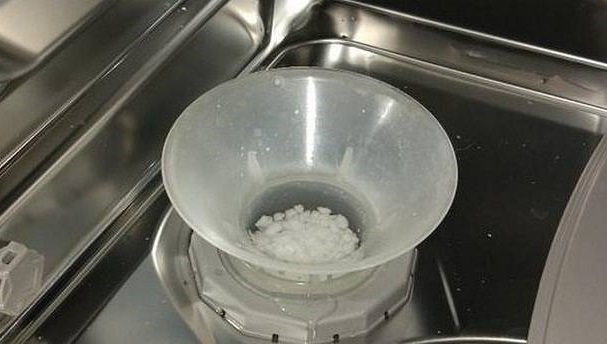
Now run a test cycle without any dishes. This will not only ensure that the appliance is securely connected to all utilities and is in good working order, but will also remove any dirt and dust that may have gotten into the unit during assembly.
Finally, add detergent and rinse aid to remove streaks from dishes. Using special 3-in-1 tablets can save time, but it will impact the cost and quality of maintenance—it's cheaper and better to use separate detergents. After this step, the dishwasher is ready for use.
Filling baskets with dishes
Loading the baskets is as important a preparation step for washing as the initial procedures described in the previous section. The problem is that if you load the dishes incorrectly, some of the cutlery may not be washed at all, which can lead to the impression that the machine is faulty. To prevent this from happening, strictly follow each step of the following instructions.
- Place small items in the top basket and the largest items in the bottom basket.
- Place plates and tureens with the inner side facing the center.
- Large plates should be placed on the sides of the basket, while small plates should be in the center.
- There must be at least minimal gaps between cutlery to allow water to circulate freely between the dishes.
- Each vessel, such as a saucepan, glass, cup or deep plate, should be placed upside down so that water can drain freely.
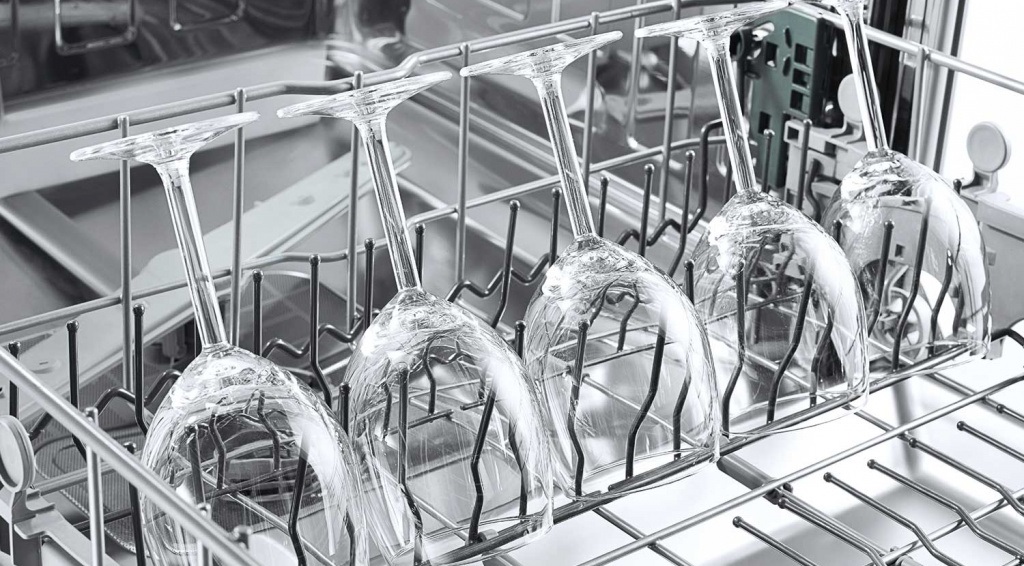
- Be careful not to allow glassware, crystal wine glasses, or other fragile items to touch other glassware to prevent cracking or damage.
- If you plan to wash baking sheets in a dishwasher, place them in the washing chamber only on their sides so that they do not block the flow of water from the spray arms.
- Try not to wash lightly soiled dishes at the same time as heavily soiled ones.
Never wash overly greasy dishes with food residue, bones, napkins, tea bags, and other debris in a dishwasher. All of this must be removed first to prevent the machine from clogging.
Experts don't recommend washing too many dishes at once, insisting on dividing large loads into several cycles. However, in some cases, it's important to wash a large amount of dishes at once, so if you're running out of space in your Gorenje dishwasher, follow these manufacturer tips:
- Adjust the position of the baskets so that when fully loaded, nothing interferes with the movement of the sprinklers;
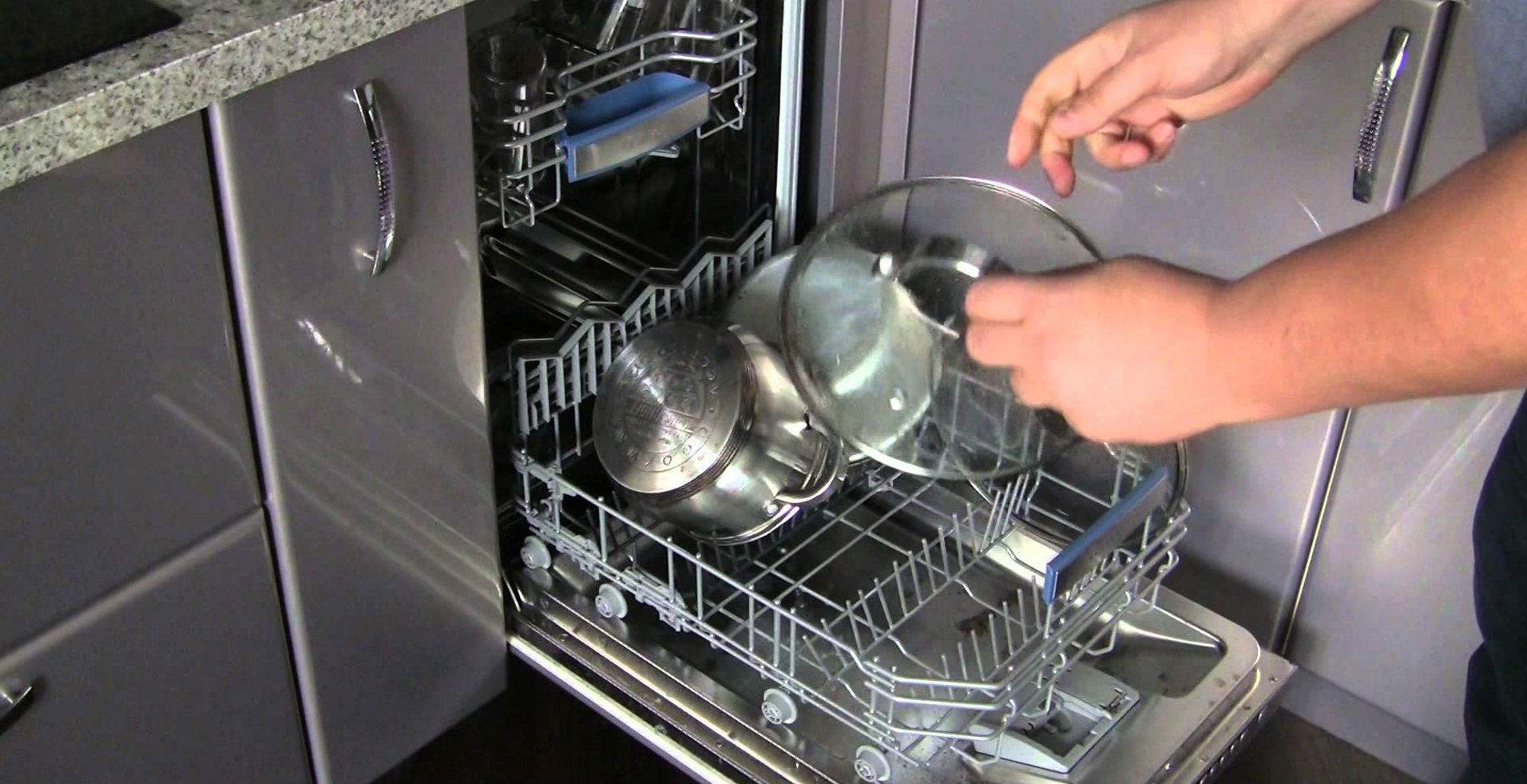
- If there is still not enough space inside the washing chamber for large items, then fold the cup stands and lift them up, or remove them completely;
- You can also fold the plate holders into the bottom basket to accommodate larger items.
Using our detailed instructions, your kitchenware will always be in perfect condition.
Maintenance of equipment
It might seem like keeping your washing machine running for a long time is as simple as adding household chemicals and loading dishes correctly, but that's also a misconception. There are detailed instructions on how to properly care for your "home helper" so it doesn't break down just a few years after purchase.
- After each wash, thoroughly clean the wash chamber, starting with the rubber door seals. Food and drink residue often gets caught behind the rubber seals during the cycle and remains there, so it's best to remove it manually.
Before cleaning and servicing the machine, remember to disconnect the appliance from the power supply.
- You should also check the filter system at the bottom of the chamber, which traps the largest food particles during operation. Food can clog the filters, so it's best to clean them yourself. Simply remove the filters, rinse them under a strong stream of hot water, and, if necessary, clean them with a soft brush.
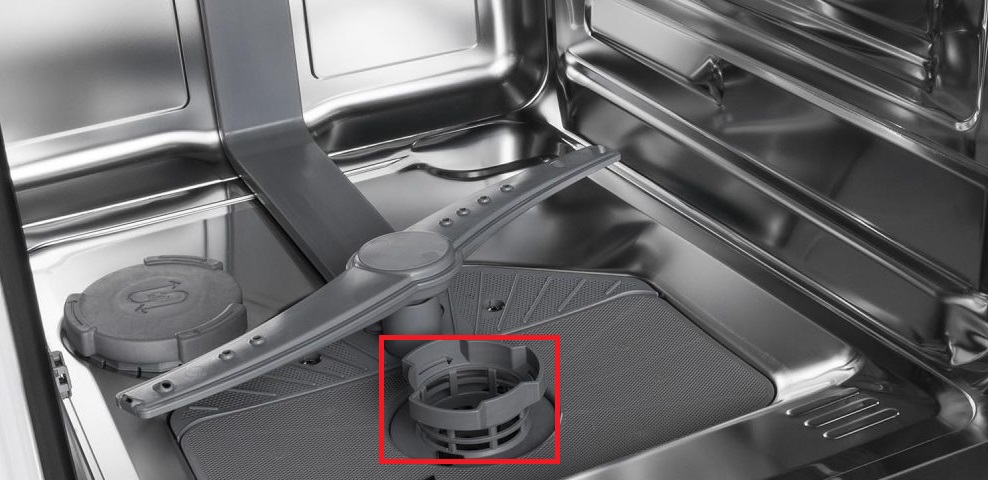
- The same procedure must be performed on the sprinklers. They are carefully removed after the operating cycle, rinsed with hot water and a soft brush, and then reinstalled.
- After cleaning the inside of the machine, leave the door open for a few hours until all the moisture has evaporated. Failure to do so can cause an unpleasant odor and even mold to form inside the machine.
- Once a quarter, you should purchase a special dishwasher cleaner and run it through an idle cycle with this household cleaning product. This procedure will help deep clean the most hard-to-reach areas of the machine, removing debris and dirt.
By following these simple steps, your machine will serve you for many years, and the quality of your wash will always be excellent.
Interesting:





Readers' comments
Headings
Washing machine repair




For buyers




For users


Dishwasher




Add a comment