
How to use an Ikea dishwasher
 To ensure your dishwasher operates reliably and without malfunctions for a long time, it's important to follow basic operating instructions. Careless handling can lead to premature failure. Let's explore how to use your dishwasher and what maintenance recommendations are essential.
Prepare the equipment for operation
The instructions for your Ikea dishwasher will help you understand how to use it. The manual covers absolutely all the important points: how to connect the device to utilities, how to start the first cycle, what programs are stored in the memory. It is important to follow all manufacturer's recommendations.
It's best to call a professional to connect your dishwasher. They'll install the appliance and connect it to the water supply and sewer lines. After that, you can start using the dishwasher.
The first cycle of the dishwasher should be empty, with detergent, but without dishes in the working chamber.
During factory assembly, dishwasher components become dirty. Oil, other fluids, dust, and dirt accumulate on the parts. Therefore, the first cycle is run empty to clean the insides of the machine.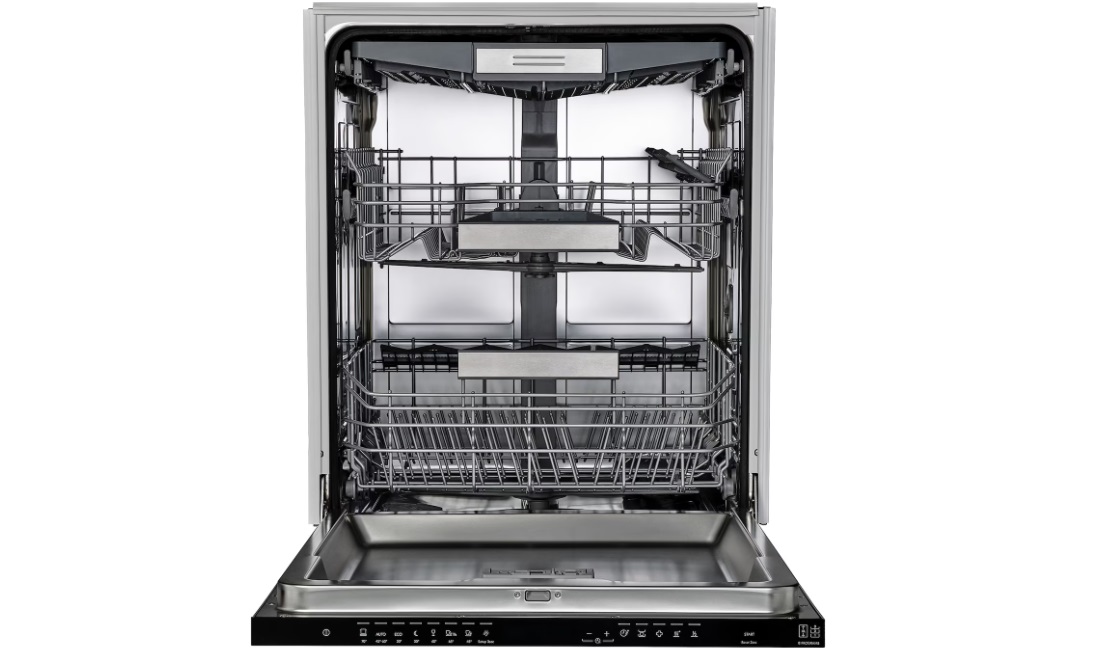
The second purpose of the empty cycle is to check the dishwasher's functionality. Observe how the dishwasher performs each program step. Check for leaks, whether the water heats up, and how the waste liquid drains. If all goes well, the dishwasher is ready for full use.
After a successful first test cycle, you can run a second one, this time with dishes. The cutlery is placed in the baskets, salt is poured into a special reservoir, and detergent is added to the other drawer. Then, the dishwasher door is closed tightly, and the desired wash program is activated.
Purpose of dishwasher baskets
Arrange dishes inside the machine according to the instructions. If plates and mugs are not secured properly, they may break or crack during the wash. Placing items too close together will reduce the cleaning results. Therefore, it's important to arrange cutlery correctly.
The upper basket is designed to accommodate small items:
- saucers;
- mugs;
- glasses;
- gravy boats;
- bowls;
- glasses.
The bottom of the top tray is equipped with small pins, which are divided into separate sections. This allows you to secure small dishes. Ikea dishwashers have separate holders for glasses.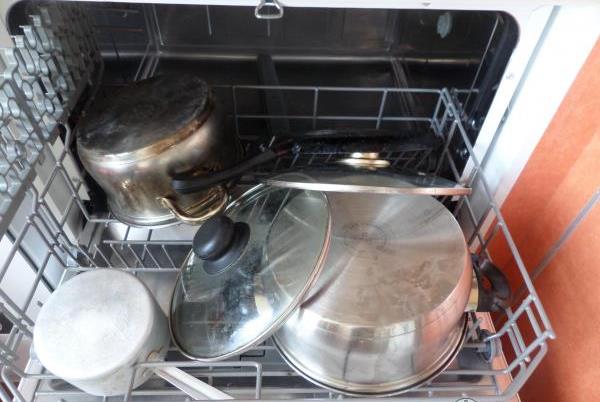
The lower basket is designed for larger items:
- bowls;
- plates;
- salad bowls;
- bowls;
- frying pans;
- pots;
- saucepans;
- more disgusting.
Water is sprayed onto dishes placed in the lower tray from all sides. This ensures a more thorough wash. Pots and saucepans should be placed upside down.
Ikea dishwashers also feature a tray for forks, spoons, and knives. This is a separate, removable container that fits above the main baskets. This creates three levels of cutlery storage in the dishwasher.
We arrange the dishes in baskets
The purpose of baskets is clear, but how exactly should you place dishes in them? There are certain rules here. Let's look at the basic recommendations.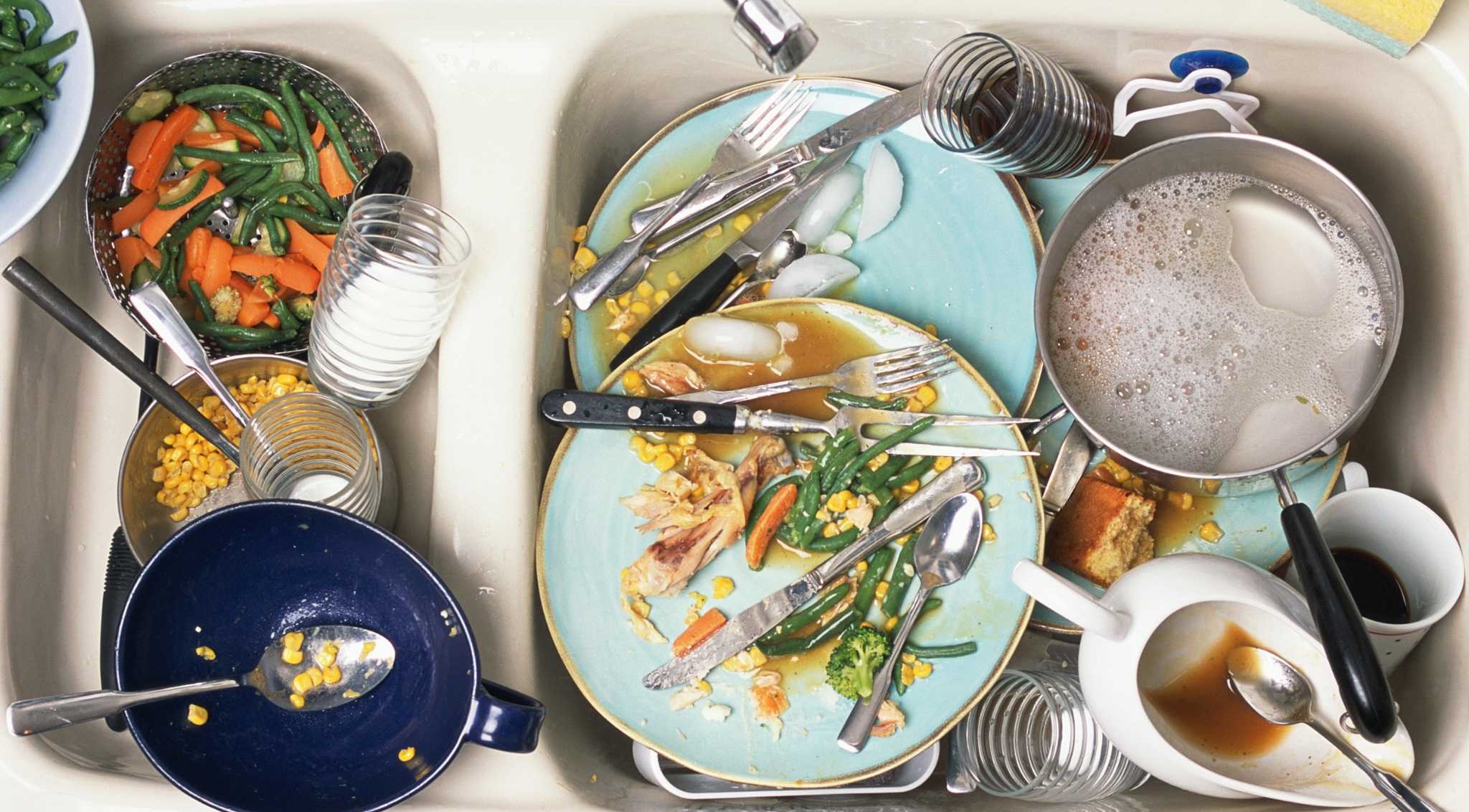
First, be sure to remove any food particles from the dishes. Before loading, wipe heavily soiled utensils with a damp cloth or sponge. The better the cleanliness, the safer they are for the dishwasher. Small debris, such as fruit pits, tea bags, and toothpicks, can easily clog the dishwasher's drain system.
Be sure to secure all dishes in the baskets so that cups, saucers and plates do not fall under the pressure of water during the program.
Secondly, don't stack dishes too close together. Be sure to leave some space – this will improve the cleaning results. If there are too many dirty items, it's better to split them into several cycles rather than overload the dishwasher.
If, on the other hand, you have very few dishes, don't worry. This won't affect the machine's performance. You'll just need to select the half-load setting. The dishwasher will use less water, kilowatts, and detergent.
The top basket is used for cleaner dishes (mugs, small saucers, glasses). Dirty, bulky items should be placed only in the bottom basket. This will ensure proper cleaning.
The nuances of bookmarking individual items
There are also subtleties to sorting dishes into baskets. For example, which way to place plates and whether to turn mugs over. Let's explore these nuances.
- Mugs and glasses are placed in the top basket. They should be turned upside down and positioned at an angle. Stemware is secured in special holders. This will allow water to drain freely during the wash cycle, rather than remaining in the dishes.
- Small plates can also be placed on top. Bowls, saucers, and tureens can be turned upside down and secured at a slight angle.
- Large-diameter plates are placed vertically in the bottom tray, with the front facing toward the center of the basket. The larger the plate, the closer to the edge it should be placed.
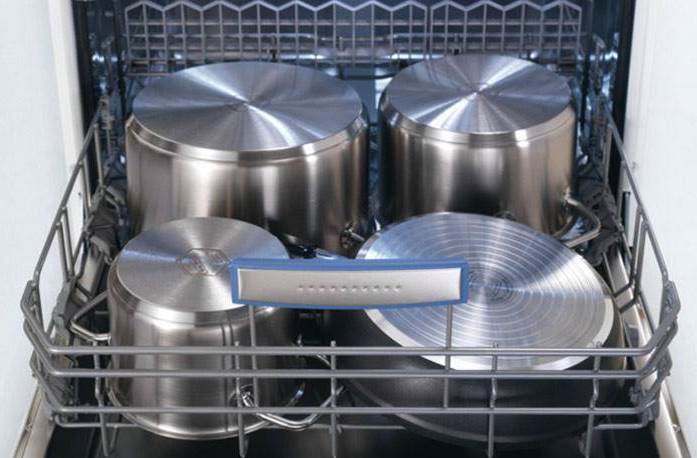
- Pots, saucepans, frying pans, and baking sheets are placed upside down in the lower basket. Their handles should not interfere with other cookware. Their lids are placed vertically along the edges of the tray.
- Spoons, forks, and knives, as mentioned above, are loaded horizontally into a separate upper container. Some dishwasher models have a special basket, in which case they can be stored vertically. Place the utensils in a random order so they don't obscure each other.
- Other utensils (ladles, mashers, garlic presses, whisks, frying spatulas) can be placed horizontally in either the lower or upper basket. Cutting boards are placed vertically at the bottom.
It's important to remember that not all dishes are dishwasher-safe. Wooden and cast-iron items are prohibited. Some types of plastic are also dishwasher-safe.
What products does PMM use?
Another important point is the use of detergents. For dishwashers, you need to buy special household chemicals. Regular dishwashing gels foam a lot and can cause equipment damage.
For the dishwasher to function properly, salt and a special detergent are required.
Many housewives also prefer to use dishwashing liquid. It's not necessary, but if you prefer, you can purchase one. It's poured into a separate compartment.
Dishwasher salt softens hard water, preventing scale and limescale buildup on the appliance's internal components, as well as streaks on dishes. Many dishwasher models feature a special indicator that lights up when the salt crystals in the ion exchanger are running low.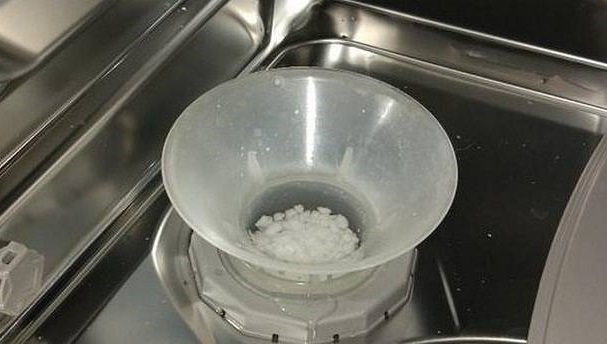
Detergent tackles grease and stains on dishes. You can purchase special dishwasher tablets, gel, or opt for powder.
(this is the most budget-friendly option).
Many housewives prefer to use dishwasher tablets. This form of detergent has several advantages.
- Easy to use. Using tablets, it's impossible to mismeasure. One capsule is enough for a full dishwasher load. When loading powder or gel, it's easy to overfill or underfill.
- Versatility. 3-in-1 tablets contain cleaning agents, salt, and rinse aid. One capsule can replace three products.
- Convenience. Storing this product is much easier than, say, dishwasher detergent.
5-in-1 tablets are also available. They have a richer formula and contain enzymes that improve cleaning performance. They also contain components that add extra shine to dishes.
Among the disadvantages of tablets is their higher cost compared to gels or dishwasher powders. The capsules also cannot be separated for a half-load dishwasher. They also resemble candy, so in a home with small children, the product will need to be kept out of reach.
Interesting:




Readers' comments
Headings
Washing machine repair




For buyers




For users


Dishwasher




Add a comment