
How to use an Indesit dishwasher
 Even though dishwashers have intuitive and logical controls, it's still worth reading the manufacturer's manual, as it's the only way to fully understand the functionality of your new "home assistant." But what if you don't have time to read hundreds of pages of documentation, or simply don't have it on hand? For this situation, we've prepared a detailed guide on how to use your Indesit dishwasher.
Getting ready to use the dishwasher
The first step after purchasing any dishwasher is to run it dry. Don't load it with a mountain of dirty dishes right away; instead, the machine should be completely empty when you run the first cycle. Why is this necessary?
- This type of wash cleans the inside of the unit to remove any traces of oil, dust, and dirt that may have remained during assembly at the factory.
- A test cycle can also be used to ensure that the connection to the water supply and drain is secure, that there are no leaks, and that the dishwasher itself is functioning properly.
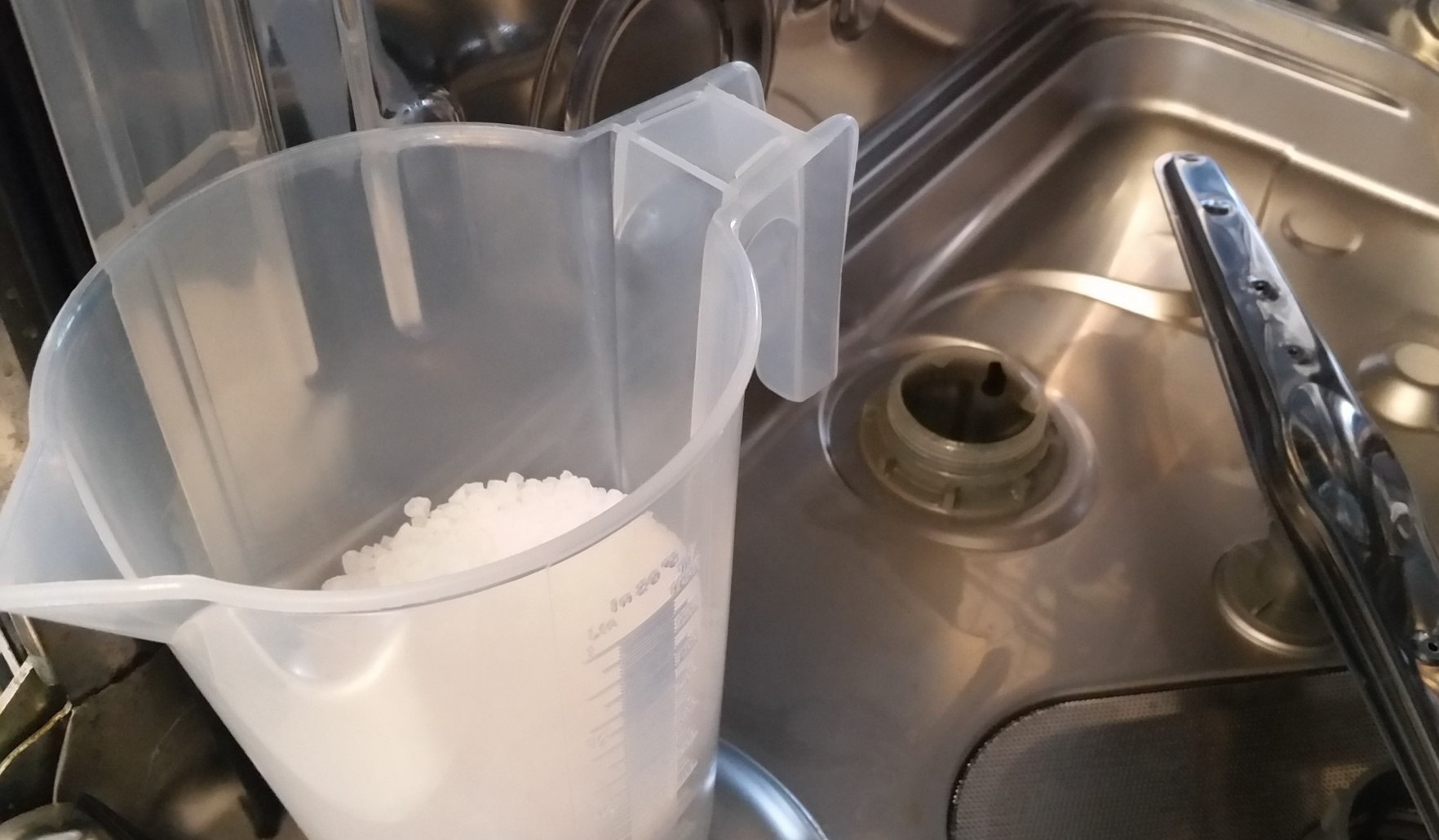
If the test is successful, only then can you begin preparing the dishwasher for normal use. Add about a kilogram of special salt to the salt compartment located at the bottom of the wash chamber. Pour 3-in-1 powder or tablet into the detergent compartment, and pour the appropriate rinse aid into the rinse aid compartment. Finally, prepare the dirty dishes and arrange them correctly in the racks, then close the dishwasher door. The machine is ready to use.
How to put items into baskets?
From the outside, it may seem like there are no important nuances to loading dishes – just arrange the plates and cutlery in the baskets and you’re done. However, there are a number of rules for arranging cutlery, which, if not followed, can result in dirty dishes after washing, as if there had been no washing at all. Every piece of cutlery must be in its proper place in the washing chamber; otherwise, after a work cycle, you may well feel that the equipment is defective or simply of poor quality.
To prevent this, almost all Indesit dishwashers feature two baskets for dishes, plus an additional basket for small cutlery. The upper basket is designed for small items such as mugs, dishes, bowls, and so on, while the lower basket is used for larger items such as pans, pots, baking sheets, and large plates. Many dishwashers feature height-adjustable baskets to optimize the use of the entire wash chamber and accommodate more dishes, ensuring even cleaning from all sides.
To create even more space for your cutlery, the vertical holders found in most Indesit dishwashers can be folded out of the lower basket.
Small cutlery is typically placed in a special tray that is positioned vertically. This includes forks, spoons, knives, small spatulas, and other items. When placing cutlery in the dishwasher, follow the instructions.
- Always pre-clean dishes to remove any food particles, bones, napkins, or other items that could clog the dishwasher's debris filter.
- Rinse greasy and heavily soiled dishes under a strong, hot stream of water before loading them into the dishwasher. This is especially true if your dishwasher doesn't have a soak or pre-rinse function.
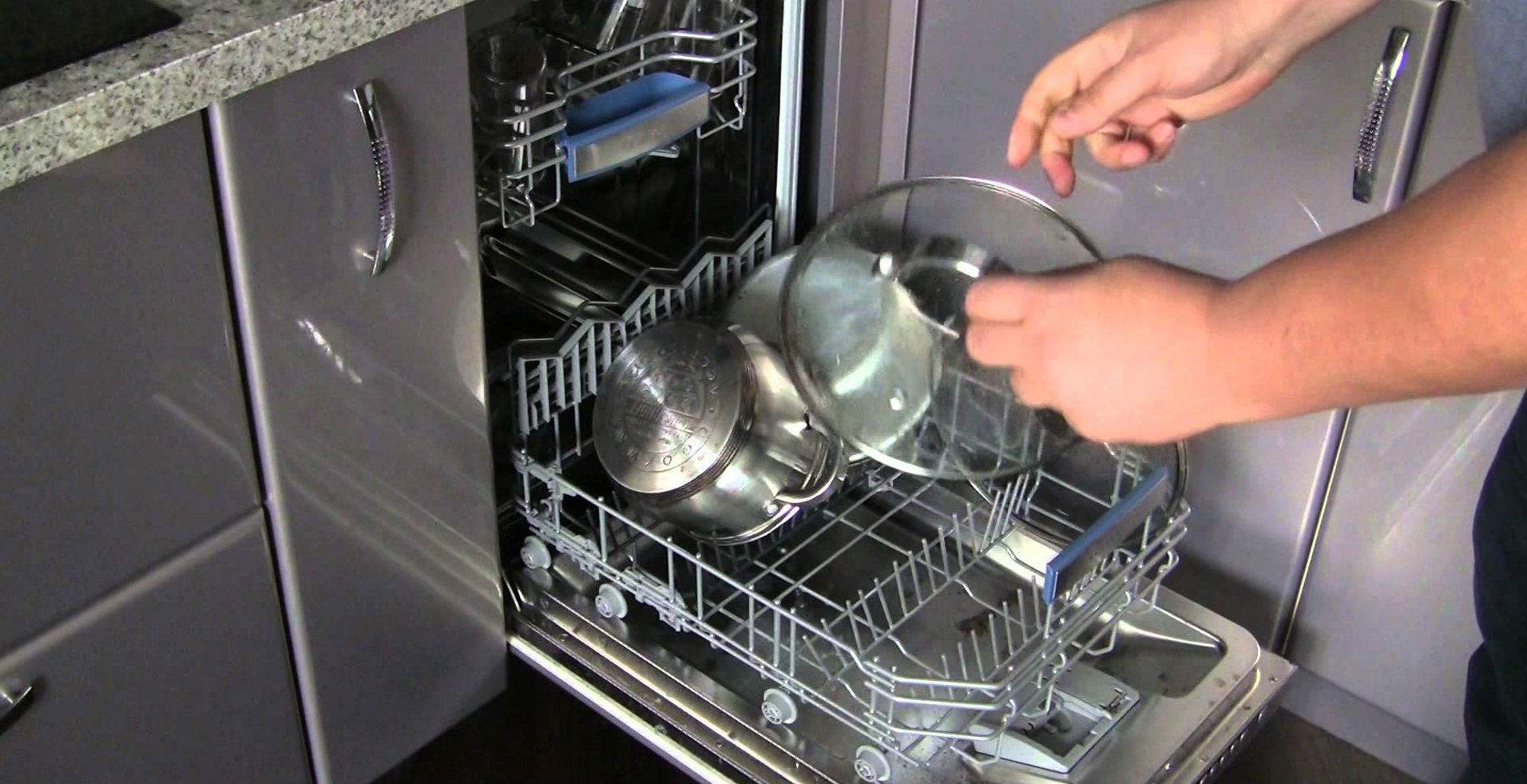
- Fill the bottom basket with large items first, then move on to small items and the top basket.
- Place plates, soup bowls and salad bowls with the inside facing the center.
- Large plates should be placed at the edge of the basket, and small ones closer to the center. Also, leave a gap between the cutlery, otherwise the water jets won't rinse them properly.
- Place glasses and goblets upside down in special holders so that water will drain off them.
- Fragile glassware should not touch the walls or other glassware, otherwise there is a high risk of breaking items made of delicate materials.
- Place forks, spoons, knives and other cutlery with the handles down so that water drains better.
- Do not wash heavily soiled items, such as pans and baking sheets, together with lightly soiled items.
- Place baking trays in the dishwasher on their sides and pots and pans upside down.
- Never overload the dishwasher. Dishes should not be stacked on top of each other, and water should be available to every single item.
By following these recommendations, your dishes will always be crystal clear after washing.
Launching the program
You've already realized that the most important thing when loading is to prevent a mountain of dishes from building up and blocking the spray arms. Before starting work, check once again that the dishes in the basket are placed correctly, there is a small gap everywhere, and the spray arms do not touch the dishes. After this, you can add detergent to the compartment and close the washing chamber door.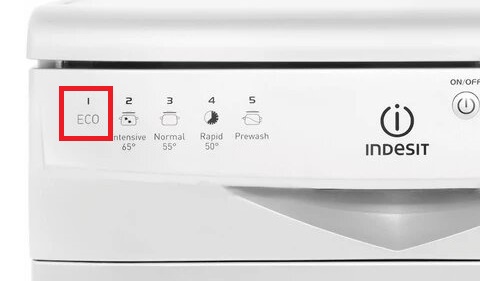
Now all that's left to do is turn on the dishwasher using the power button on the control panel. Select the desired mode, activate additional features if needed, and press the "Start" button. The dishwasher door will lock and the selected wash program will begin. Once the cycle is complete, remove all dishes and perform a series of maintenance procedures, which we'll cover in the next section.
Don't forget to take care of your dishwasher
Proper use of your dishwasher involves not only preparatory work before use but also post-wash maintenance. To ensure your appliance runs smoothly for years to come and always looks brand new, both inside and out, follow these basic operating instructions.
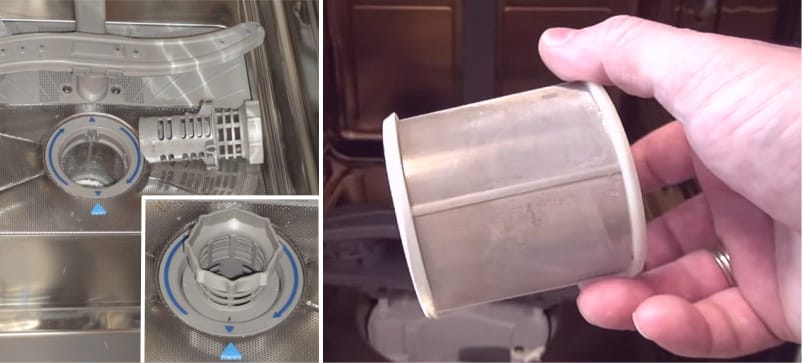
- After use, remove not only the dishes from the washing chamber but also the debris filter to rinse it under a powerful stream of water. The filter looks like a small mesh.
- Always carefully inspect the rubber seals around the chamber, as they often become stuck with food particles and other debris. After a cycle, wipe the seals with a damp cloth to remove any debris, then dry them with a dry cloth.
- A dry cloth is also needed to remove moisture from the walls of the washing chamber. In addition, after each wash, you should leave the door open to allow the machine to dry and air out. This action will also help to avoid the occurrence of an unpleasant odor from the dishwasher.
- It's not necessary to wipe down the outside of the machine after every cycle, but it's a good idea to wipe down the outside of the machine at least a few times a month to remove water droplets, dust, and grease from dirty dishes. It's much easier to do this regularly and spend a few minutes than to spend hours cleaning out ingrained grease and dirt.
- Finally, it's essential to have your dishwasher professionally cleaned once every three months. To do this, run a long wash cycle, but load it with a special grease and scale remover instead of dishes. This product thoroughly cleans all parts of the dishwasher, reaching even the most hard-to-reach places.
All of the steps described take ten minutes at most, and some only need to be performed a few times a month or even once a quarter. However, if you don't follow these steps, the dishwashing performance will decrease over time, and the machine itself may even fail.
Interesting:




Readers' comments
Headings
Washing machine repair




For buyers




For users


Dishwasher




Add a comment