
How to use a Leran dishwasher
 From the outside, it may seem like dishwashers are simple and intuitive devices, requiring no manual or expert advice to operate. While this is true, it can also lead to users missing out on the intricacies of operating a dishwasher, which can help them achieve perfect cleaning results and prolong the life of their appliance. We've written this article to help you quickly understand how to use your Leran dishwasher without reading the manual.
First "test" of the dishwasher
Don't load your brand-new "home helper" with a mountain of dishes right after purchase to try it out. The manufacturer's instructions recommend a test run, which involves selecting any operating mode and running the "home helper" without any dishes. What are the benefits of using your appliance without any dishes?
- The dishwasher is thoroughly cleaned of any dirt, dust, and oil residue that may have remained after factory assembly.
- You can check how well the machine works in general, and also whether it is properly connected to the water supply and drain.

If the test shows the device is working properly, then you can begin the real test of the unit's functionality by filling it with a mountain of dirty dishes. But even this must be done according to the rules. Before loading, be sure to fill the salt bin with water up to the lid, and then pour about a kilogram of salt granules into it.
If the salt solution spills out of the reservoir and floods the bottom of the washing chamber, it should be immediately wiped off with a dry cloth to prevent it from damaging the dishwasher's finish.
After adding salt, add detergent, which can be in gel, powder, or tablet form. Next comes dishwasher rinse aid. Finally, load the dishes into the racks, select a wash cycle, and start washing. Don't rush, though, as even arranging them requires special rules. If you don't follow them, you won't get clean dishes.
Filling the PMM with items
It may seem like loading dishes is a simple matter—just stack the cutlery neatly and that's it. However, if you arrange the dishes incorrectly, some items may be poorly cleaned or not cleaned at all. The instructions specify the proper placement for each piece of cutlery, so it's important to follow the instructions carefully. Otherwise, you might end up with a faulty dishwasher that's incapable of removing even light stains.
Most Leran dishwasher models feature two large baskets for dishes and one small basket for cutlery. The upper basket is typically used for items such as mugs, saucers, bowls, and other items. The lower basket is designed for the largest items, such as pans, pots and baking sheets.
In some dishwashers, you can manually adjust the height of the baskets or remove the vertical holders from the lower basket to optimize the space inside the washing chamber so that even the largest dishes fit inside.
A small tray is needed for small cutlery, such as forks, spoons, and small spatulas. Occasionally, a dishwasher may have a removable tray installed vertically. Even rarer are models with metal trays, which are intended for washing silverware. This additional option is usually available in premium "home helpers." But regardless of the type of appliance, the rules for arranging dishes are the same for all.
- It is necessary to pre-clean off any food particles, bones, napkins, etc. to prevent the dishwasher's waste filter from becoming clogged with debris.
- It's advisable to rinse dirty and greasy dishes with a strong stream of hot water before loading them into the dishwasher. This is especially important if your dishwasher doesn't have a pre-rinse or soak function.
- It is always best to place the largest items in the bottom rack first, then move on to the top rack and smaller items.
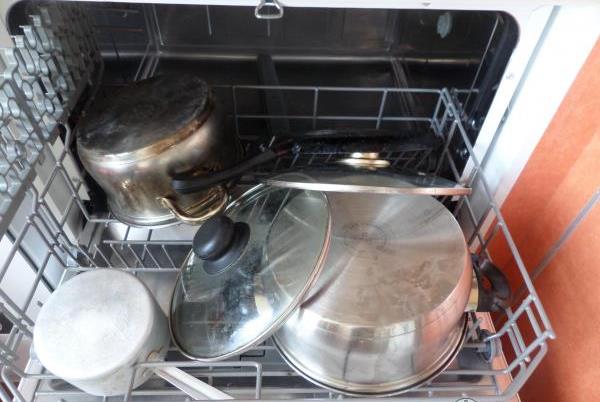
- Any plates should be placed with the inside facing the center.
- Large items, such as dishes, should be placed at the edges of the basket, while smaller items should be placed in the center of the basket.
- It is essential to leave a small gap between cutlery so that the dishes are washed thoroughly on all sides.
- Glasses, goblets and mugs should be placed upside down, otherwise water will remain in them.
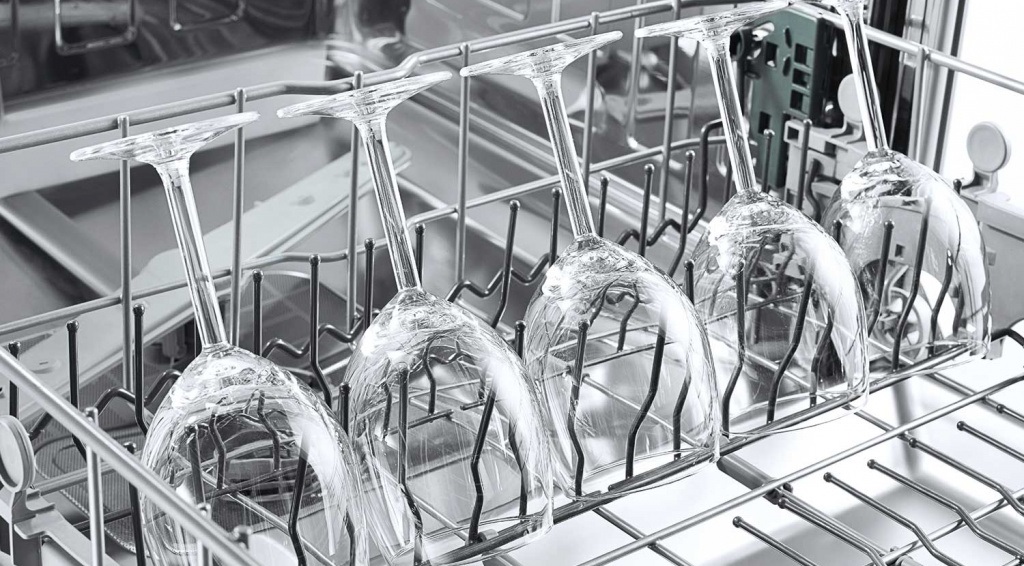
- Fragile glass or crystal glasses should not touch any other glassware.
- Place baking trays on their sides, and pots and glasses should also be placed upside down.
- It is better to place forks, spoons and knives with the handles down - this way the water will drain better.
- Separate dirty and lightly soiled dishes into two different cycles for better cleaning results.
- Avoid overloading your dishwasher with dishes. It's best to divide the pile of cutlery into two sinks, as this will ensure much better cleaning results.
Ultimately, the most important thing is to ensure that all the dishes are stable, there is free space between them, and that there are not too many cutlery inside the washing chamber.
Maintenance of equipment
To extend the life of your dishwasher, it must be used strictly according to the instructions. Following all the instructions is the key to successful operation of your appliance. Please note the following rules.
- After each work cycle, rinse the debris filter mesh installed at the bottom of the dishwasher’s washing chamber under a powerful stream of water.
- It's also a good idea to clean the rubber seals that line the chamber. Food is often trapped behind them, so remove any food particles and wipe the surfaces with a dry cloth.
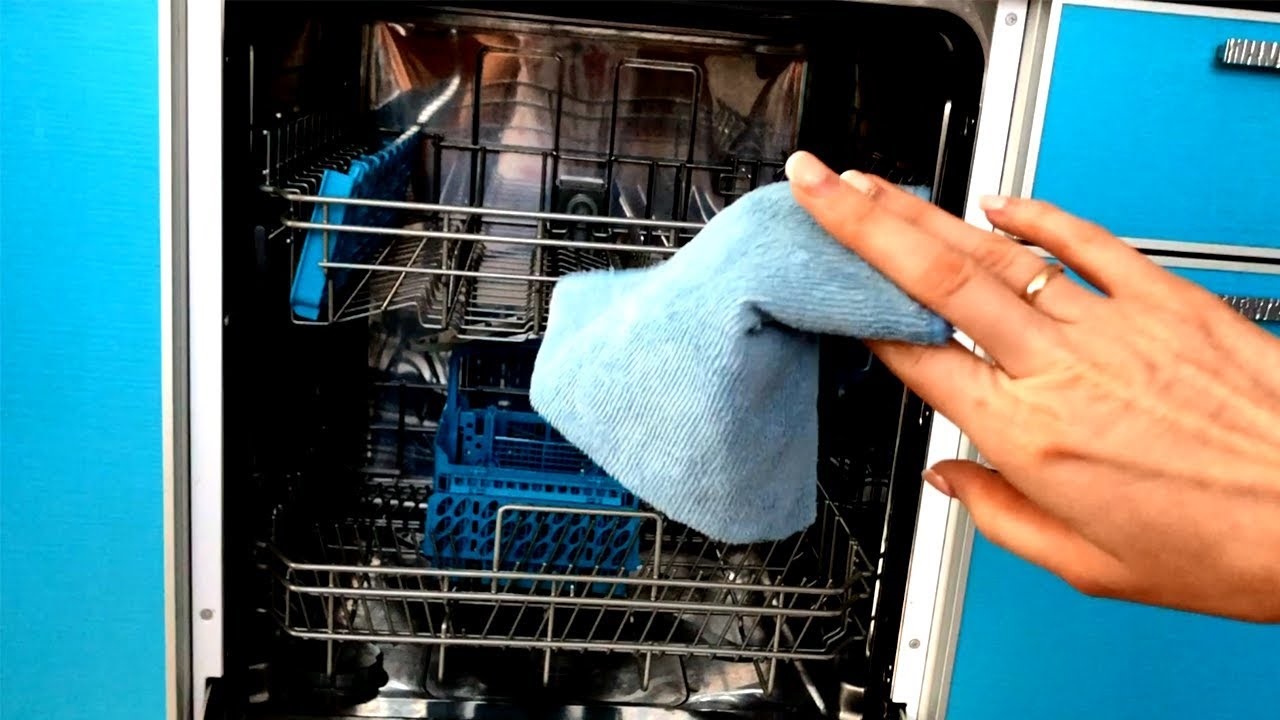
- The same applies to the walls of the chamber, which should also be treated with a dry cloth to remove any remaining moisture after washing.
- Never close the dishwasher door immediately after a working cycle, because it must be left slightly open to allow the appliance to dry from the inside and prevent an unpleasant odor from developing.
- Experts recommend purchasing a dishwasher cleaner once a quarter to clean it with powerful household chemicals. This will remove grease, dirt, and scale not only from key system components but also from hard-to-reach areas like hoses.
Don't forget that equipment needs to be washed not only from the inside, but also from the outside, so that it is always clean.
Following all of these recommendations will ensure your dishwasher operates at maximum efficiency and provides you with crystal-clear dishes.
Interesting:




Readers' comments
Headings
Washing machine repair




For buyers




For users


Dishwasher




Add a comment