
How to use a Siemens dishwasher
 The quality of dishwashing in a dishwasher depends on more than just the appliance's capabilities. The result is largely determined by the user's approach to the process. Knowing in advance how to properly load the dishwasher, what detergents to use, and which program to run will ensure the most effective cleaning results. Let's explore these nuances.
Initial inclusion and water quality
All information on how to use your Siemens dishwasher is included in the instructions. Therefore, after purchasing the appliance, be sure to read the included manual. It covers all the steps, from installation to first use.
Each Siemens dishwasher model has its own unique features, which are discussed in the user manual. If you bought a used dishwasher and lost the manual, all the information is easily found online. By following the manufacturer's recommendations, you can extend the life of the appliance.
It's best to entrust the dishwasher's connection to the utilities to a professional. Sometimes stores void the warranty if the dishwasher is installed by unprofessionals. A professional will properly connect the dishwasher to the water supply and sewer lines and level the appliance.
Select Siemens dishwasher models can be connected to the Home Connect mobile app for easy control.
Before using your dishwasher for the first time, be sure to set up the water softener. Water in most regions of Russia is hard, which negatively impacts the dishwasher's performance. To minimize this impact, use special salt.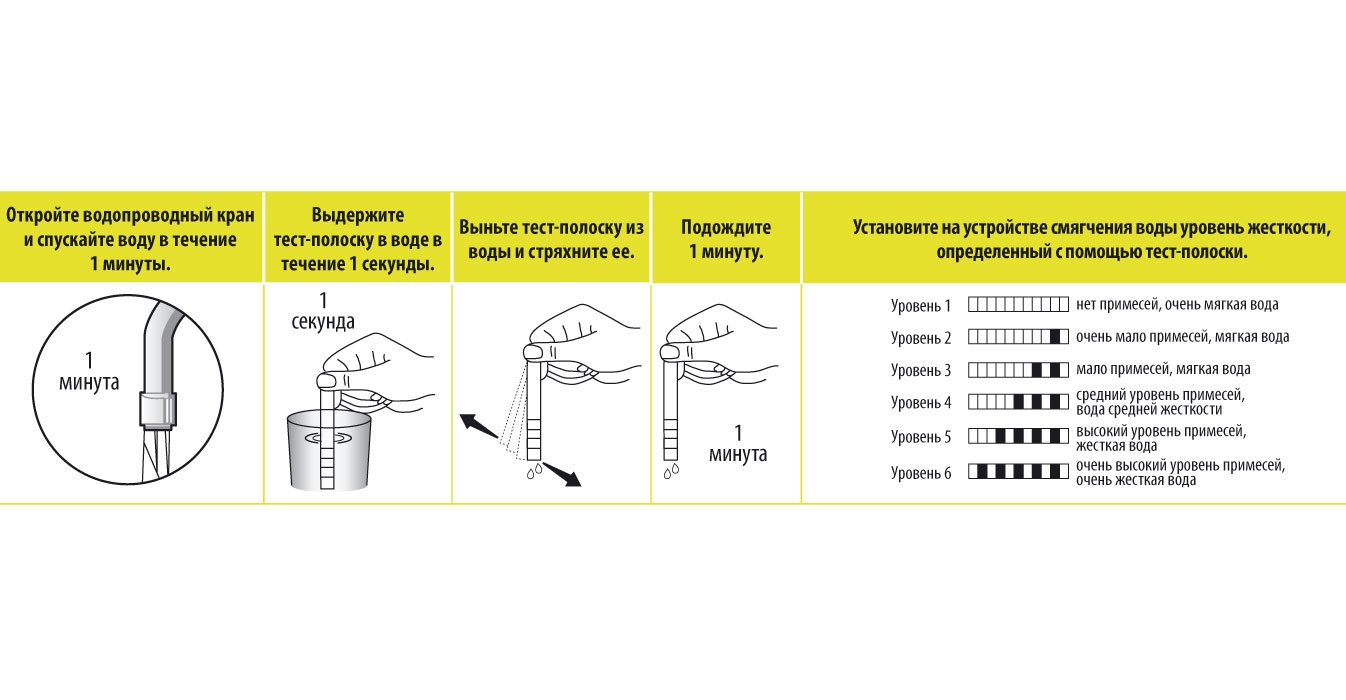
Siemens dishwashers come with a test strip to determine water hardness. If the reading is above the recommended level, the softener is adjusted to the required level. Before using the machine for the first time, dishwasher salt is poured into the container located at the bottom of the washing chamber.
Arrangement of objects inside the PMM
The washing results depend greatly on how correctly the dishes are loaded into the machine. There are specific recommendations for arranging plates, cups, forks, spoons, pots, and pans in the baskets. Failure to follow these guidelines will result in poor cycle performance. In this case, you have only yourself to blame, not the machine.
Modern Siemens dishwashers are equipped with an upper and lower basket, as well as a separate tray for forks/spoons/knives.
The top coriander is designed for small dishes:
- mugs;
- coffee cups;
- glasses;
- sauce boats;
- saucers;
- wine glasses.
Some Siemens models allow you to adjust the position of the upper basket. This is convenient when loading larger items at the bottom. Adjusting the height of the tray is very easy—simply slide it onto the other rails.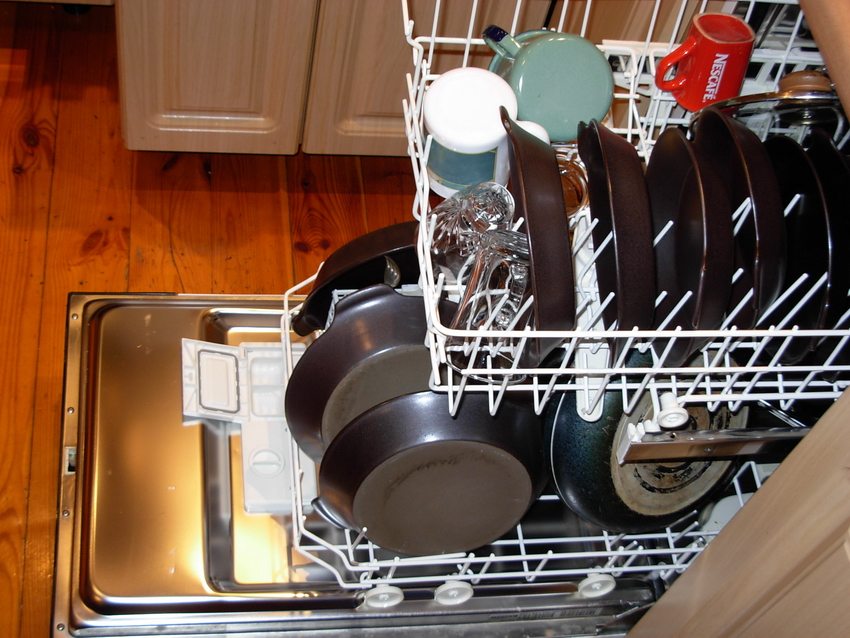
The following items need to be loaded into the bottom basket:
- serving plates;
- pots;
- saucepans;
- baking sheets;
- frying pans;
- lids and other large items.
Most Siemens models have lower trays equipped with fold-down holders. When raised, they help distribute cutlery evenly. If loading very large items, the holders can be folded down to create a level surface for larger dishes.
A separate small tray is designed for cutlery. It holds knives, forks, and spoons. Some Siemens models also include an additional aluminum basket for silverware.
Manufacturers, as well as experienced dishwasher users, offer some recommendations regarding loading dishes into their "home helper." Let's review the most valuable tips.
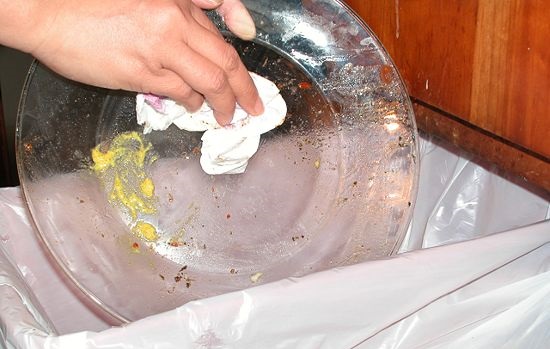
- Before loading dishes into the dishwasher, be sure to remove any food debris, fruit pits, or napkins. Remove any tea leaves or tea bags from mugs. This will prevent clogging of the dishwasher's drainage system.
- To improve cleaning results and reduce energy consumption, rinse particularly dirty, greasy, or burnt dishes with hot water before loading them into the dishwasher. This will help the dishwasher clean faster. This advice is especially helpful for dishwashers without a pre-soak program.
- Fill the bottom basket first, then the top basket, and then the cutlery tray.
- Plates should be placed with the inside facing the center of the basket. The larger the item, the closer it should be to the edge of the tray.
- When placing plates and saucers in holders, leave some space between them. If they're too close together, they won't be washed properly.
- Deep items (mugs, pots, salad bowls) are placed upside down to prevent water from collecting in them.
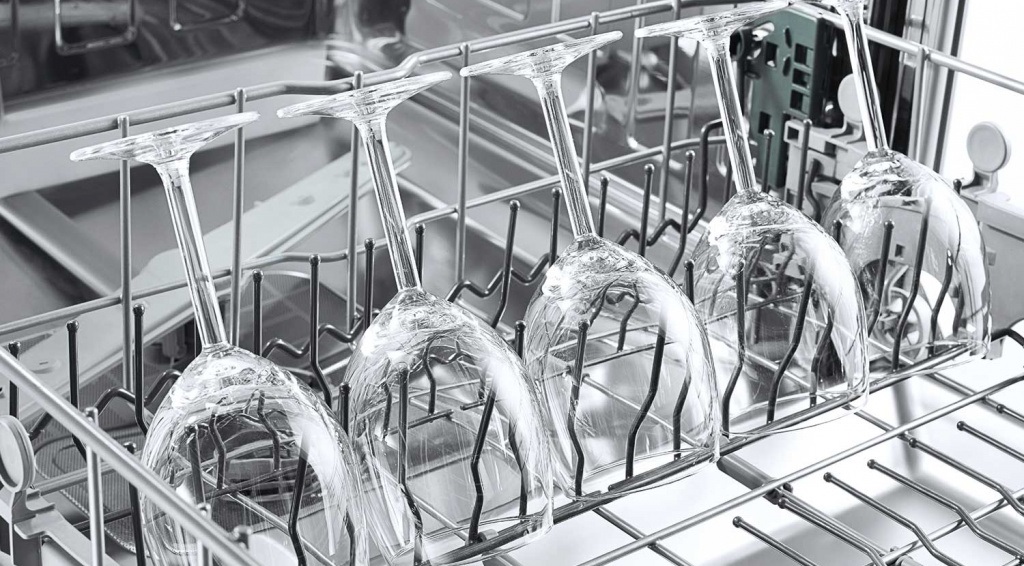
- It's important to place fragile glassware (crystal, thin glass goblets, etc.) so they don't touch. Otherwise, there's a risk of damage during washing.
- Spoons, forks, and knives should be placed in the tray with the handles facing down. This will help drain water better.
- Dishes with recesses should be placed at an angle to allow water to drain freely from the recesses.
- It is advisable to wash heavily soiled dishes (frying pans, baking sheets, burnt pots) separately from relatively clean plates and mugs.
- The baking trays should be placed sideways in the lower basket so that they do not obstruct the circulation of water in the chamber.
- Don't overload your dishwasher. Firstly, it's harmful to the appliance itself. Secondly, it increases energy consumption. Thirdly, it reduces the washing quality—the dishes remain dirty. It's better to run two cycles than to fill the machine to capacity.
- When loading dishes, make sure that they do not interfere with the rotation of the dishwasher's rocker arms.
It is important to remember that you cannot load the following items into the dishwasher:
- cutlery with wooden, porcelain and mother-of-pearl handles;
- products made of non-heat-resistant plastic;
- pewter and copper utensils;
- thin crystal;
- wooden utensils (cutting boards, mugs).
The cleaning results depend largely on proper arrangement of dishes. If you follow all the recommendations, you won't have any problems with cleaning quality. Another important consideration is the selection of detergents.
Detergent and rinse aid
Today, the market offers a huge variety of specialized dishwasher cleaning products. Choosing the right detergent can be a challenging task for dishwasher owners. Which brand to choose will depend on the user's capabilities and preferences.
There is one important nuance. Only special detergents can be used for dishwashers. Do not use hand dishwashing gels, liquid soap or similar products in the appliance.
Continuous use of "alternative" detergents will lead to machine failure. Excessive foaming will cause air pockets in the dishwasher's circulation pump, which will stop the water supply to the spray arms.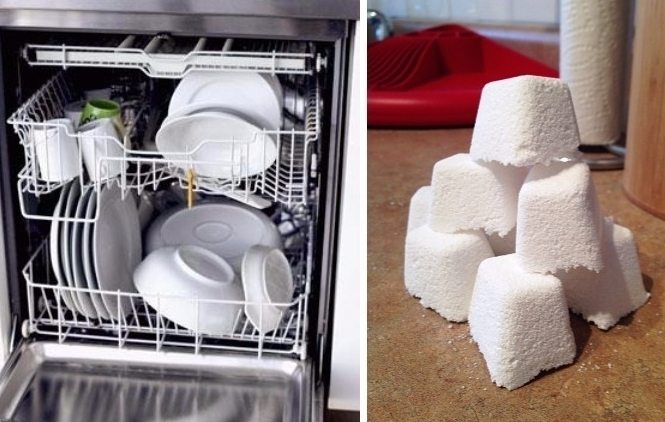
For washing dishes in a dishwasher, you can buy special tablets, powder, or gel. All three forms of detergent are approved for use in Siemens dishwashers. Each option has its own advantages and disadvantages.
The tablets are very easy to dose. One capsule is needed for a full load. They also have a score line for breaking them apart, in case the dishwasher is short on dishes.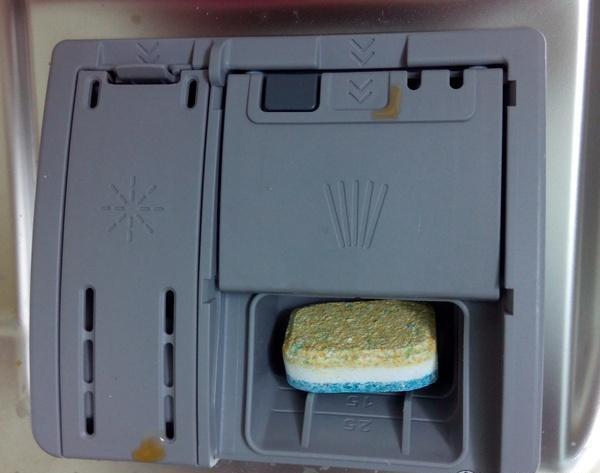
Tablets are not recommended for short cycles. They simply don't have time to dissolve. Another drawback is their higher cost compared to powder or gel.
You can find 3-in-1 and 5-in-1 dishwasher tablets on sale.
Each layer of the multifunctional tablet performs its own functions:
- the first one ensures high-quality dishwashing;
- the second one functions as a rinse aid;
- the third one softens the water;
- the fourth one cleans the “insides” of the dishwasher from fatty deposits;
- fifth – gives shine to stainless steel.
If your tap water is too hard, the amount of salt in the tablets won't be enough, and you'll still need to add more granules. Many users, however, find that using each supplement individually is more convenient, and there's no point in overpaying for multi-functional capsules.
As for the powder, it's dispensed using a measuring spoon. With a half-load, the dispenser easily accommodates half the amount of granules. It's suitable for use on short programs. It's cheaper than tablets, but storage isn't as convenient as capsules.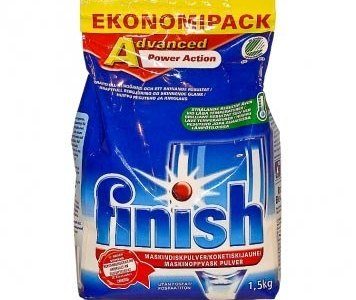
In addition to detergent, it's essential to use rinse aid. It creates an invisible, thin protective film on dishes, prevents streaks, and ensures faster drying.
This rinse aid prevents stains on crystal and glassware. It's inexpensive and can be poured into a separate compartment next to the detergent dispenser.
To maintain your dishwasher, you need a special cleaner. It's recommended to use it every 2-3 months. Typically, the packaging is for one use. Consider products from brands like Finish, Somat, and Lotta.
Which washing program should I choose?
The first time you run the dishwasher without any dishes in the chamber, use the intensive cycle. This test cycle is necessary to clean the inside of the machine of any factory-applied dirt. Also, while the cycle is running, observe the dishwasher for leaks and how well it heats the water.
The software suite varies across different Siemens models. A description of all algorithms is available in the equipment manual. It is necessary to select a mode that is suitable for the type of dishes and the degree of their contamination.
- Soak. This program is designed for burnt-on pans and pots, as well as dishes that have been sitting in the sink for a long time and have become "dried out." The machine will soak off all dried-on dirt and then proceed to the main cycle.
- Intensive. This program is designed for cleaning heavily soiled items (pans, pots, baking sheets). It includes two stages: pre-wash and main wash. The water temperature reaches 80 degrees Celsius. This cycle saves neither water nor power, so it should only be used in difficult situations.
- Standard. This cycle is designed for cleaning dishes with a moderate degree of soiling. It is also suitable for washing "fresh" pots and pans. The cycle temperature is between 60-65°C. The program duration is approximately one and a half hours.
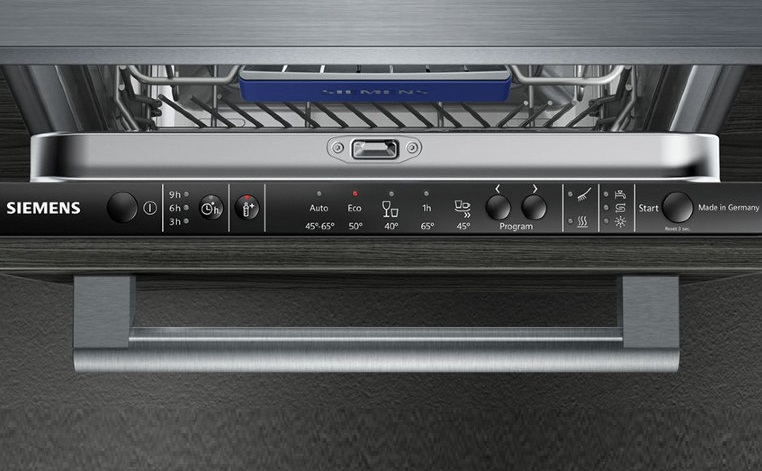
- ECO. A mode chosen by thrifty housewives. This program uses minimal energy. The water is heated to 50-55 degrees Celsius. The cycle lasts approximately 2.5 hours.
- Half Load. Another economical mode. Suitable for everyday use when there isn't a lot of dishes to wash. This program is characterized by reduced water and energy consumption, and a short washing time.
- Quick wash. The express mode is designed for lightly soiled dishes. The water is heated to 55 degrees Celsius, and the cycle lasts approximately 50 minutes. Not suitable for cleaning pots and pans.
- Delicate. This program is designed for delicate dishes that require gentle cleaning. Suitable for washing porcelain, crystal, and delicate glassware. The water is heated to 40-45 degrees Celsius. Keep in mind that a "bath" in cool water will not remove stubborn stains, so this program is only suitable for "semi-clean" items.
To start the wash, plug the machine into a power outlet. A dedicated button selects the washing mode. Once you've selected the desired program, press the "Start" button.
On some Siemens models, additional functions can be connected to the main program:
- "Saving time";
- "Hygienic washing";
- "Drying";
- "Delayed start" and others.
Siemens dishwashers cannot change the program once the cycle has started. You can only force the machine to shut off and then reselect the desired mode. The dishwasher will notify you when the cycle is complete with an audible signal and a flashing indicator light.
Interesting:




Readers' comments
Headings
Washing machine repair




For buyers




For users


Dishwasher




Add a comment