
How to use a Hisense washing machine
 Users who follow all the operating instructions for their Hisense washing machine automatically extend its lifespan. If the machine is not overloaded, cleaned regularly, and not overheated, it will serve faithfully for many years. Most breakdowns occur due to owner carelessness.
Therefore, before using your Hisense washing machine, carefully read the instructions for the appliance. They will explain how to properly install and connect the machine, as well as how to start it up for the first time. Proper operation is the key to a long life for your washing machine.
What to do before the first wash cycle?
Your new washing machine has arrived from the store. What's next? First, if it's cold outside, be sure to let it sit at room temperature for a couple of hours. During this time, it's a good idea to read the instructions included with your washing machine.
The instructions describe how to connect your Hisense automatic washing machine to the house's utilities, level the body, perform the first start-up, and more.
The next important step is removing the shipping bolts. These are designed to secure the drum. This prevents the drum from dangling within the housing or hitting other internal components of the washing machine during transport.
The fasteners are hidden behind the rear panel of the housing. After removing them, small holes will remain, which must be closed with the plugs included with the washing machine. Do not operate the washing machine without the transport bolts removed, as this may damage the equipment.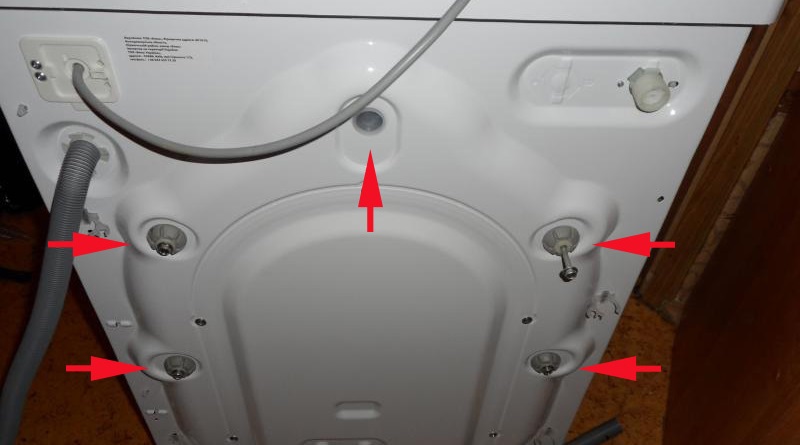
Then you can connect the machine to the water supply and sewer system and level it. Pay special attention to the placement of the drain hose. It should be curved, and the connection point to the pipe or trap should be at least 50 cm above the floor. All these details are described in the instructions.
Now the washing machine is ready for its first use. A test cycle is performed without laundry in the drum, but with detergent. This ensures that all factory dirt is washed out of the washing machine without staining the laundry.
Test cycle launch algorithm:
- open the water supply valve;
- connect the washing machine to the power supply;
- pour powder or washing gel into the tray;
- check that the drum is empty;
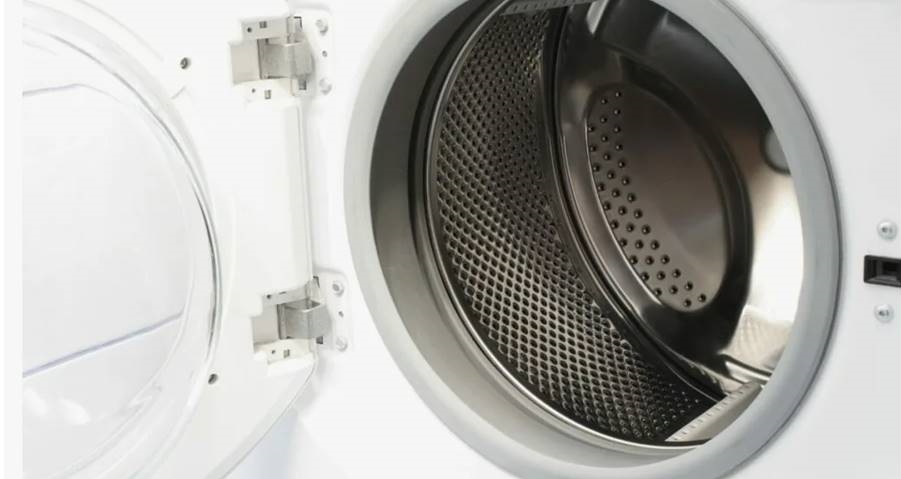
- close the hatch door tightly;
- select the quick wash mode, setting the cycle temperature to at least 40 degrees;
- start the machine.
During the test cycle, monitor the washing machine. Make sure it fills and drains smoothly and there are no leaks. If the initial run is successful, you can use the washing machine as usual.
Getting ready for regular washing
You always want to get your new washing machine into operation as quickly as possible. However, you can only start washing clothes after a blank cycle. So, there's no need to rush.
How does a regular wash cycle work? First, you need to sort your laundry. By what criteria?
- By fabric type (cotton, synthetics, blended materials, delicate wool, silk, durable denim).
- By color (bright, light and dark items are always washed separately).
- By size (it is better to load small and large items into the washing machine at the same time so that they are evenly distributed in the drum).
Small items such as stockings, tights, thongs, and underwear are recommended to be washed in special fabric bags. This also applies to items with hooks or sharp decorative elements. This will protect not only the rest of the clothes in the drum but also the machine itself.
Things need to be prepared for washing:
- make sure there is nothing in your pockets;
- fasten all zippers, buttons, and snaps;
- turn things inside out;
- If there are stubborn stains on clothing, pre-treat them with a special product.
Stains such as blood, grease, makeup, berries, grass, and wine are considered difficult to remove. Each type of stain has its own specific treatment. Simply throwing these items in the washing machine may not remove them, so pre-treatment is necessary.
Once you've sorted and prepared your items, you can load them into the washing machine. Here's how it works:
- open the washing machine door;
- Load items into the drum one at a time, distributing them evenly inside;
- Close the washing machine door tightly.
It is important to adhere to the maximum permissible loading weight established by the manufacturer.
Overloading can lead to machine failure. Constantly exceeding the maximum permissible weight will accelerate wear on the bearing assembly and damage the drum spider. The motor will operate at its limit, potentially causing damage.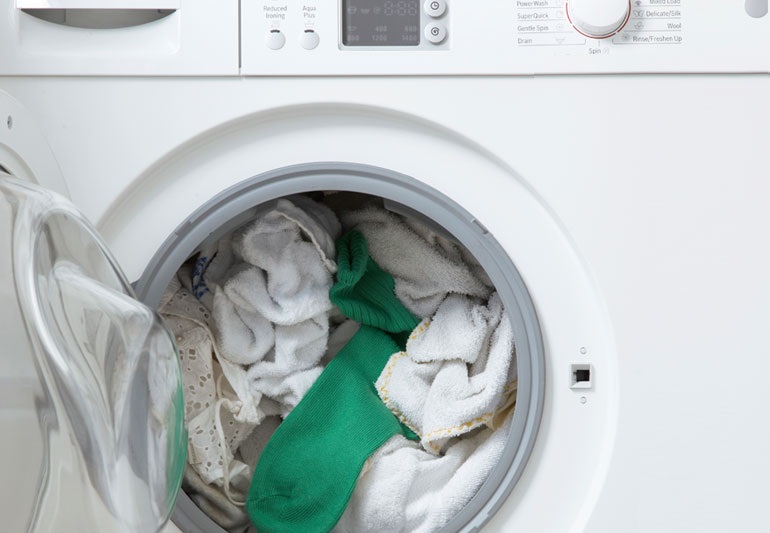
Now it's time to add detergent. It is important to choose household chemicals that are specifically designed for automatic washing machines. This can be powder, gel, tablets, or laundry detergent capsules. If desired, you can also use fabric softener, stain remover, or bleach.
It's important to follow the detergent dosage indicated on the packaging. Adding too much detergent will leave white streaks on your clothes. It also increases foaming, which is harmful to your washing machine.
If you use too much detergent, even double rinsing won't help. Powder particles will still remain in the fabric fibers. Household chemicals can cause skin irritation or allergies.
If you don't use enough detergent, stains won't be completely removed. Therefore, carefully read the instructions on the detergent packaging. The dosage will depend on:
- degree of contamination of linen;
- loading volume;
- water hardness (the softer the water, the less detergent you will need).
For example, for a half-load, you'll need to add 3/4 of the amount indicated for a full wash. When washing just a few items, 1/2 of the amount stated on the detergent packaging will suffice.
Where should I deposit funds?
The detergent drawer in Hisense washing machines has three compartments. Each compartment is marked with a corresponding symbol. The instructions for the machine explain which compartment is used for what.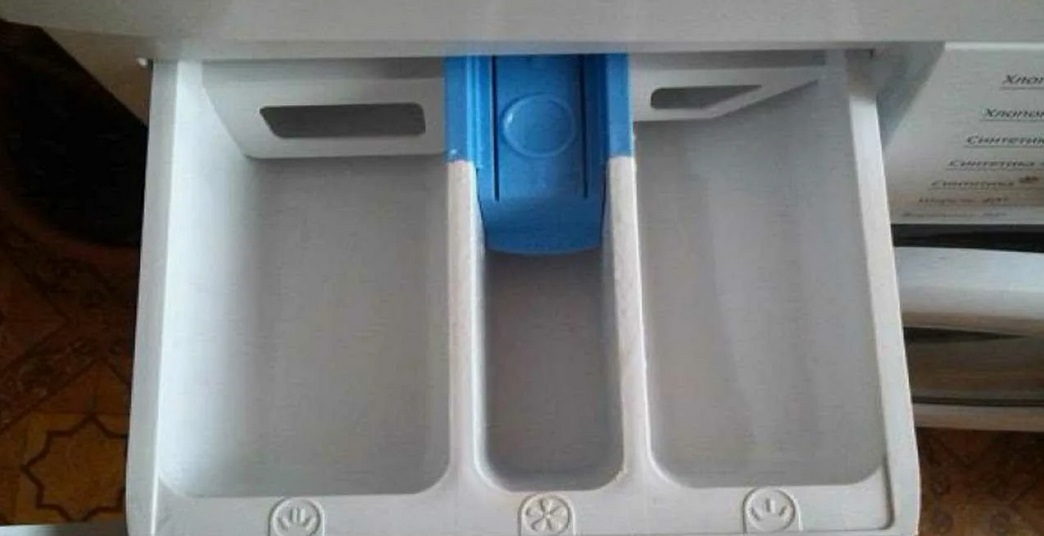
The largest compartment, marked "II," is where you add detergent for the main wash. This can be granules or gel. If you're using capsules or tablets, place them directly into the drum.
If you plan to wash with a delayed start, you need to use powder; liquid detergent will flow down the pipes to the clothes and can damage the fabric.
The dispenser also has a pre-wash tray. This is the smaller, outer compartment, marked with the Roman numeral "I." Powder is added here only when running programs that include a soaking stage.
The small compartment in the middle, marked with a flower symbol, holds the conditioner. The conditioner is dispensed during the rinse cycle. Pour the conditioner exactly up to the "Max" mark, no more.
If using stain remover or bleach, add it to the pre-wash or main wash compartments along with the detergent. You can also add the products directly to the drum.
Household chemicals should be stored in tightly sealed containers, in a dry place, and out of reach of children. Especially capsules and tablets for laundry detergent—they look very bright, so they attract little ones' attention.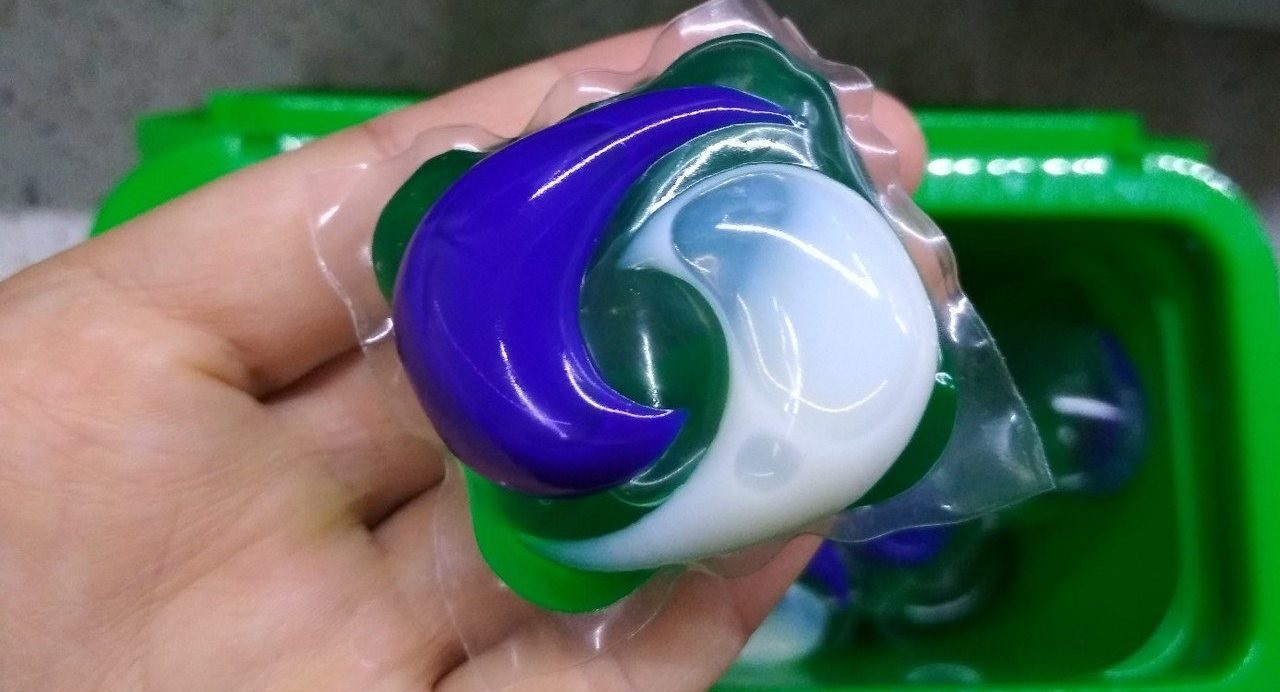
Housewives should also have household cleaning products for their washing machines. These are special products to combat limescale and scale deposits. They are used every 3-4 months as a preventative measure, by running an empty cycle with no laundry in the drum.
Programs and their features
One of the important steps is choosing a mode. In the memory of automatic machines Hisense many programs and additional options for caring for different types of fabrics. The algorithm should be selected based on the type of product, the intensity of contamination, and the strength of the material.
A detailed description of each washing mode is available in the instructions for the electrical appliance.
The software will vary slightly depending on the washing machine model. However, most of the modes on Hisense washing machines are similar. Let's discuss the basic algorithms.
- Baby clothes. This program effectively removes bacteria from fabrics. Standard washing temperature is 95°C, but a lower temperature can be adjusted. Includes a pre-wash stage. The spin speed is the maximum speed supported by the specific Hisense model.
- Shirts. A special cycle for cotton, linen, synthetic, or blended blouses and shirts. The temperature can be adjusted from 20 to 60 degrees Celsius. The spin cycle is more gentle, and there is no soaking step.
- Dark Items. The program's name speaks for itself. Designed for easy-care textiles in black, blue, and brown. The water is heated to a temperature of 20 to 60 degrees Celsius.
- Sportswear. A special care routine for workout gear. Suitable for washing cotton, microfiber, and membrane fabrics.
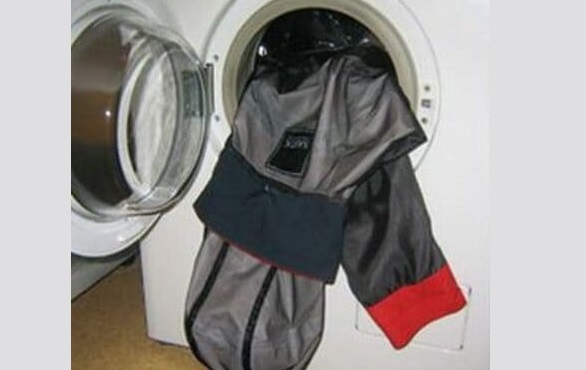
- Down items. A separate program for down-filled items. The drum can accommodate duvets, pillows, and outerwear. Wash in water heated to 40°C. Spin at minimum speed.
- Silk/Delicates. This cycle is designed for delicate fabrics. The drum rotates very smoothly when the program starts, and the spin cycle is performed at minimum speed. Water temperature is 20°C or 40°C.
- Drum Clean. A special program for washing machine maintenance. Run without any items in the drum. This cycle cleans the insides of the washing machine. Water is heated to 95°C.
- Cotton. Colored cotton. Standard cycle for durable cotton and linen items. The degree of soiling can range from "lightly" to "heavily." The water temperature can be adjusted from 20°C to 95°C; the default setting is 60°C. Spinning occurs at maximum speed; the drum speed can be reduced if necessary.
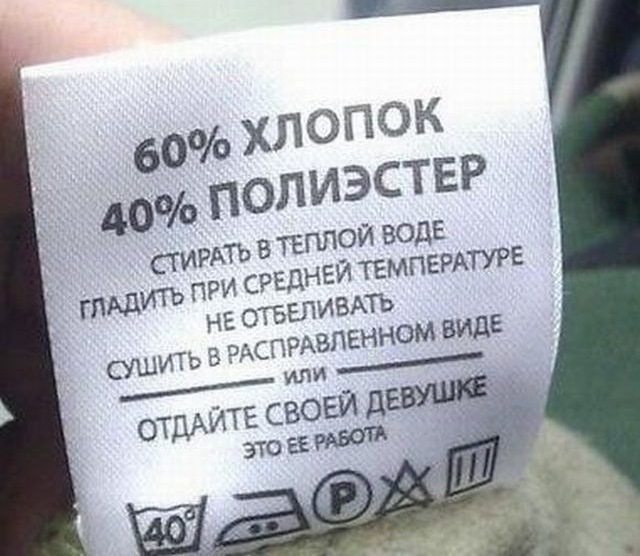
- Synthetics. Care algorithm for synthetic items. Also suitable for washing lightly soiled cotton fabrics. Temperature range: 20°C to 60°C.
- Mixed Fabrics. This program allows you to wash both cotton and synthetics together. Fabrics range from lightly to moderately soiled. The water in the drum heats up to a maximum of 40°C, but you can also lower the temperature to 20°C. This short cycle is most often used for everyday use.
- Wool. Care instructions for machine-washable wool items. Another gentle cycle. Wash items in cool water, spin at minimum speed.
- Quick 15. Express mode, better suited for refreshing clothes. Not suitable for heavily soiled items. Temperature settings are 20°C or 40°C.
Hisense washing machines also feature a "Rinse + Spin" program. This program simply fills the machine with water, circulates the laundry several times, and spins it. No detergent is used, only fabric softener poured into the central compartment of the detergent dispenser.
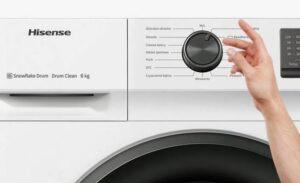
The program is selected using the rotary switch. Cycle settings are adjusted using the corresponding buttons. Additional options can be added to the basic mode if desired.
The range of additional options varies depending on the Hisense washing machine model. Standard features include a delayed start, extra rinse, easy iron, and child lock. These features are activated using the corresponding buttons.
Interesting:


Readers' comments
Headings
Washing machine repair




For buyers




For users


Dishwasher




Add a comment