
How to use a top loading washing machine?
 Front-loading washing machine fans might find using a top-loading washing machine challenging at first. This shouldn't be a problem—the controls are intuitive, and the washing process is the same as with front-loading machines. However, you'll need to get used to some of the features of top-loading machines. Let's explore the differences between top-loading machines and how to use them correctly. We'll also explore the pros and cons of top-loading machines.
Washing start algorithm
To wash clothes in a top-loading washing machine, you follow the standard washing steps: open the drum, load the items, add detergent, lock the door, and start the cycle. However, this process is different from a front-loading machine due to the unique design of the machine.
The differences from the front-facing model are noticeable as soon as the top lid is lifted. Here, the drum isn't exposed, but rather "hidden" behind the doors. To load things into the cylinder, you must first press the special lock and open the doors.
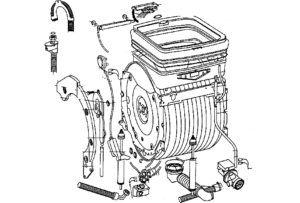
The second issue concerns the drum rotation. In vertical machines, manually rotating the cylinder is not recommended, especially with force. Excessive pressure will cause the drum to break free from its stop, flip upside down, and catch its open flaps on the internal components of the washing machine. To correct this, you'll need to call a technician and disassemble the machine.
The rules for loading laundry are familiar to all users of the machine:
- sort linen by fabric type and color;
- be guided by the machine loading standards;
- check the pockets of things;
- fasten zippers and buttons;
- Place delicate and decorated items in protective bags.

Next, close the drum: close the flaps until they click into place and ensure the latch engages the groove. It's best to double-check the engagement several times. Running the machine with the drum open is prohibited—it's dangerous!
In vertical washing machines, the powder drawer is built into the top cover of the machine!
The next step is adding detergent. The detergent dispenser on vertical machines looks different: it's larger and built into the top lid. Add detergent strictly according to the instructions:
- the large middle compartment contains the detergent for the main wash;
- powder is added to the compartment on the left marked “I” when soaking laundry;
- Conditioner or another liquid additional product is poured into the tray on the right.
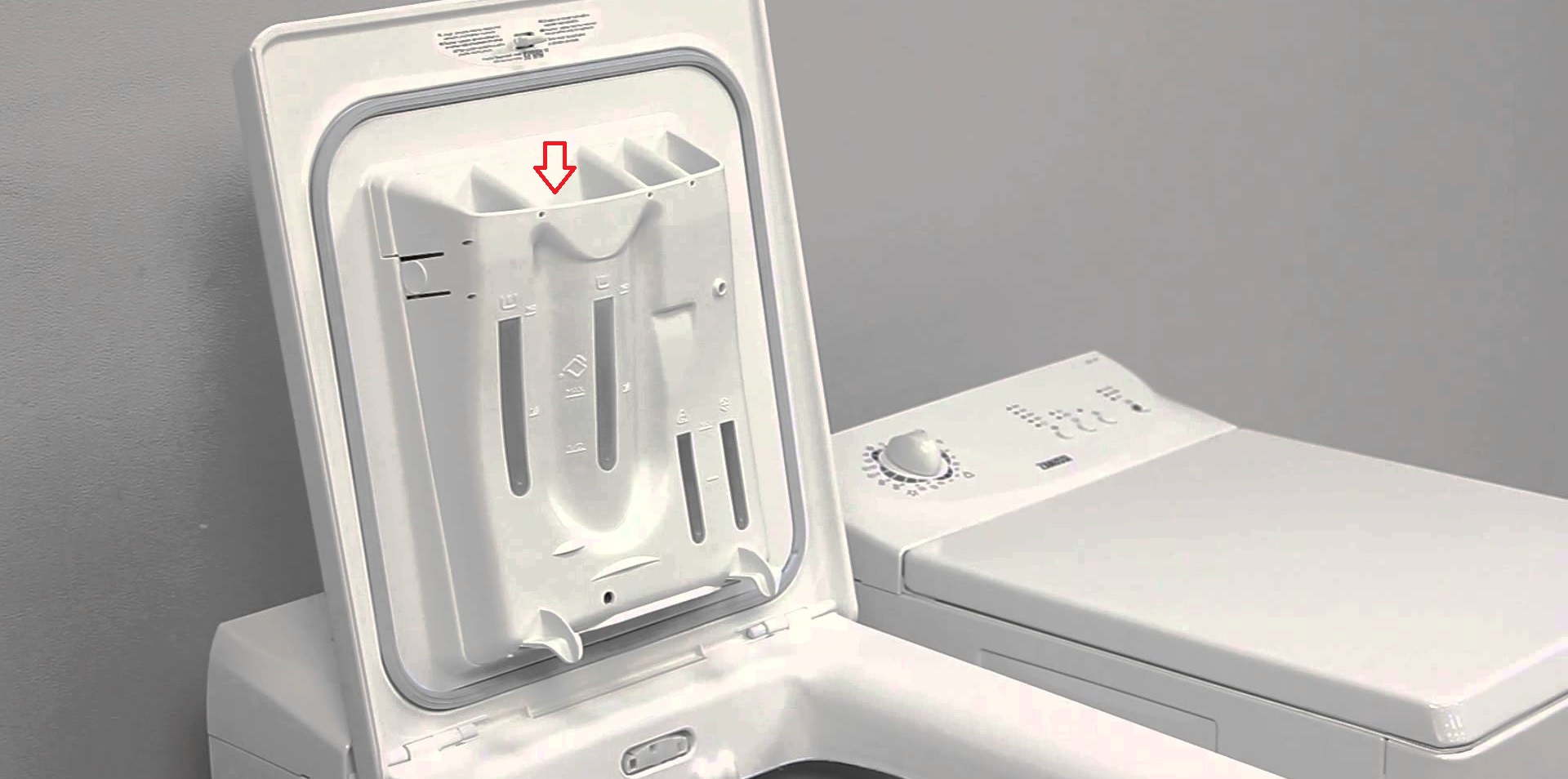
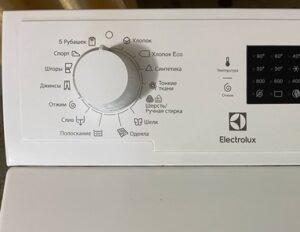
Once the detergent drawer is filled, close the lid. Now you can plug the machine in and open the water tap. Next, press the power button, and use the programmer to select the appropriate wash cycle. If you're having trouble selecting a cycle, it's best to consult the machine's manual for a description. If necessary, the factory settings can be adjusted and additional options can be activated.
Once the washing machine is ready, you can start it. Simply press the "Start/Stop" button and wait for the water to fill. If there is no start button on the control panel, the cycle will begin automatically after you select a program.
Pros and cons of verticals
You quickly get used to the features of top-loading washing machines—after just 3-5 washes, everything is done automatically. Over time, you also begin to appreciate the advantages of this type of machine. Top-loading washing machines differ from front-loading ones in a number of impressive advantages. Let's look at some of them.
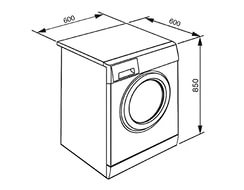
- Compactness. Vertical washers are smaller in width and depth than front-mounted models. Their compact size makes them easy to fit in small bathrooms. Another convenience is that there's no need to provide easy access to the front wall—the drum opens from the top.
- Aesthetics. Compact models are virtually invisible in interiors, as they don't draw unnecessary attention to themselves.
- Capacity. Upright washing machines hold more laundry than a similarly sized front-loading machine.
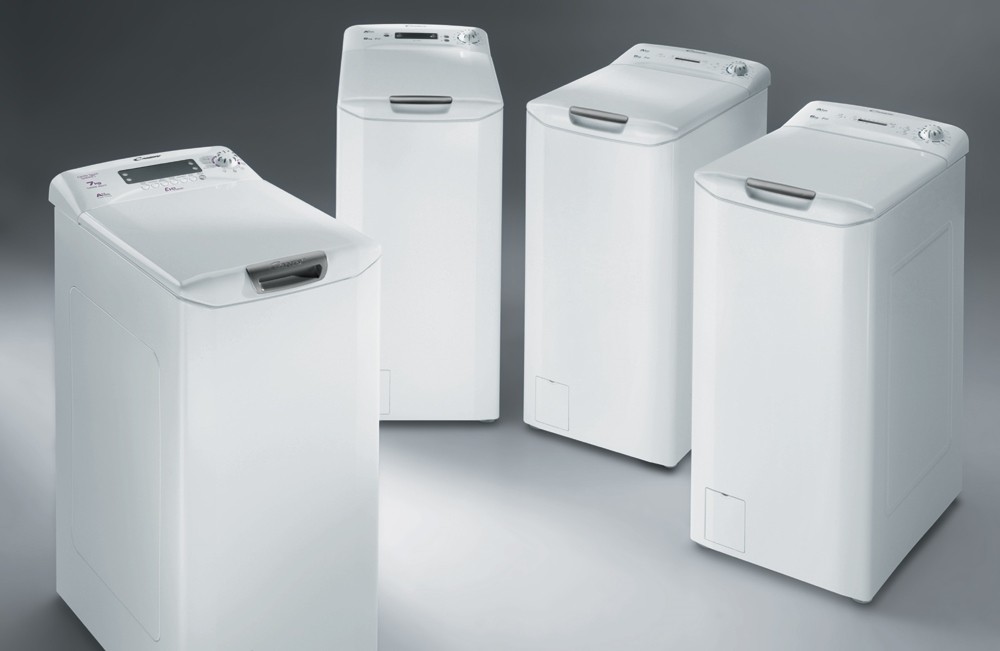
- Quiet operation. Top-loading machines weigh less, so they wash extremely quietly. The vertical design reduces vibration and noise: it's more stable and better absorbs the resulting centrifugal force.
- Additional laundry loading capability. The cycle can be stopped at any time: simply stop the program and lift the top lid. When opening the lid, there's no need to wait for the water to drain—it remains in the drum. Simply add the laundry and continue washing.
- Convenience. Loading the drum vertically is easier and more comfortable: there's no need to bend over or squat.
- Quick diagnostics. To assess the condition of the hatch seal or drum, simply look down.
- Safety. The dashboard on these devices is located on top. Small children will have difficulty reaching the buttons. This also reduces the risk of accidentally touching the programmer and keys.
- Reliability. Vertical machines are distinguished by their resistance to imbalance. Even if the drum is unbalanced, damage is minimal: the bearings firmly “hold” the cylinder and do not allow it to deform.
Top-loading washing machines do have their drawbacks, though. First and foremost, price: top-loading machines are more expensive than front-loading ones, often by 20-30%. If you save money and buy a budget model, you might miss out on the useful "drum parking" feature. With this feature, the drum automatically stops with the doors facing upward, making loading laundry easier and safer. Without it, you'll have to manually rotate the drum.
Vertical washing machines with the "Drum Parking" function rotate the drum upwards at the end of the cycle for convenient unloading of laundry.
The disadvantages also include the limited “use” of the technology. The vertical rack cannot be built into a kitchen unit or have any objects placed on its top cover. However, the last drawback is controversial - manufacturers do not recommend placing anything on washing machines, regardless of the type of load.
Interesting:

Readers' comments
Headings
Washing machine repair




For buyers




For users


Dishwasher




Add a comment