
How to use a Weissgauff washing machine
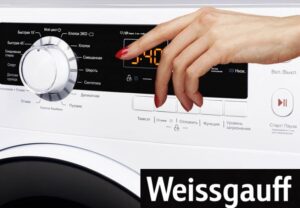 The new Weissgauff washing machine has finally arrived home. I'm eager to try it out, but there's no rush. It's important to prepare for the first use of the washing machine.
Let's figure out how to use a Weissgauff washing machine. How should you care for it? What rules should you follow to maximize the lifespan of your "home helper?"
First, we organize the washing of the device
While the washing machine is resting at room temperature, don't waste time; instead, read the operating instructions supplied with the machine. The user manual describes all the details: how to install and connect the machine, what programs are in the washing machine's memory, and how to properly start the device for the first time. The booklet is the main source of information about a specific Weissgauff model.
It's important to consider where the washing machine will be located in advance. It should be located close to the water and sewer connections. A power outlet is also necessary, as the washing machine's power cord is typically 1.5 meters long.
You cannot connect the washing machine through an extension cord – it is unsafe.
The floor beneath the washing machine must be level and sturdy. Ideally, the washing machine should be placed on tile or concrete. Wooden floors will require additional reinforcement.
Be sure to remove the transport bolts from the washing machine. They are used to secure the drum to prevent it from hitting other parts during transport. Running the machine without these bolts removed is strictly prohibited.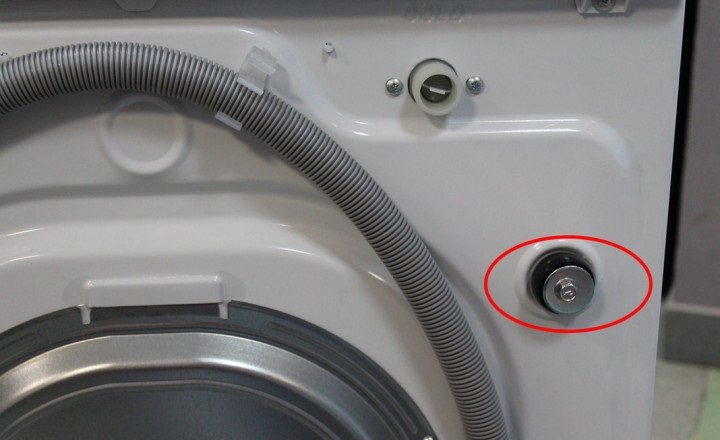
Once the machine is installed and connected, begin leveling the frame. It's a good idea to place an anti-vibration mat under the machine's feet. This will help keep the machine running quieter.
Once finished, don't rush into washing your clothes. The first time you run your washing machine, do so empty—without laundry in the drum, but with detergent. It's advisable to use a special cleaner. This cycle will clean the inside of the washing machine, removing any factory dust and dirt.
We collect things for washing
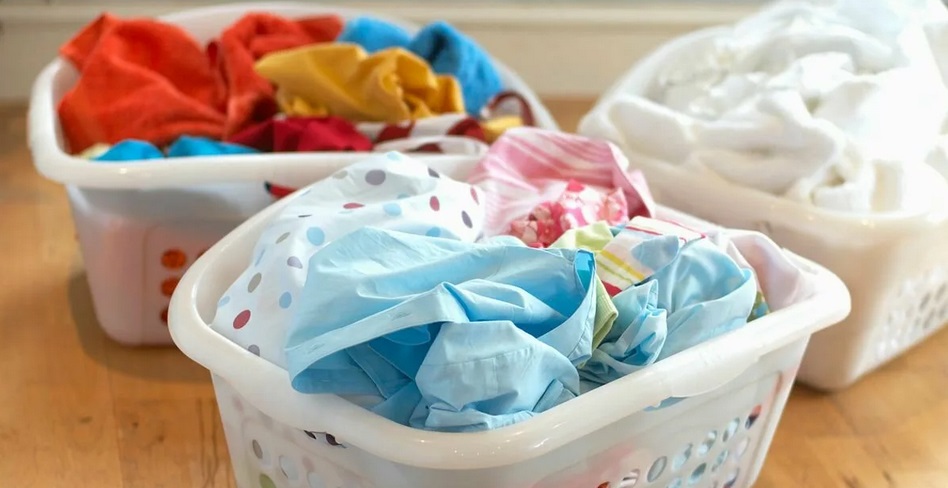
Sorting dirty laundry is an important step. The washing results depend greatly on it. Here are some criteria for sorting laundry:
- color;
- textile;
- degree of pollution.
Be sure to check pockets—there shouldn't be anything left in them. It's best to turn items inside out, and fasten any zippers, buttons, and rivets. Check that all prepared clothing is machine washable—this information is included on the garment label.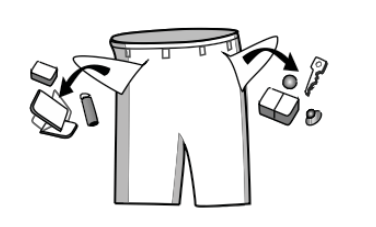
If your laundry contains stubborn, difficult-to-remove stains, it's best to pre-treat it with a stain remover. Apply the product according to the instructions, leave it for 15-20 minutes, then throw the items in the washing machine.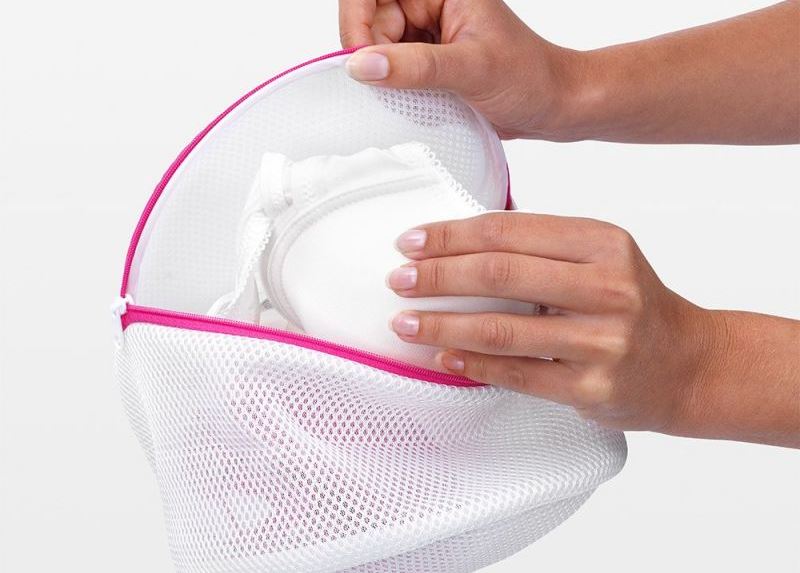
Small items, including underwear and shoes, are best washed in special bags. When washing down-filled clothing, it's recommended to add a few balls to the drum to prevent the filling from clumping.
It is important not to exceed the maximum loading weight of the washing machine set by the manufacturer.
Avoid loading either too many or too few items into the drum. Each program has its own maximum and minimum load weight. Otherwise, the wash may end up unbalanced. Failure to follow the recommended load weight can also cause problems with the bearing assembly and shock absorbers.
Which program should I use?
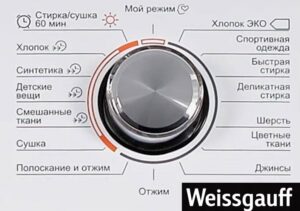
The next step is choosing the right program. A description of each washing mode is provided in the instructions for the automatic machine. Weissgauff. It also describes all the additional options that can be connected to the main algorithm.
The software will vary depending on the Weissgauff model. However, the basic modes are present on all machines. Standard algorithms include:
- “Cotton” – suitable for washing wear-resistant and heat-resistant textiles made from durable fabrics, high levels of soiling are allowed, program duration is 2 hours 40 minutes;
- "ECO Cotton" is ideal for washing white cotton or linen items with normal or heavy soiling; energy consumption when running this program is optimal;
- “Synthetics” – a program for textiles made of synthetics or mixed fabrics that do not require special care, duration 2 hours 20 minutes;
- "Children's Clothing" – a high-temperature wash program for heavy soiling and allergen removal, including an extra rinse. Duration: 1 hour 20 minutes.
- "Mixed Fabrics" – a program for washing a variety of items made from cotton, synthetics, and blended materials. Suitable for lightly soiled, stain-free items. Cycle duration: 1 hour 50 minutes;
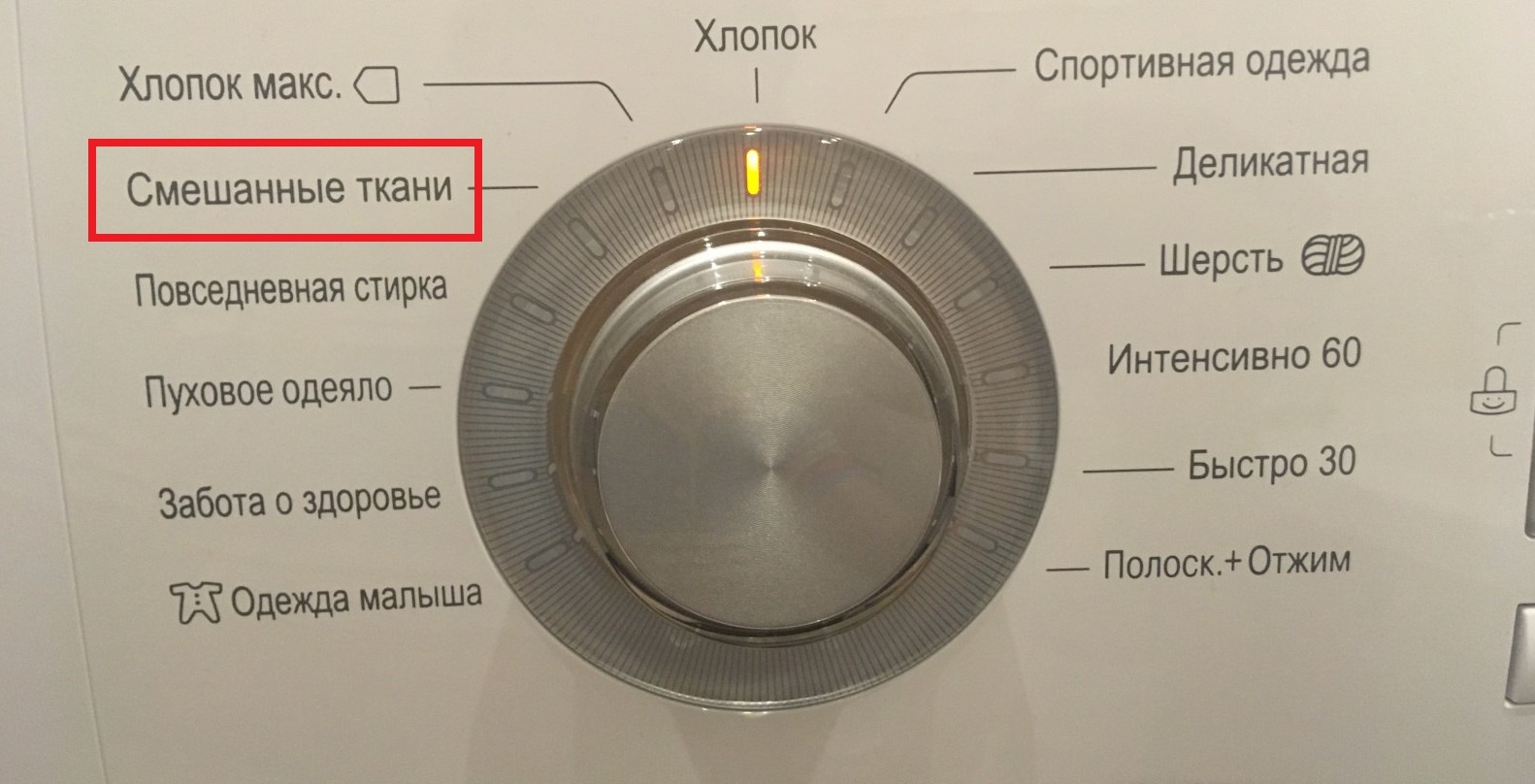
- "Drum Clean" is a program for rinsing the insides of the machine, including the drainage system. It involves heating water to 90 degrees Celsius. For best results, it's best to use a special cleaning agent for washing machines. Duration: 1 hour 18 minutes;
- “Quick 15” is an express program for lightly soiled items or small loads, washing takes place in cold water, the cycle duration is 15 minutes;
- “Delicate” – ideal for washing delicate textiles, such as silk, satin, synthetic fibers, the program lasts 50 minutes;
- "Wool" is an especially gentle cycle for woolen garments. The program features long pauses and cool water washing, lasting 1 hour 7 minutes.
- "Colored Fabrics" – a program for washing brightly colored items, guaranteeing color retention. The wash cycle lasts one hour and is performed in cold water.
- "Bed Linen" is a special cycle for washing sheets, blankets, and pillowcases. It takes 1 hour and 48 minutes.
Weissgauff machines also offer additional features. These can be activated as needed. These options include:
- “Delayed start” (allows you to set a convenient time for the cycle to start);
- “Pre-wash” (items are “soaked” in a soap solution for a certain period of time);
- "Extra rinse";
- “Quick wash” (helps reduce the program execution time);
- “My program” (you can save your favorite cycle settings in the machine’s memory; the intelligence will remember them);
- “Additional loading” (allows you to add items to the drum after the cycle has started);
- “Child lock” (during washing, all buttons on the control panel become inactive).
Load a load of laundry into the drum and use the selector to select the appropriate wash program. If necessary, enable the desired options. Additional functions are activated by the corresponding buttons or key combinations.
Let's start washing
What else should you do before starting the wash? Add detergent to the detergent drawer. Weissgauff machines have three compartments, each with a different detergent.
Add washing powder or gel to the largest compartment, marked with the Roman numeral "ll" or the letter "B." The detergent will be washed out of this compartment during the main wash.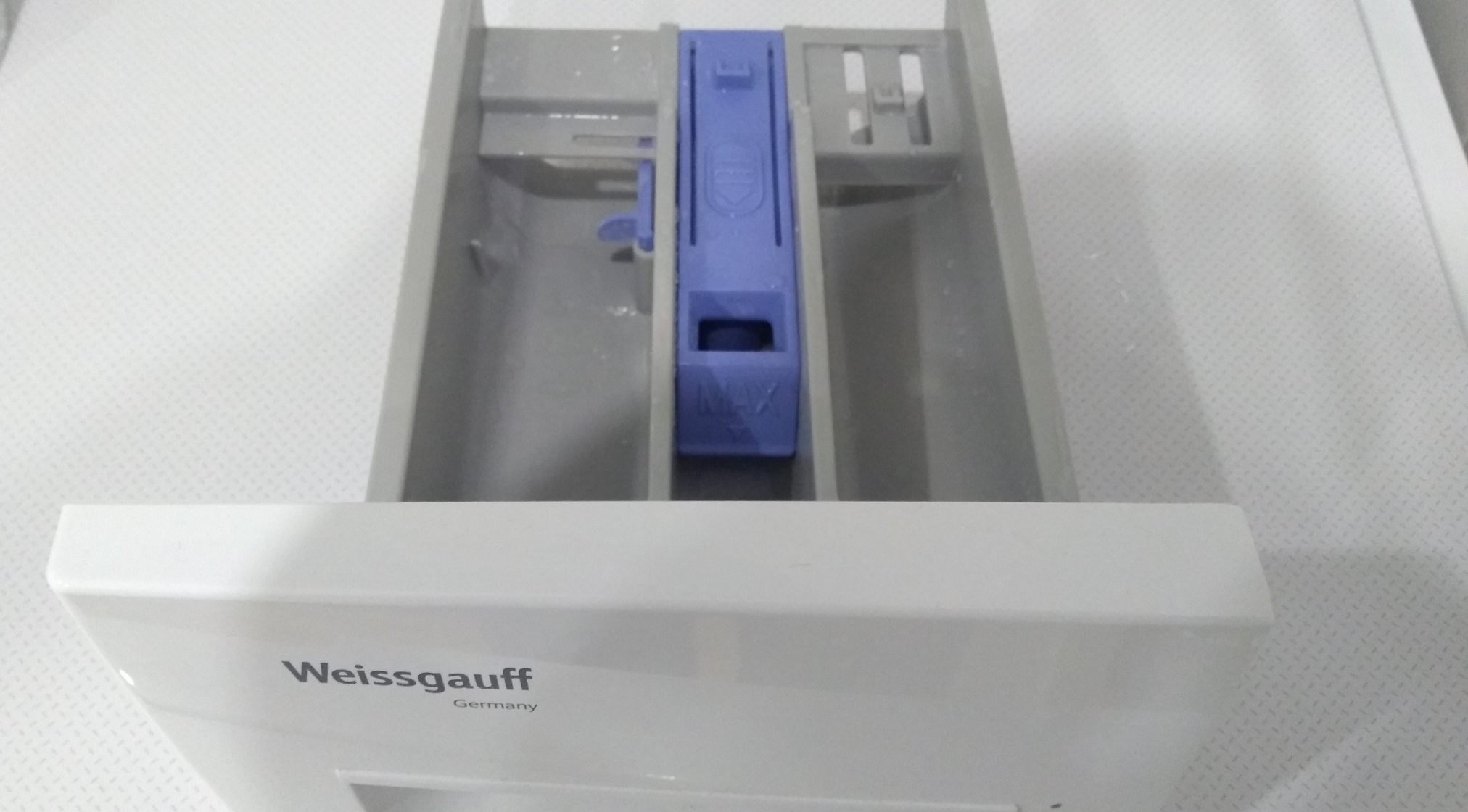
If the selected program includes a prewash, the detergent is also added to the compartment marked "l" or "A." The smallest compartment, marked with an asterisk, is for fabric softener.
It is necessary to strictly adhere to the dosage of the detergent to avoid excessive foaming.
If you don't add enough detergent, your clothes won't get clean. If you add too much, the drum will become overly lathered, which is harmful to your washing machine. Therefore, it's important to follow the dosage instructions on the detergent packaging.
Laundry tablets and capsules are placed directly into the drum, under the clothes, rather than in the dispenser. It's important not to confuse the compartments in the drawer, otherwise you won't achieve a high-quality wash. For example, clothes might be washed with fabric softener and rinsed with detergent.
So, your laundry and detergent are loaded, and the program is selected. At this point, you can adjust the cycle settings, such as changing the temperature or spin speed. This is done using the appropriate buttons.
In general, starting an automatic washing machine always follows the same algorithm:
- plug the washing machine into the power supply;
- open the shut-off valve in front of the machine;
- load a batch of laundry into the drum;
- close the hatch door tightly;
- add detergent;
- start the machine using the power button;
- Use the programmer to select the mode, adjust the settings if necessary, and enable additional options;
- Click the "Start" button.
All that's left to do now is wait for the cycle to finish. The machine will beep when the wash cycle is complete. Don't rush to open the drum door—the locking mechanism needs a few minutes to cool down.
The machine has completed the program.
After waiting a few minutes after the cycle ends, you can open the door. Now it's time to unload the machine, removing the items and hanging them to dry. Remove the clothes carefully to avoid damaging the drum seal.
Now all that remains is to “look after” the washing machine. After washing, be sure to wipe the drum walls and cuff with a dry cloth, rinse the powder compartment and leave the machine slightly open for ventilation. This will help prevent the formation of musty odors, mold and mildew.
It's best to unplug the power cord from the outlet. Otherwise, a strong power surge could damage the machine. It's also recommended to turn off the water supply valve after each use.
Every 2-3 months, you should clean your washing machine's dust filter. You should also periodically run an empty cycle with a special anti-scale detergent. This will help remove limescale deposits that have accumulated on the washing machine's internal components.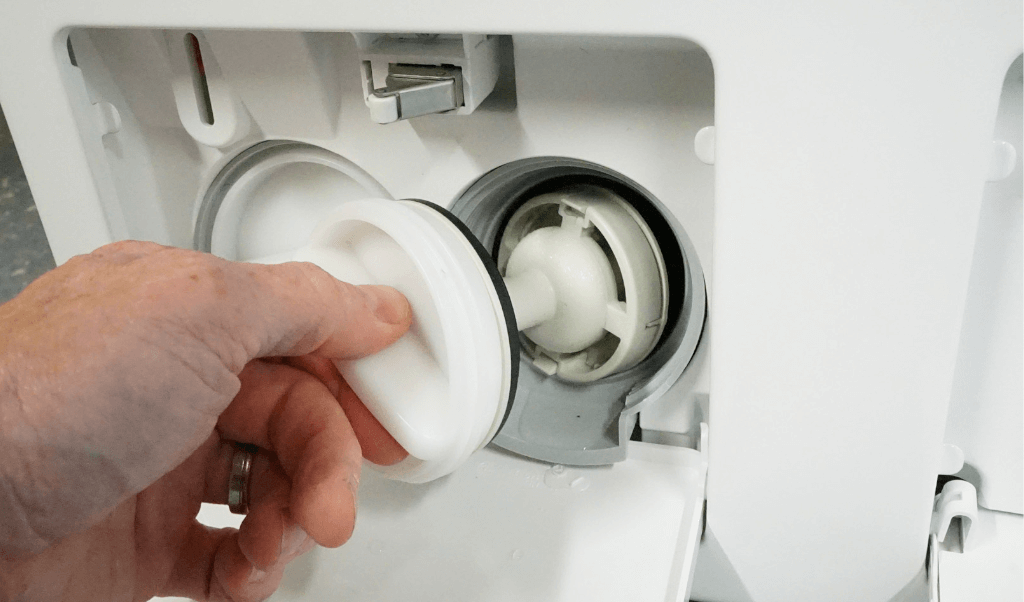
It's important not to forget about the detergent drawer. It also accumulates scale and residue from detergents. It's recommended to clean the drawer after each use.
Let's extend the life of your device
Proper operation is the key to a long life for your washing machine.It is important to follow basic recommendations that will help extend the life of the device. There are few rules, all of them are simple, but very effective.
- Always monitor the weight of the laundry placed in the drum, avoiding overloading or underloading.
- It's best not to use high-temperature programs too frequently, especially several times in a row. This could damage the heating element and control module.
- If the dirt is not very strong, it is recommended to set the washing temperature to 30-40 degrees, this will reduce energy consumption.
- Constantly running the spin cycle at maximum speed is also not recommended. This is harmful to the bearings. The rings will wear out much faster, and replacing them is quite labor-intensive.
- It is better to choose high-quality detergents rather than giving preference to the cheapest formulations.
- Don't use hand washing powder in the washing machine—it produces too much foam. Be sure to use detergents labeled "Automatic."
- Avoid interrupting the washing machine's cycle unless absolutely necessary. This can damage the control board.
- It's best to connect your washing machine through a voltage stabilizer. The electronics in modern washing machines are very sensitive to power surges. This device will protect your washing machine from power surges.
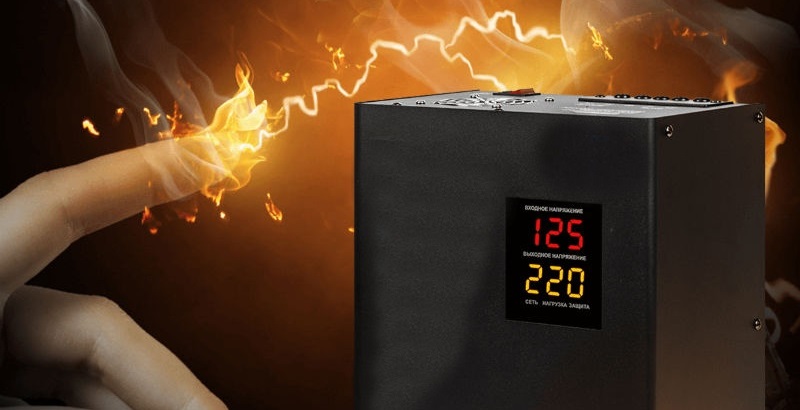
- Don't forget to ventilate the machine after each cycle, wipe the cuff, wash the powder compartment, and use special descalers every 3-4 months.
Weissgauff automatic washing machines are quite easy to use. Even a child can figure out the controls. The key is to always sort the laundry, adhere to the specified load weight, clean the washing machine after use, and remember to perform maintenance.
If the machine detects a malfunction, it will notify you. All modern Weissgauff machines are equipped with a smart self-diagnostic system. To understand the problem, the user needs to decode the error code. A description of all codes is provided in the machine's manual.
Interesting:



Readers' comments
Headings
Washing machine repair




For buyers




For users


Dishwasher




Add a comment