
Replacing the drain hose on a Zanussi washing machine
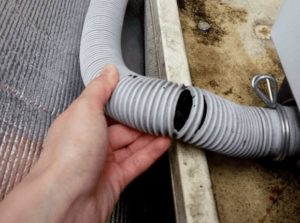 Without a drain, a washing machine won't work. Furthermore, water is drained from the machine several times per cycle. The washing machine is completely sealed, but there are still some areas vulnerable to damage. This includes the drain hose, which, if damaged, can cause a variety of problems, from the machine stopping with a full tank to a full-blown flood. Duct tape and duct tape won't help with cracks—the drain hose needs to be replaced immediately. We'll explain how in detail.
Description of the work process
You can replace the drain hose on a Zanussi yourself at home. There is no need to call a specialist – the procedure is quite simple and quick. You just need to understand the design of the machine, understand the drainage system and follow the instructions.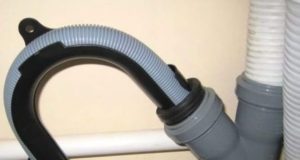
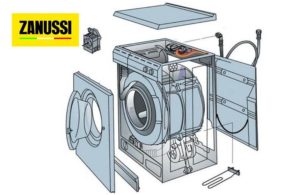
First, let's get acquainted with the Zanussi drainage system. Typically, the drainage hose connection on these models is the same as a standard one: one end of the corrugated hose is screwed to the pump outlet, and the other is connected to the sewer pipe or trap via a tee. All connections are securely fastened with clamps.
The sleeve is released as follows:
- the Zanussi washing machine is disconnected from the power supply and water supply;
- residual water is drained from the machine by unscrewing the waste filter or activating the emergency drain;
- The clamps on the drain hose are loose.
Difficulties usually arise during the drum emptying process. Simply turning on the "Drain" program isn't enough—all water, including residual water, must be removed from the drum. To do this, open the access door, unscrew the waste filter, or pull out the emergency hose. It's important to have a basin and rags ready to prevent flooding.
Next, we turn our attention to the drain hose. First, we detach the hose from the drain pipe by loosening the clamp at the joint with pliers. The connection point is usually easily accessible—you just need to move the appliance away from the wall and access the pipe.
The second step is to disconnect the drain hose from the pump housing. The procedure here varies depending on the Zanussi washing machine model. If your machine doesn't have a drip tray, simply lay the machine on its right side to gain easy access to the pump. If your washing machine has a bottom, you'll first need to remove the panel by unscrewing the bolts and disconnect the wire from the Aquastop sensor. In the latter case, proceed with extreme caution to avoid damaging the wire. Once the corrugated hose is released, pull it out of the housing and set it aside.
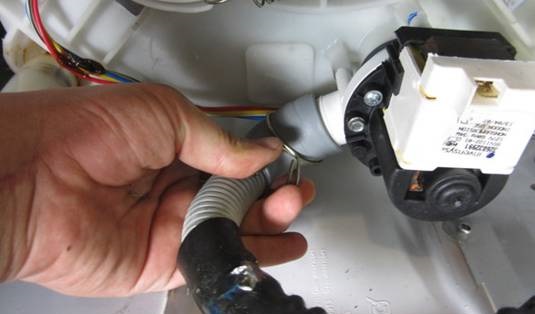
When replacing the drain hose, it is recommended to immediately diagnose the drainage system - clean the filter, inspect the pump and impeller.
Now we begin the replacement: take the new hose and secure it first to the coil, then to the drain pipe or trap. The key is to tighten it firmly, but not too tightly, so as not to damage the rubber base. Be sure to straighten the corrugated tube and secure it to the rear panel. It is important to avoid bending, sharp twisting and creasing.
It's a good idea to check the repair immediately after installing the new hose. Connect your Zanussi washing machine to the power supply and run the rinse cycle. While the machine is running, inspect the bottom and the connection between the hose and the drain. There should be no drips or leaks.
Monitor the condition of the hose
Do not operate a washing machine with a damaged drain hose – it is unsafe! The hose must always be in perfect condition, free of cracks and kinks. Spot repairs using electrical tape, rags, and duct tape are unacceptable – the entire hose must be replaced. Only then will water drain completely and smoothly from the drum into the sewer.
It's recommended to regularly inspect the drain hose to promptly address any leaks or clogs. The latter is a very common problem, as debris, dust, dirt, hair, and other debris constantly end up in the washing machine. You can suspect that the system is clogged by certain “symptoms”: water drains more slowly, an unpleasant odor and an unusual hum are heard. Then you need to remove the hose, rinse it under the tap or soak it in a lemon solution.
Repairing a damaged hose with tape or electrical tape is not safe!
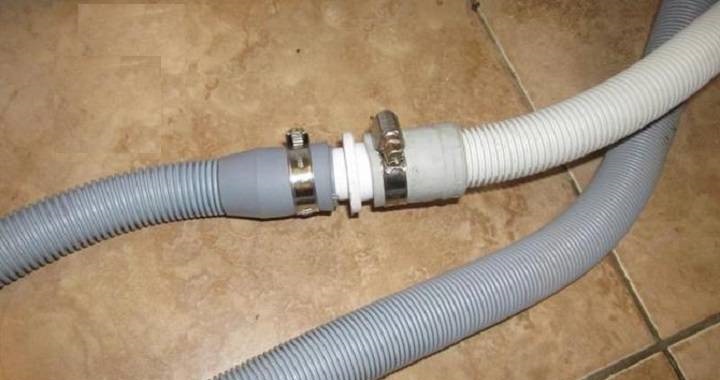
It's also important to ensure the hose is long enough to connect to the sewer system without any problems. Constantly tugging on the corrugated pipe or holding it suspended is not recommended, as this could cause a rupture and subsequent leak. Furthermore, don't try to extend the hose yourself with extensions; it's better to purchase a new pipe of sufficient length.
Interesting:

Readers' comments
Headings
Washing machine repair




For buyers




For users


Dishwasher




Add a comment