
Is Calgon good for your washing machine?
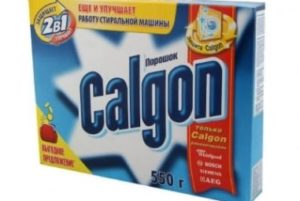
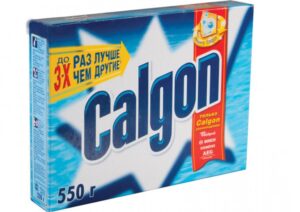 Few people haven't heard of the well-known limescale and scale remover Calgon, whose advertisements are constantly being seen. Marketing pays off, and demand for this product is indeed very high, but it's not worth blindly trusting advertising and statistics. It's better to find out for yourself whether Calgon is effective for your washing machine, or whether the demand for it is unfounded.
Is Calgon really that effective?
Manufacturers claim that if you don't use Calgon, your washing machine's heating element will become so coated with scale that it simply won't work. Advertising shots clearly demonstrate the consequences of such "neglect." But the fact is, we don't know what happens to the heating element with regular use of Calgon, and it's likely that even then the situation won't be much better.
Please note: The extent to which scale builds up on the heating element depends on the water hardness level in your region.
If your water is soft, you don't need to use anything else to prevent scale buildup beyond your regular laundry detergents. They contain anti-scale agents.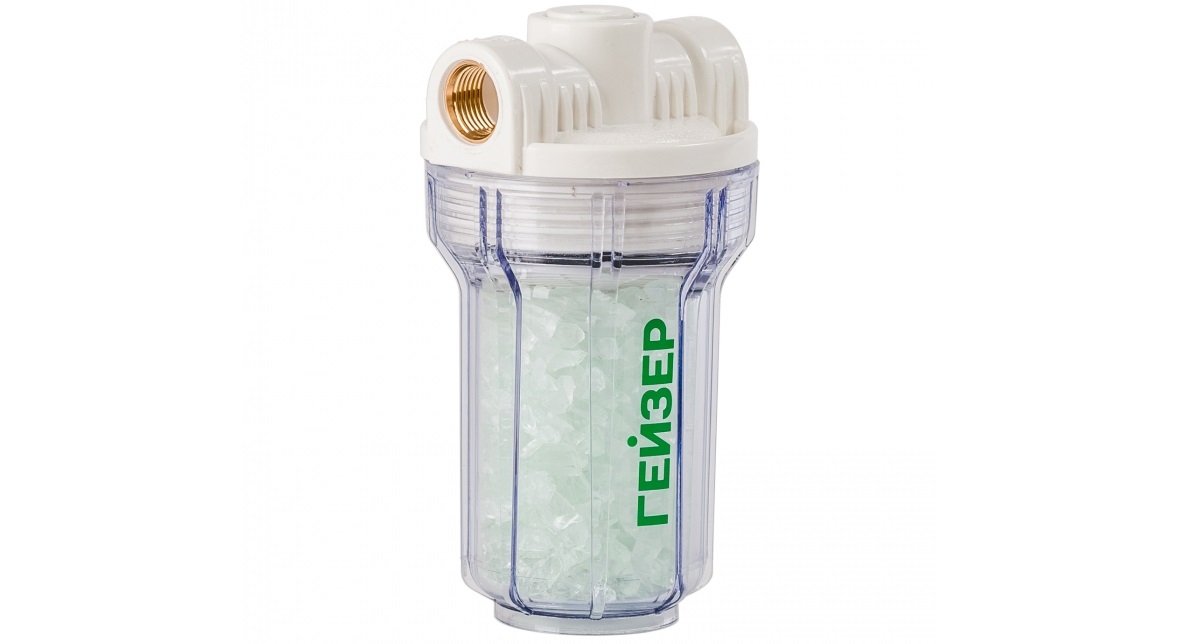
In regions where the water is oversaturated with salts, such simple preventative measures may not be enough. However, even in this case, you can get by without Calgon. It's better to purchase a polyphosphate filter, which will purify the water before it's sent to the machine. This filter costs $2.50–$3 and lasts longer than a similarly priced Calgon filter. One package is only enough for a few dozen uses, and the filter does a better job of purifying the water.
An inflated problem
It's true that electric heaters in modern washing machines fail quite frequently. But can we really say that limescale and scale buildup are to blame? Technicians and service centers don't keep track of the causes of heating element failures, as that would require sending each part for examination.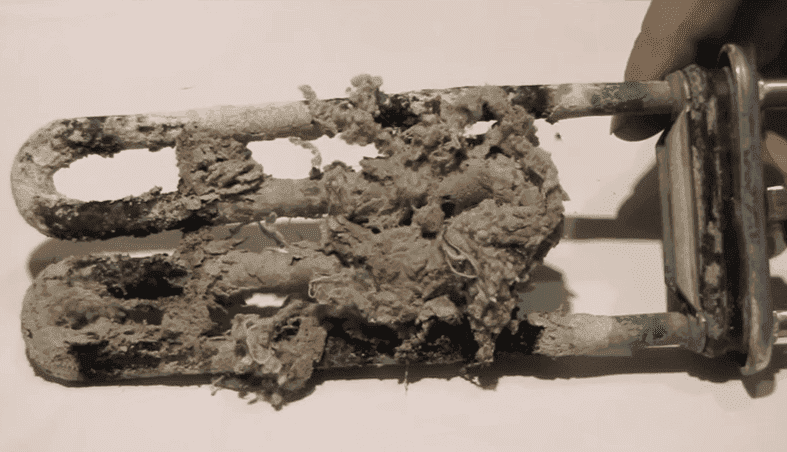
However, other statistics indicate that the heating elements of older washing machines (manufactured 15-20 years ago) continue to function properly, even though they're coated with scale. However, in newer units, the heating elements sometimes burn out within a couple of years. It's doubtful that water has become harder. More likely, the components are now being made more fragile, causing them to fail quickly. This is done to create demand for new washing machines, since if old ones continue to operate for decades, sales will decline, which is unprofitable for manufacturers.
It is not economically viable
Now let's do some math and prove that Calgon is not only not very useful, but also not economically viable to buy.
- A pound of Calgon costs $2.50–$3. A single pack will last you a month, maybe a little more. So, that's about $30 a year.
- If the heating element breaks, a new part will cost $15 plus $10 for the repairman's labor, for a total of about $25. And that's assuming even a fragile heating element will likely last more than a year.
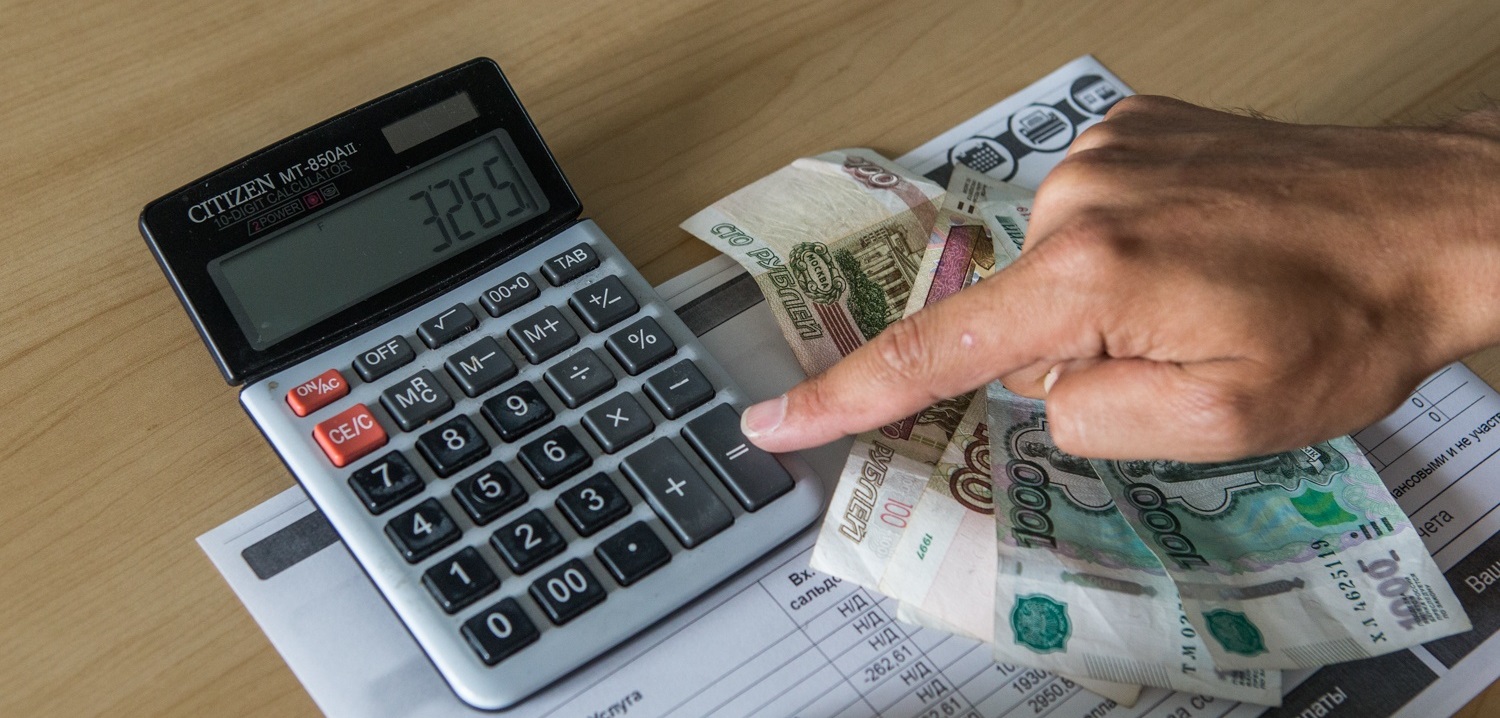
- One polyphosphate filter cartridge costs $5–$7 and lasts for six months. With regular laundry, a homeowner will spend $10–$15 per year.
Of all the options listed, Calgon is the most expensive and offers no undeniable benefits in terms of water softening or scale prevention. If it were significantly more beneficial, it might be worth considering, but as it is, you can get the same results for less.
Interesting:
Readers' comments
Headings
Washing machine repair




For buyers




For users


Dishwasher




Add a comment