
Will the dryer ruin my clothes?
 Dryers haven't yet become as common in homes as washing machines, so various rumors and myths still circulate about this type of appliance. Just as people once feared electricity, refrigerators, televisions, and washing machines, today it's common to believe that dryers are harmful. Supposedly, clothes in the dryer's drum dry so quickly at extreme temperatures that the fibers lose their elasticity, become deformed, and break more quickly. We'll help you figure out whether a dryer is damaging your clothes.
Does a dryer damage laundry?
Let's say right away - the fear that the machine will deform and damage things is wrong. The fact is that modern devices are created using heat pump technology, with the help of which drying is carried out not at such high temperatures as in older-style equipment with ventilation and condensation types of drying. This ensures that your clothes are handled with care, preserving the integrity of even the most delicate and fragile fabrics. Modern appliances also help protect your clothes with the "Easy Iron" function, which allows you to leave your clothes virtually wrinkle-free without ironing after drying.
For the most gentle care, you should buy equipment from the Candy GrandÓ series with the Woolmark certificate – it dries even wool with the utmost gentleness.
The myth about the harmfulness of dryers was not unfounded in the last century, as back then, dryers actually dried clothes quite aggressively, damaging the fabric. But this is a thing of the past; today, even models without a heat pump dry clothes at a moderate rate and an acceptable temperature. Therefore, the only way to damage fabric in a dryer is by loading items from the prohibited list.
Things that don't belong in the dryer
Unfortunately, not all household clothes can be dried in this convenient "home helper." To avoid accidentally damaging your clothes, check the list of items not suitable for drying in the dryer, compiled by appliance manufacturers.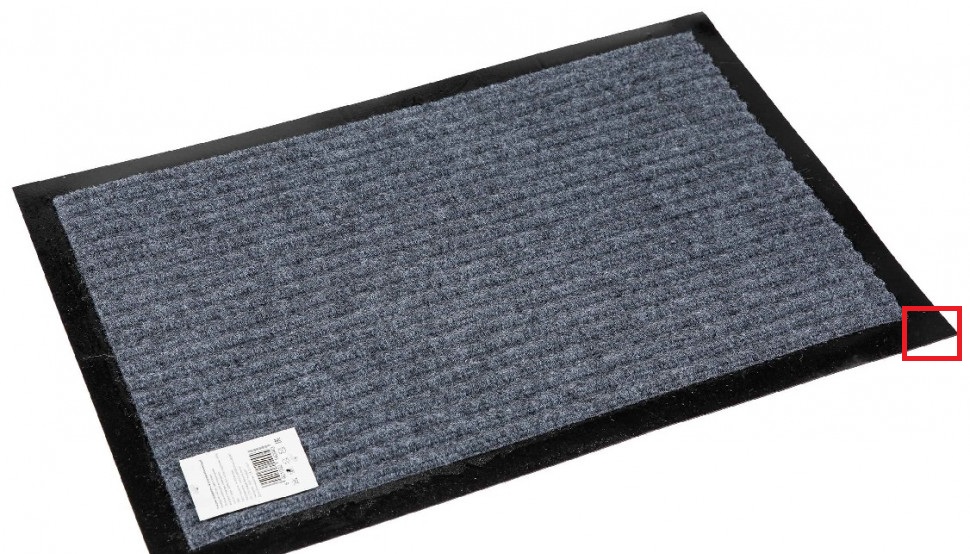
- Rubber-backed rugs. This type of rug is considered stain-resistant because it absorbs moisture well, which is why they are often left in front of the front door. While they are generally machine-washable, they are still not recommended for use in the dryer. This is because the rubber backing of the rug cannot withstand the high temperatures used in a dryer. This can cause the rug to melt, ruin other items, leak rubber into the dryer, and even cause a fire.
Never dry anything that has a rubber coating, such as sneakers with rubber soles.
- Dryer wipes. They're made from natural materials and infused with various fragrances to remove odors from clothes, leaving only a pleasant scent. Their advantage is that they're environmentally friendly, completely decomposing in just three weeks. However, organic residue can clog the dryer filter, reducing its efficiency—lint removal will be reduced by a sticky film clinging to the filter element. This can also lead to mold growth, as water will begin to accumulate in the machine.
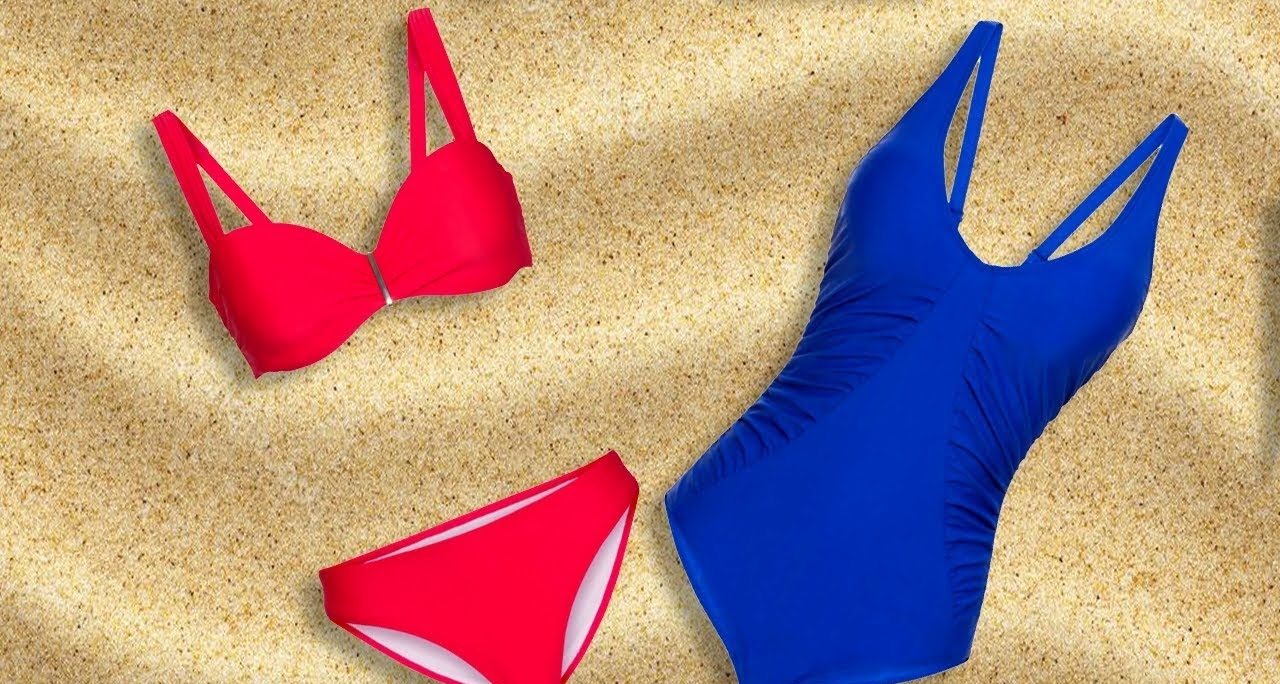
- Used beachwear. This type of clothing should not be washed because sand from swimsuits, swimming trunks, towels, and other items will inevitably become stuck in the dryer. This will leave sand on the clean items you load for several months. Furthermore, sand can damage the dryer drum, potentially requiring expensive repairs. Therefore, if you need to dry beachwear, clean it of sand first and wash it.
- Pet hair on clothes. Cat and dog lovers know how difficult it is to remove pet hair from their clothes, but that's no reason to dry them in that condition. In this case, the wool will not only get on clean clothes, but will also get clogged in the ventilation hole and lint trap. This will increase drying time and create a risk of fire. It's recommended to first remove all hair and lint with a lint roller before drying.
- Leather items. Clothes made from this delicate and expensive material can easily crack in the dryer due to high temperatures. To avoid damaging your favorite items, avoid placing leather items, including faux leather, or suede in the machine.
- Silk and lace items. These delicate, weightless materials are most often used to create equally delicate loungewear, such as underwear and pajamas. In high temperatures, such items will simply tear and wrinkle, leaving them permanently. If you need to dry these items, it's best to use the old-fashioned method of hanging them on a line.
In summary, it's worth noting that tumble drying won't damage your clothes if you buy new models and strictly follow the manufacturer's recommendations. Therefore, any regular items can and should be dried in an automatic tumble dryer, as it saves time and makes life easier.
Interesting:




Readers' comments
Headings
Washing machine repair




For buyers




For users


Dishwasher




Add a comment