
Washing poplin bed linen in a washing machine
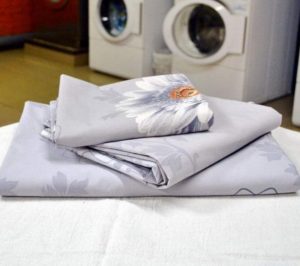 Poplin has long been known as a soft, smooth, and durable material that retains its shape and color well. Poplin also retains heat well, is hypoallergenic, and is relatively easy to care for, making it suitable for making sought-after bed linens. These sets are affordable and ensure a comfortable and restful night's sleep. Housewives are pleased to know that poplin bed linens are machine-washable. We offer step-by-step instructions, including cleaning products and storage tips.
Automatic washing
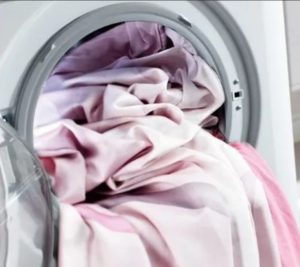
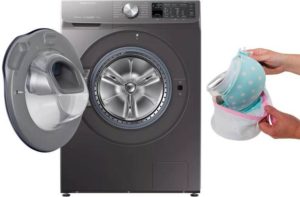
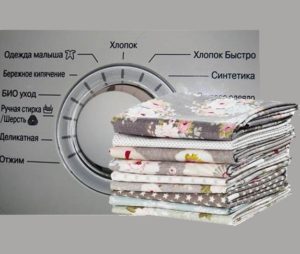
Machine washing poplin is safe, but a few important guidelines should be followed. First, select the correct cycle to gently clean the silk and wool fibers in the fabric. Ideally, use a delicate or hand wash cycle. "Silk," "Wool," and "Cotton" cycles are also acceptable.
Having set up the program, we adjust some cycle parameters:
- temperature – 30 degrees, if the composition contains synthetics, wool or silk, or 40 degrees, for cotton fibers;
- spin intensity – up to 600 rpm, it is better to turn it off completely;
- Automatic drying – turn off;
- Detergents - gels for delicate fabrics with added conditioner.
Poplin can be washed on the “Silk”, “Wool” or “Delicate” cycle.
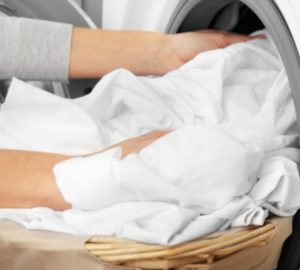
When washing in a washing machine, it's important to follow the loading instructions. For example, it's not recommended to load other types of fabrics into the drum at the same time as poplin. Polyester and other harsh synthetics can damage the delicate fibers.The tank is filled only halfway with poplin, as the items need “air” for optimal washing and rinsing.
What are we going to wash with?
When washing poplin in a washing machine, pay special attention to the detergent used. Powdered detergents can be added, but only sparingly and only if they do not contain abrasives, bleach, or other harsh additives. If washing colored items, purchase packaging labeled as such. Ideally, avoid powdered detergents and opt for gels.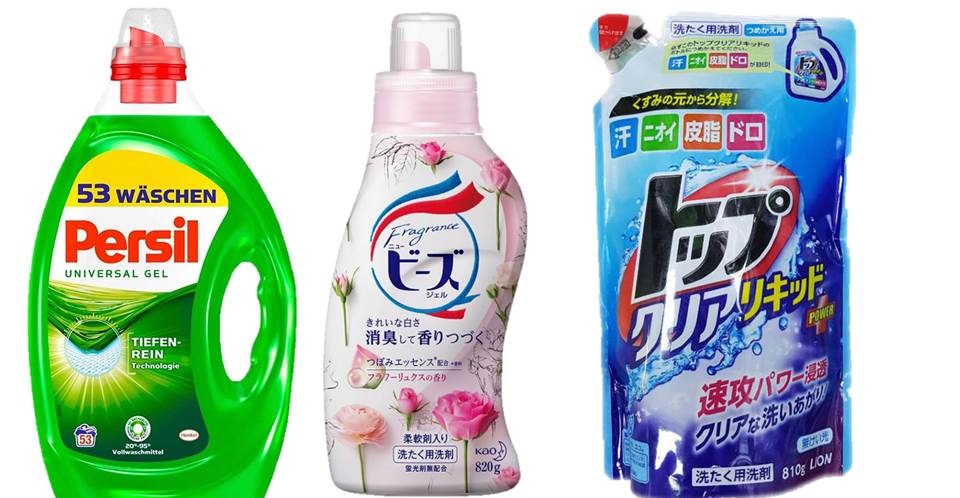
Unlike powders, gels can be used in cold water, dissolve quickly, remove stains effectively, and rinse completely from the fibers. Liquid forms also do not cause allergic reactions and are safe.
The range of delicate gels is wide, and the following brands have proven themselves particularly effective for colored fabrics:
- "Persil Universal Gel" is a budget option that is valued for its effective cleaning while preserving the original color and softening the fabric (the special formula contains a cellulose enzyme that smooths poplin fibers);
- "Beads Gel" effectively washes poplin and other delicate materials without distorting the color of the product, quickly washes out of the fabric and prevents yellowing of the fibers;
- "Lion TOP-power" is perfect for cotton poplin, will help linens retain their shape, enhance their color, and acquire a pleasant aroma.
For light-colored, solid-color sheets and duvet covers, use bleaching detergents. A great option is Persil Professional Universal, a chlorine-containing gel with universal action. It's suitable for all fabric types and removes heavy stains even in cold water. For stubborn stains, it's best to soak the linens in an oxygen bleach solution (2 tablespoons of powder per 5 liters of water heated to 40 degrees Celsius). The procedure takes approximately 60-100 minutes.
You can also bleach poplin using folk remedies. A solution of hydrogen peroxide, vinegar, water, and fresh lemon juice effectively combats stains, yellowing, and graying. Mix all the ingredients, pour the resulting solution into a spray bottle, and spray it on the affected areas of the bedding. After 10 minutes, rinse the linens and evaluate the results.
Poplin with wool and silk threads is bleached using a gentler process. Add 50 ml of gentle laundry detergent to 5 liters of water heated to 20 degrees Celsius. Once dissolved, add 3 tablespoons of fine table salt and 1 teaspoon each of hydrogen peroxide and ammonia. The linens are dipped in the resulting solution and left for 3-4 hours. Afterward, the linens are rinsed and hung out to dry.
Traditional care
Washing poplin bedding by hand is difficult and time-consuming, but minor stains can be easily removed. Fill a basin with warm water, dilute the detergent, and submerge the linen in the soapy solution. Thoroughly soak the fabric and leave it to soak for twenty minutes. For stubborn stains, increase the soaking time to 30-60 minutes. Washing should be done gently, without vigorous scrubbing or using a hard brush.
It is prohibited to rub, twist or squeeze poplin vigorously!
Cold water is collected for rinsing. Ideally, you should rinse your laundry until all the detergent is washed out. At the finish, add fabric softener or conditioner. Do not wring or twist the poplin.
Let's dry and iron it
As a reminder, poplin doesn't like vigorous spinning. Machine drying is also prohibited, as excessive heat will damage the garment and distort the fibers. It's essential to handle it with extreme care.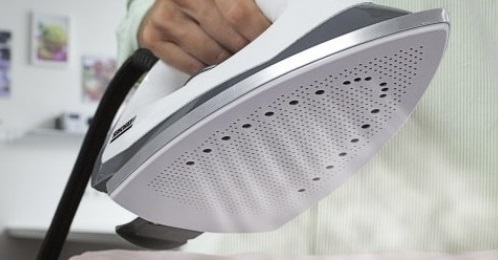
- Rinsed fabrics are carefully pressed without twisting or wringing.
- Shake and hang on a clothesline.
- Choose a place in the fresh air protected from sunlight for drying.
Cotton poplin is ironed at 140 degrees, and silk, synthetic or wool at 80.
If you don't wring poplin and let it dry flat, there's no need to iron it. If there are creases or wrinkles, you can iron it, but only from the inside out and on a damp cloth. For cotton-based bedding, heat the iron to 140 degrees Celsius (272 degrees Fahrenheit), and for items containing silk, synthetics, or wool, set the temperature to a maximum of 80 degrees Celsius (176 degrees Fahrenheit).
Storage Tips
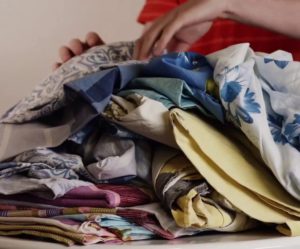
Poplin, like any bedding, is stored in a dry closet. It is advisable to fold the linen into a neat pile, smoothing out all folds and creases. To maintain freshness, a special fragrance is placed nearby.
Ideally, bed linen should be changed daily. This will not only keep the room clean and fresh, but also save poplin from intensive washing. The linen won't become heavily soiled, so a gentle, quick cycle is sufficient. Poplin linen is considered luxurious because it provides a warm, comfortable, and safe sleep. The key is to wash it properly to preserve all the benefits of poplin.
Interesting:
Readers' comments
Headings
Washing machine repair




For buyers




For users


Dishwasher




Add a comment