
Drying bed linen in a tumble dryer
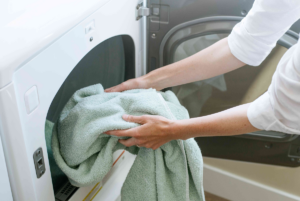
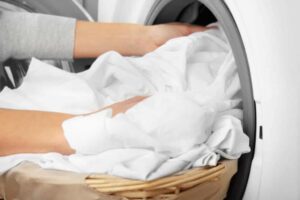 Convenient modern dryers can be used for drying items made of virtually any fabric. You can even dry bed linens in a dryer, as manufacturers have developed a dedicated cycle for this type of item, called "Bed Linen." Let's take a closer look at this drying method and all the subtleties that will help you avoid damaging your expensive items in your "home helper."
The nuances of drying pastels
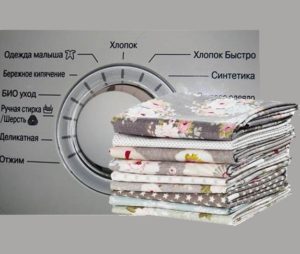
Of course, drying bed linen must be done in accordance with all the rules for using a tumble dryer. The housewife must always be careful not to overfill the drum with things, as this will cause the system to overload. In addition to quantity, it's important to consider the type of fabric the item is made of, its moisture level after washing, and many other factors that directly influence load size and drying cycle selection. It's common for the "Bed Linen" cycle to be avoided due to the type of fabric.
This is especially true when drying bamboo or linen linens, which can be machine-washed, but only at low temperatures. This is because these items may shrink if you use a standard bedding setting. For bamboo and linen, select the most delicate settings, with temperatures no higher than 45 degrees Celsius.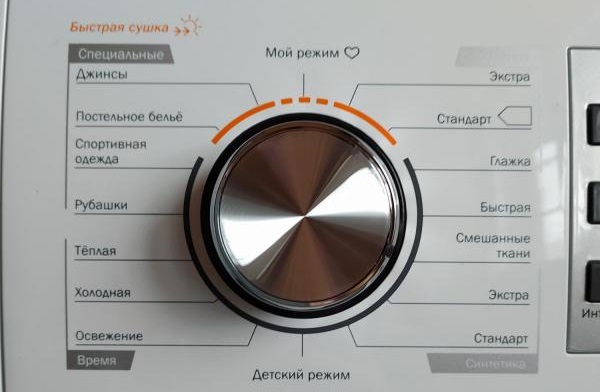
As for classic cotton linens, they can and should be dried on a standard dryer cycle. The main thing to remember is to thoroughly wring out the items first, as this will ensure much more effective drying. Also, avoid overdrying cotton items, as this will not only make them stiff and scratchy, but also extremely difficult to iron. These sheets are very unpleasant to sleep on, and even more so to iron, so it's best to avoid this situation.
Finally, manufacturers do not recommend drying synthetics using a standard bedding cycle. While this can effectively remove moisture, the items will be slightly overdried and require a longer ironing time. Therefore, it's better to use programs specifically designed for synthetics.
What parameters should be taken into account when sorting pastels?
Now let's look at some practical tips for sorting items that will help dry your bed linen more efficiently and safely. These recommendations are relevant in a situation where you have many different sets of underwear. Sorting before each work cycle must be carried out according to certain parameters.
- Color. When colored and dark items frequently come into contact with white items during machine drying, the items may discolor. Therefore, always dry dark and colored items separately from light items. This also prevents black lint from forming on white items and white lint on black items.
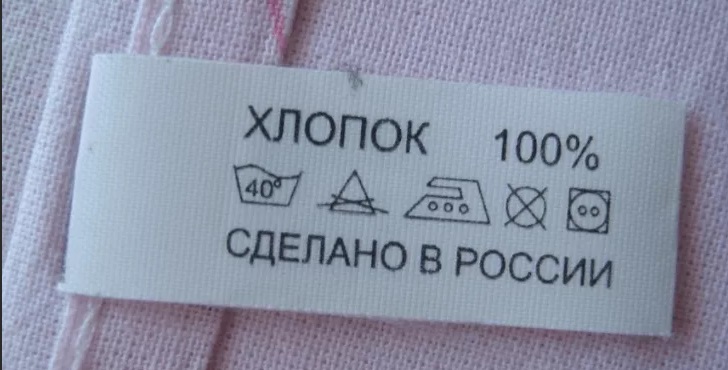
- Composition. It's simple: different fabrics require different drying temperatures. For example, cotton linens can be dried at 60 degrees Celsius, while bamboo and linen can be dried at 45 degrees Celsius or lower. That's why you shouldn't dry these sets at the same time.
- Fabric thickness. It's also important to ensure that items dry at the same speed. If you load both thin and thick fabrics into the drum at the same time, you'll end up with either some dry and some wet items, or some dry and some overdried. Both situations are far from ideal, so it's best to simply use the machine twice for different items.
- Size. Be sure to consider the size of the items you need to dry in your dryer, as even the largest sheets and duvet covers can bunch up, causing them to not only fail to dry but also become heavily wrinkled. To prevent this, add small pillowcases or towels to prevent larger items from bunching up.
It's best to close the opening in the duvet cover during washing and drying to prevent other items from getting caught in it. This can be done with a zipper, if one is sewn into the item, or with pins.
As you can see, there aren't many parameters, so sorting items for the tumble dryer is very simple.
What items does the dryer "not like"?
You can dry almost any type of bed linen in a modern dryer, but you just need to carefully select the setting. However, users usually use household appliances not only for pillowcases and sheets, but for many other things. Because of this, it's best to remember the list of items that should not be tumble dried.
- Delicate garments. This includes items made of silk, lace, chiffon, tulle, and other fabrics. This restriction exists because such items easily stretch and shrink during machine drying. The cycle can also damage the seams of dresses and lingerie, causing them to not only warp but also become dull.
- Wool items. Avoid tumble drying them unless you want them to shrink several sizes. Therefore, keep these items out of direct sunlight and let them air dry.
At your own risk, you can use the most gentle setting on your tumble dryer to treat woolen items.
- Suede items. The "Home Helper" can cause severe creases in these items due to heat and mechanical friction, making them appear worn and worn.
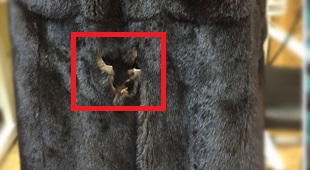
- Fur clothing. Machine drying fur garments causes the fur to tangle and fall out. Therefore, it's best to air dry fur coats, first shaking off any moisture from snow or rain and hanging them on a hanger overnight. After drying, be sure to brush the fur along the nap.
- Nylon tights. Because polyamide fiber loses its shape in high dryer temperatures, it's best to air dry it.
- Leather goods. Drying in a tumble dryer can cause leather to fade and crack, resulting in salt stains. Therefore, leather shoes and clothing should be dried using a traditional method, rather than using a household appliance.
- Items made from membrane fabrics. This category includes children's clothing, sportswear, and footwear. Drying at high temperatures can cause the items to lose their water-repellent properties, so it's best to leave them to dry at room temperature.
- Rubber items. This includes shoes with rubber soles, raincoats, boots, and other items that may shrink during the dryer cycle. Bras with rubber mats should also be avoided, as they can also become misshapen in the dryer.
- Garments with delicate trim and intricate inserts. During vigorous drum rotation, such items may become damaged due to snagging or loss of small inserts. If the trim is attached to the garment with glue, the glue will melt, as will all plastic elements.
It's best not to add clothes with small parts to the dryer drum, as bra wires and many other small items can puncture the dryer's drum.
- Items that have been exposed to hazardous substances. This includes workwear and any other items soaked in gasoline, acetone, alcohol, paint, or other hazardous liquids. Do not dry them in a household appliance, as such stains emit explosive vapor and are highly flammable. This also applies to kitchen towels that have been exposed to oil, which is also highly flammable.
- Dirty items. The last point applies to items that haven't been pre-washed in the washing machine. If you load such clothes into the dryer, the dirt will clog the filters. After drying, the items will develop an unpleasant musty odor. Additionally, avoid tumble drying items with stains like fruit, wine, blood, and grass, as they will set further into the fabric if not removed first.
Ultimately, there aren't many prohibitions. You just need to memorize the list or save it for yourself so as not to ruin your clothes or dryer.
Interesting:
Readers' comments
Headings
Washing machine repair




For buyers




For users


Dishwasher




Add a comment