
Washed a phone charger in the washing machine
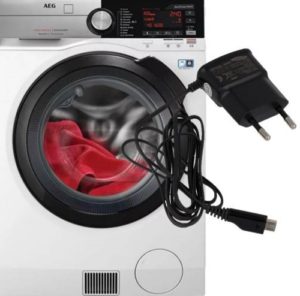 No one is immune to mistakes. If you washed your phone charger with your other clothes, don't panic and take action. Experience shows that even after a long cycle in an automatic washing machine, the charger can be saved. You just need to understand which methods work and which ones only make the situation worse.
The best method of "resuscitation"
Ideally, you should throw away a charger that's been in water. However, replacing the original charger with a Chinese knockoff is a dubious idea: third-party devices have different specifications and gradually "kill" the phone's battery. Therefore, it's worth fighting for the original and trying to "revive" it.
A standard charger doesn't contain complex microcircuits, so in theory, immersion in water won't cause significant damage. The danger lies not only in residual moisture but also in oxidized contacts. If you plug in a device that is not fully dried or damaged, a short circuit will occur with all the dangerous consequences. Therefore, drying the charger using a standard two-hour dryer on a radiator is unacceptable. More drastic measures are required.
We proceed as follows:
- disassemble the charger housing;
- we take a capacity proportionate to the device;
- place all the charger components in a bowl;
- heat 96% ethyl alcohol in a water bath to 40-50 degrees (vodka, moonshine and other alternatives are not suitable - only “pure” pharmaceutical alcohol);
- Fill the charger completely with alcohol and leave for 7-10 minutes;
- we take out the device and thoroughly blow out all the elements with a vacuum cleaner;
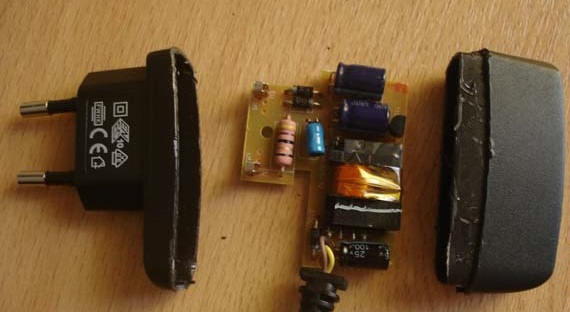
- we repeat the procedure: we heat up the alcohol, immerse the charger in it, take it out and vacuum it;
- Using a magnifying glass, inspect the device contacts (if you notice a white coating, treat the affected area with acetone);
- We dry the charger for about 30 minutes, and then we assemble the case and check it.
After washing in a washing machine, the contacts of the charger become oxidized, so drying is not enough – you need to treat the “plug” with acetone.
After using alcohol, a vacuum cleaner, and acetone, the device will be freed from the effects of machine washing and fully functional. However, only a few people know about this "reanimation" method, and the vast majority lose their chargers due to improper use.
Wrong ways to restore the charger
When reviving a charger after washing in a washing machine, users make one mistake: they only worry about drying the device. However, prolonged exposure to water poses a danger not only from moisture trapped inside but also from oxidized contacts. Therefore, without disassembling and soaking in alcohol, the device cannot be saved.
To be on the safe side, let's go through each "method" recommended on the Internet.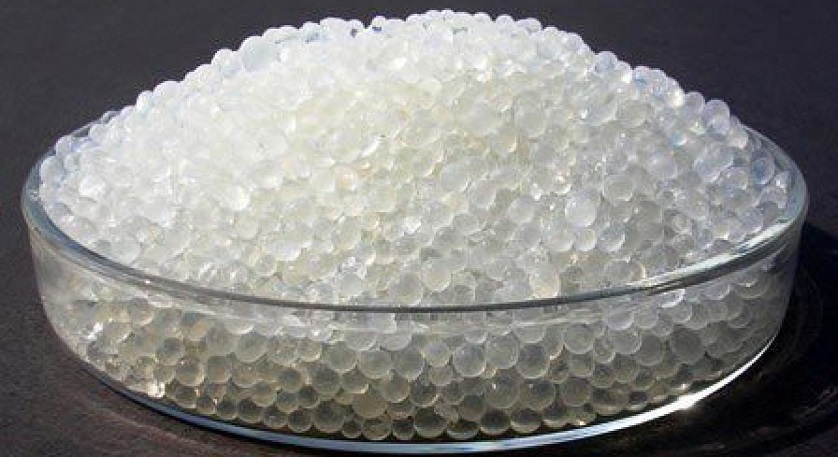
- Leave it on the battery for 3-4 days. There's no need to wait that long; the moisture will be removed from the device within 3-4 hours. In any case, this is ineffective, as the contacts will remain oxidized and will cause a short circuit when plugged in. Without checking the "insides" of the charger, drying is useless, since it does not guarantee anything, but only delays the inevitable.
- Soaking the battery in rice or silica gel is doubly pointless. Firstly, you'll waste your time and food (the battery will dry out faster if you soak it). Secondly, you'll only remove the moisture, leaving the contacts just as damaged.
You can't save a wet charger with rice, a battery, a hair dryer, or silica gel—those methods don't work!
- Dry with a hair dryer or fan. No drying device can fix the problem of oxidized contacts. Worse, rapid artificial drying will only make the situation worse, as the components will become more oxidized and increase the risk of short circuits.
Drying alone won't save a washed charger. It's better not to waste time and immediately disassemble the device, inspect it, and treat it with alcohol or acetone.
Interesting:


3 reader comments
Add a comment
Headings
Washing machine repair




For buyers




For users


Dishwasher




I washed some clothes with my phone charger in the washing machine on a 1000 RPM spin cycle, then placed them on the radiator for about half an hour. My son plugged it in—it worked. The charger, of course, is original, so maybe that's why it didn't break.
Thank you very much, very clear, simple and understandable.
I also got the charger in my washing machine. After four days of drying on the battery, I plugged it in and it works.