
How to wash a raincoat in a washing machine?
 How to wash a raincoat in a washing machine without ruining it is a serious matter requiring thorough analysis. Like other outerwear, a cape is expensive and requires special care. Before throwing it in the washing machine, it's important to carefully examine the garment's label, prepare yourself, select the right detergent, and set the optimal washing cycle. All detailed instructions and tips from experienced homemakers are provided below.
Instructions for cleaning a raincoat in a washing machine
Always check the manufacturer's label first. Washing instructions depend primarily on the coat's material. Thus, lightweight fabrics such as cotton, linen and polyester are the most unpretentious and can be machine cleaned without any problems. Leather or wool items should never be loaded into the drum, otherwise they will be irreparably damaged. The label will also list all machine washing instructions:
- delicate mode with a temperature of 30-40 degrees;
- refusal of automatic drying;
- minimum spin or turn it off.
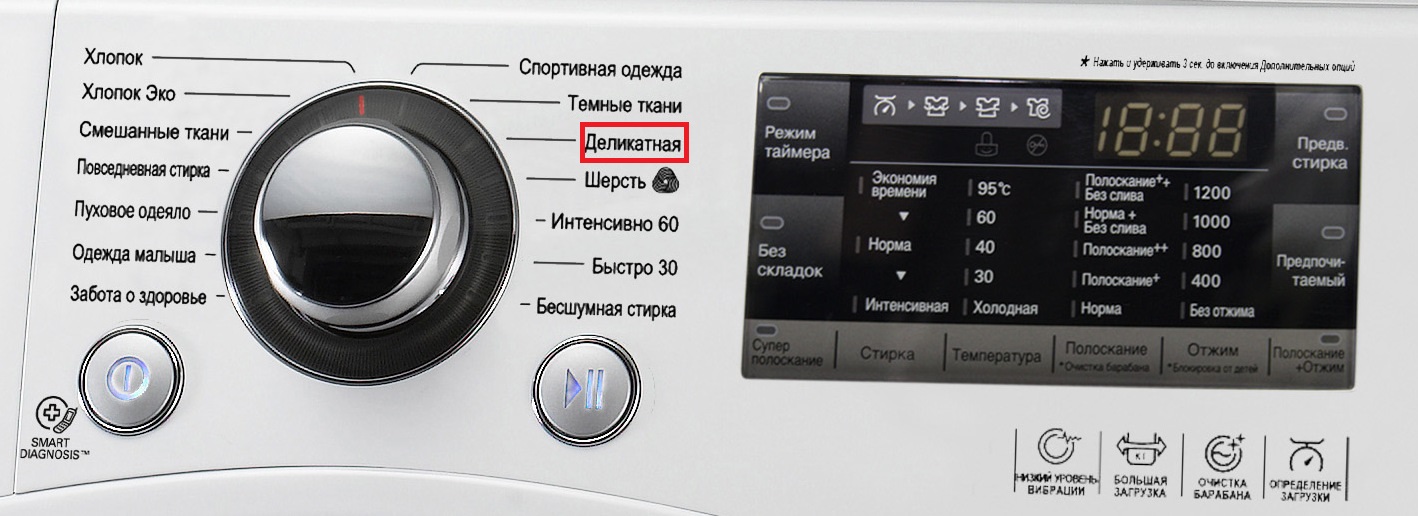
Once the machine has been set up, you can begin preparing the coat itself. Inspect it, brush it with a special roller, and, if necessary, treat any problem areas with a stain remover or soap solution. Don't forget to check all the rivets, fasten the buttons, and turn the garment inside out. Ideally, place the coat in a protective mesh bag, or, at worst, in a pillowcase or duvet cover.
Spinning and drying
Avoid using a spin cycle. Wringing is also prohibited, as delicate fabrics quickly become deformed and lose their original shape. It's best to rinse the raincoat by hand, adding vinegar or a gentle fabric softener to the bath. Next, lightly press the material, let the water drain, and hang it on a hanger directly over the bathtub. Don't forget to straighten the garment, removing any wrinkles or creases.
Finish drying naturally in a ventilated room, on the balcony, or outside. Make sure the washed item is not exposed to direct sunlight. There's no need to remove the cape from its hanger—by hanging it vertically and regularly straightening and stretching it, it will retain its original appearance.
If creases and creases are unavoidable, you can use a steam generator, a steam iron, or a regular iron. Just remember the ironing rules: preferably vertically, and use a temperature setting with a maximum of 100 degrees Celsius for polyester and 200 degrees Celsius for linen and cotton. To reduce the risk, iron only from the inside out and through a damp cloth.
Follow the basic rules
Before you start washing your coat, it's worth familiarizing yourself with a few basic rules for caring for it. They're simple, but essential to remember.
- Coats made of natural silk, wool, viscose, and nylon will not withstand the washing machine. They should only be hand washed and hung to dry with towels.
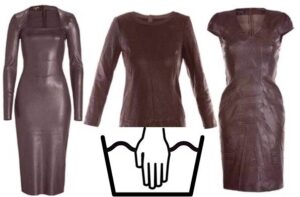
- Leather, suede, and fur-trimmed items are not machine washable; dry or dry clean only.
The information provided on the product's factory label must not be ignored.
- Don't skimp on laundry detergents. Choose gentle formulas that are free of chlorine, harsh chemicals, and abrasives. The optimal choice would be soft, gel-like textures developed specifically for the type of fabric.
- The "accessories" - belt, collar, hood, trim - are washed separately.
- Preliminary dry cleaning is required, as well as local removal of stains or dirt.
- The raincoat is washed separately from other items.
- The maximum temperature of 40 degrees should not be exceeded.
- To avoid streaks, rinse the cape thoroughly, changing the water at least 3-4 times.
- Avoid using artificial heat sources, radiators, heaters, or fans when drying. Direct UV rays are also contraindicated for delicate fabrics.
It's also important to monitor the washing process and make adjustments if necessary. For example, if a raincoat has lost its original color after being washed in the washing machine's drum, it's best to try restoring it. Mix two tablespoons of 9% vinegar with half a cup of water, soak a sponge in the solution, and gently wipe the material. As a preventative measure, add acetic acid immediately during the rinse cycle—this will make the color richer and more vibrant.
The nuances of cleaning raincoat fabric
Raincoats are most often made from raincoat fabric, so let's take a closer look at this material. It's a dense, matte, opaque fabric that can withstand both hand and machine washing. However, there are a few caveats.
- Pay attention to the quality of the dyeing. If there are no concerns, set the water temperature to 40 degrees Celsius. For items with seemingly unreliable dyeing, reduce the maximum temperature to 25 degrees Celsius, otherwise the structure will delaminate and the color will fade.
- Avoid unnecessary handling. Machine spinning is prohibited, as is even gentle hand pressing. Avoid wringing or rubbing the fabric, as this will cause creases, folds, and wrinkling. Simply rinse the item and allow the water to drain freely from the fibers.
- Dry vertically and naturally. The standard requirements apply here: place the item in a well-ventilated area or outside, hang it on a hanger, and remember to straighten it out.
We also pay close attention to ironing. Manufacturers generally prohibit straightening fabric with a hot iron. However, occasional exceptions are permitted, though only when steaming from the inside at low temperatures.
We'll wash it by hand.
Although most raincoats can withstand tumble washing, hand cleaning is still a better option. By using your hands, you can reduce the risk of material deformation, especially when it comes to the most delicate fabrics. But it will require significantly more effort and time. Hand-washing raincoats is done like this:
- the bath is filled with water at 30-35 degrees;
- the detergent is diluted in water;
- the item is immersed in the solution and rinsed lightly;
- the water drains, and the raincoat remains on the bottom for 20-30 minutes;
- the bathtub is filled and vinegar or rinse aid is added to the water;
- the product is rinsed.
Rinsing is repeated several times to ensure complete washing of the gel from the fabric fibers.
Drying is an interesting process. The washed cape is wrapped in a terry towel and left to absorb moisture. The base is then replaced with a dry one, after which the cape is laid out flat on a drying rack or table in a well-ventilated room.
Cleaning stains
Dry cleaning is considered the safest method. At home, it's done like this:
- grated soap is dissolved in water;
- a sponge is dipped in the resulting solution;
- contaminated areas are treated;
- The raincoat is wiped with a clean damp sponge and dried.
Heavy stains require a solution of ammonia and vinegar. Talcum powder, potato starch, or salt can also be sprinkled on the stain. Leave the cleaner on the fabric for 1-2 hours and then brush it off.
Interesting:




Readers' comments
Headings
Washing machine repair




For buyers




For users


Dishwasher




Add a comment