Almost everyone's wardrobe contains clothing made with synthetic padding. This filling is excellent for retaining heat, is durable, practical, and affordable. However, even this versatile insulation can be damaged if basic care instructions are not followed. Problems typically arise when washing in a washing machine. Let's learn how to machine wash synthetic padding to preserve its properties and shape.
Choosing a care method
Synthetic-filled clothing is quite bulky. This is why many housewives are skeptical about hand washing—moving around a heavy, wet down jacket is far from a pleasant prospect. Check the product label - if the manufacturer allows you to load the item into a washing machine, then feel free to use the washing machine.
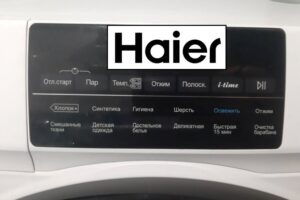
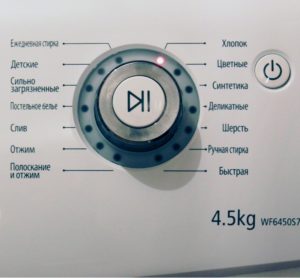
To choose the right cycle, check the care label to determine the fabric of the garment's outer material. For example, if it's bologna or nylon, use the gentle, delicate cycle. Synthetic fabrics should be washed using the "Synthetics" cycle. Hand washing is the safest method. Therefore, if in doubt and you don't have the care label handy, it's best to wash the garment in a basin.
Automatic care
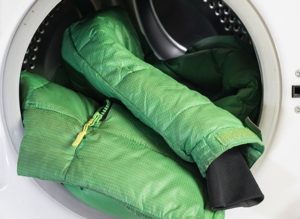
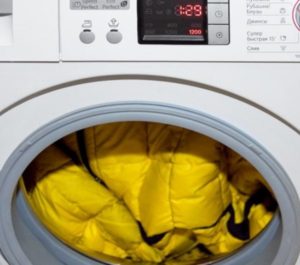
Modern laundry equipment makes life much easier. Now you can refresh almost any item with minimal effort. If the item is labeled accordingly, you can safely load it into the washing machine.
Synthetic padding is not afraid of moisture, so if you choose the right washing machine mode, the item will not be damaged or deformed.
What recommendations should be followed:
It's important to determine the appropriate water heating temperature. Synthetic padding won't tolerate hot water, as it can warp the insulation. Ideally, the temperature should be no higher than 30-40°C.
It is advisable not to wash several bulky items at once in one machine cycle;
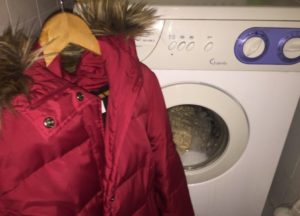
If possible, you should remove decorative elements from the product: fur collar, inserts, leather elements and wash them by hand;
Do not soak synthetic padding items. The filling will not withstand prolonged soaking; the material will clump and lose its properties;
Load the item into the drum correctly. All the pieces of the down jacket should be carefully arranged inside, rather than stuffed into a solid lump;
It's recommended to use special spiked balls for machine washing. They will straighten the garment during the cycle and help remove stains better. Regular tennis balls can also be used if you don't have any on hand.
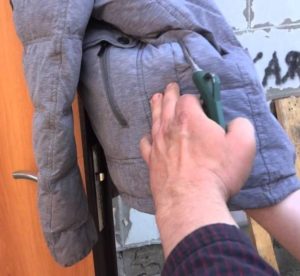
If you can't avoid clumping, don't worry. You can straighten the padding by hanging the item and tapping it with a special carpet stick. You can also smooth out the padding by hand, using your fingers to loosen any lumps. If these steps don't help, you'll have to send the item to a tailor for a complete replacement of the inner padding.
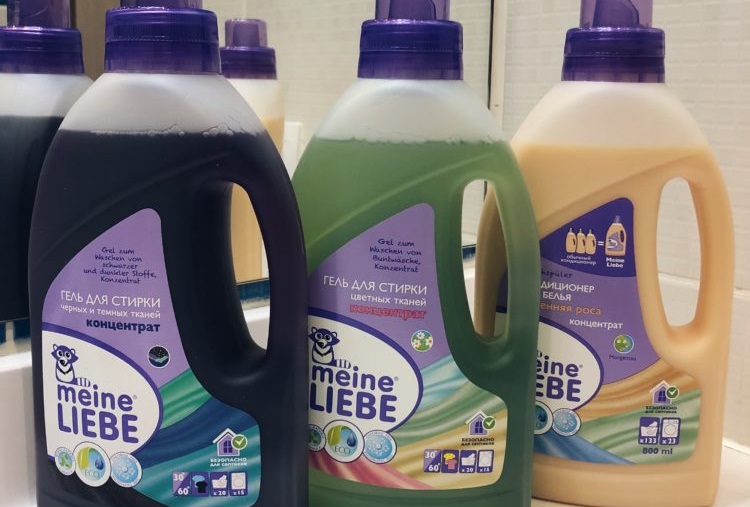
When cleaning synthetic-filled garments, it's important to use specialized detergents. These detergents are gentle on the synthetic fiber, rinse well, and leave no streaks.
Traditional method of cleaning
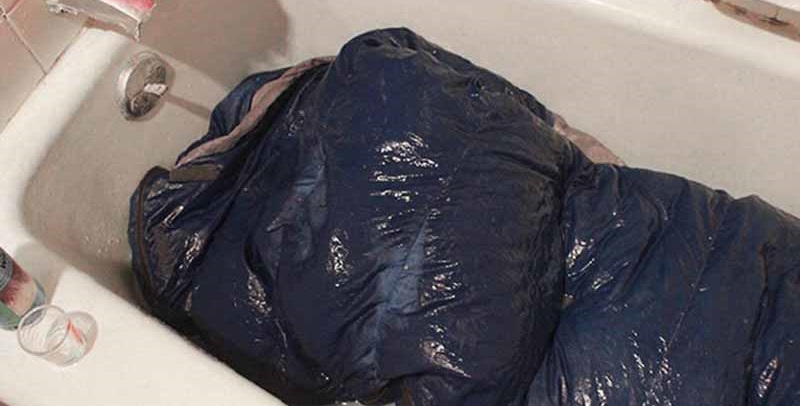
If you're worried about damaging your item in the washing machine, or if the manufacturer is categorically against this cleaning method, you'll have to do it the old-fashioned way. The procedure for hand washing is as follows:
Inspect the item. If there are stubborn stains, pre-treat the soiled areas;
Fill a basin or bathtub with cool water (no more than 40°C), dilute the detergent;
place the product in a soap solution;
treat the surface of the item with a soft brush or sponge, you can lightly crush the jacket with your hands;
Place the clothes on a rack above the bathtub to allow excess water to drain;
rinse the down jacket (pillow, blanket, etc.) several times;
let excess water drain.
Drying options are also indicated on the label. The manufacturer may recommend drying the item flat or vertically. In the former case, lay the item flat on a level surface and turn it over periodically; in the latter case, hang it on a hanger or clothesline. Dry the garment in a well-ventilated area.
Choosing a detergent
The delicate cycle of the washing machine requires the use of gentle detergents.The palm of primacy is given to gels and liquid powders - they dissolve faster in cool water, rinse better, and do not leave streaks on the outer material of synthetic padding clothing.
It is important not to use aggressive detergents for washing, as they can damage the structure of the filler and lead to a loss of its properties.
If you're unsure about which household cleaning products to choose, check the label again. It's best to use liquid detergents, as the granules of dry powders can get stuck in the synthetic padding, causing the item to acquire a distinctive odor.
Why is synthetic padding so popular?
Synthetic padding is a versatile filling used not only for down jackets and coats, but also for bedding (blankets, pillows), tracksuits, workwear, and more. Synthetic padding can also be found in mattresses and upholstered furniture. Synthetic padding has several advantages over other materials:
lightness, excellent heat-saving properties;
accessibility;
elastic structure;
ability to dry quickly;
wear resistance.
Synthetic padding is hypoallergenic, has an attractive price, holds its shape well, and requires little care.
There's still a risk of the padding clumping. For this reason, some people avoid buying synthetic padding clothing. In fact, the problem isn't the padding itself, but rather improper care. If you know the basic rules and follow the recommendations, your synthetic padding will last for many years without losing its shape or warmth.
Don't neglect to read the product tag—it contains information about the type of insulation, care instructions, and the filler's temperature resistance. When choosing a cleaning method, be sure to follow the manufacturer's recommendations. This will ensure you can wear your favorite warm garments for a long time.

 Almost everyone's wardrobe contains clothing made with synthetic padding. This filling is excellent for retaining heat, is durable, practical, and affordable. However, even this versatile insulation can be damaged if basic care instructions are not followed. Problems typically arise when washing in a washing machine. Let's learn how to machine wash synthetic padding to preserve its properties and shape.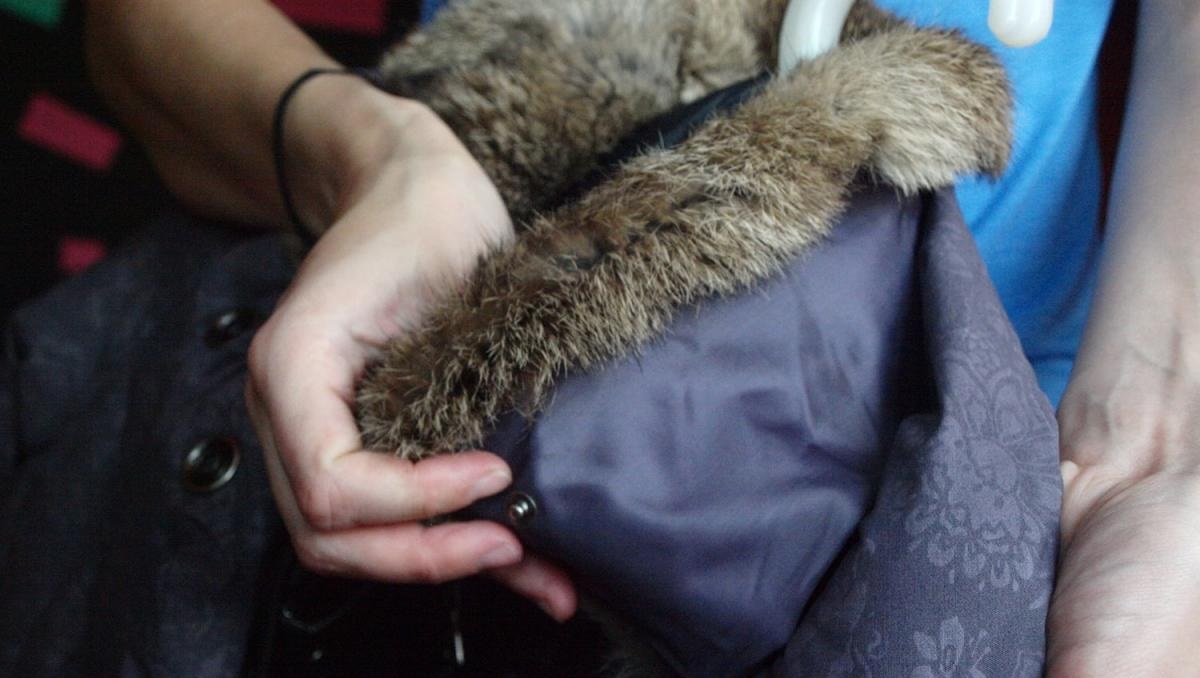















Add a comment