
Beko dishwasher won't fill with water
 If your Beko dishwasher isn't filling with water, don't call a service center; you can fix the problem yourself. In this case, you need to examine the dishwasher's design, learn about all possible causes, and then begin troubleshooting. Let's look at the most common problems that arise with this appliance.
The machine doesn't close well.
The first cause is not only one of the most common, but also one of the easiest to fix. It occurs when the dishwasher door isn't closed properly. This may have happened because the opening is blocked, for example, if the seal is knocked off, or perhaps the problem is related to the door lock. The procedure to follow in such a situation is as follows:
- we disconnect the “home assistant” from the power supply;
- we open the door and fix it in this position;
- We carefully examine both the serviceability of the lock and the presence of extra objects stuck in the doorway;
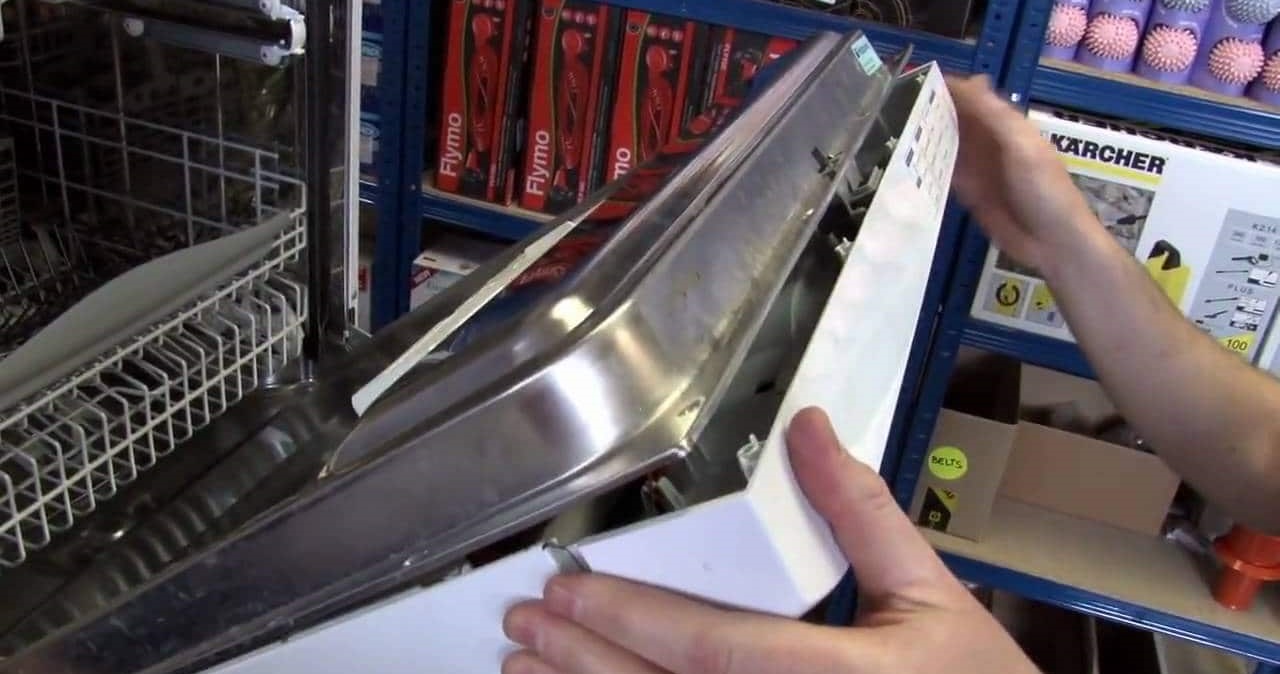
- Remove any unnecessary items from the opening, or if the problem is with the lock, replace it. For the second option, unscrew the two fixing screws, remove the damaged element, install the new lock, and secure it.
Don't buy a new lock until you've removed the old one to use as a reference, otherwise you risk buying the wrong part.
- The final stage is a test wash. We run any cycle and check that water begins to fill;
If after all the manipulations performed the device is still faulty, then another repair is required.
The leak protection has been activated
Aquastop is a technology that protects household appliances from leaks. It is installed on most modern devices, so there is a high risk that the problem is caused by it. The technology itself consists of two "gateways," one that allows liquid to enter the dishwasher, and the other that redirects it into the dishwashing process. There are different systems, each with a different design.
- Mechanical, when the operation of the sluices is influenced by a spring, which, in turn, depends on the water pressure.
- Absorbent, meaning the device contains a special material that expands in size after contact with water and blocks the liquid.
- Electromechanical, where a float is responsible for stopping the water, which only rises when the water level in the dishwasher rises.
All three types of Aquastop devices perform their functions perfectly, so there's no need to choose one specifically and avoid the other two. However, the procedure for replacement or repair will vary for each of the three.
- First, determine which version is installed on your device. You can find this in the device's data sheet, official instructions, or by searching online.
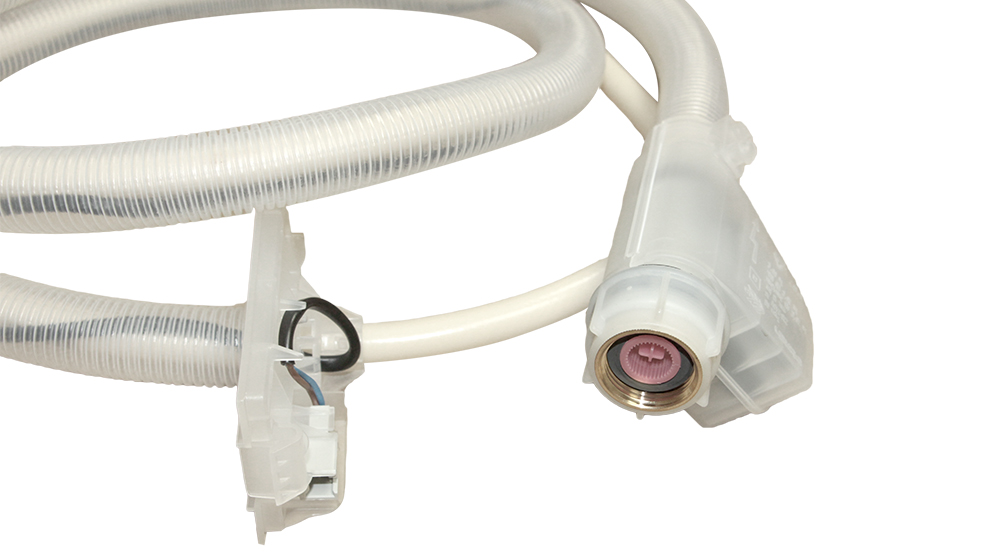
- If you have a mechanical system, return the spring to its original position by turning the latches.
- Once the absorbent aquastop is installed, you just need to wait for it to dry.
- The electromechanical element will need to be removed and replaced. To do this, first unplug the appliance and turn off the water, then unscrew the old hose and disconnect the plug, install the new one, and test the washer's functionality.
Beko appliances are typically equipped with the third type of Aquastop, so you'll need to invest in purchasing and replacing a new one. This isn't particularly difficult, especially if you do it yourself, but it's an expensive repair.
The inlet filter element is clogged
Another common problem is the poor quality of tap water. In many regions of Russia, the water in the pipes is already extremely hard, and due to rusty, long-unmaintained pipes, the liquid enters people's homes along with various waste.
For this reason, household appliance manufacturers use special filters to prevent mechanical impurities from entering the water, which can damage complex appliances. If the water supply stops completely, or the flow is reduced, and a strange humming noise occurs, the filter may be clogged.
What to do in this case?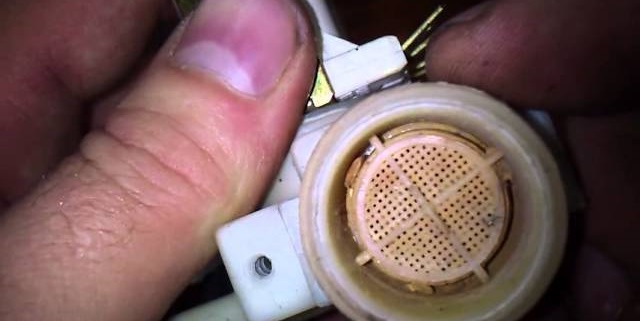
- Disconnect the dishwasher from the water supply.
- Remove the filter located on the hose where the water enters the machine. The filter looks like a small mesh inside the hose.
- Rinse the mesh thoroughly under running water until all dirt and debris are gone.
- Place the mesh back into place in the hose and screw the hose itself onto the device.
- Check carefully that the connection is tight and there is no water leakage.
- Run a test wash to check that the water supply problem has been resolved.
As you can see, cleaning the filter doesn't take much time and doesn't require any special knowledge or skills, so even a child can handle it. However, you shouldn't neglect this basic step, because if your water supply is hard, you need to clean the filter element regularly.
The fill valve is broken
A broken fill valve isn't easy to detect, but it's entirely possible if you have a multimeter at home. If the valve is damaged, the part is often irreparable and requires replacement. What's the correct way to do this?
- Disconnect the machine from water and electricity.
- Remove all screws holding the outer door panel in place and then remove it.
- Disconnect the wires and remove the control panel.
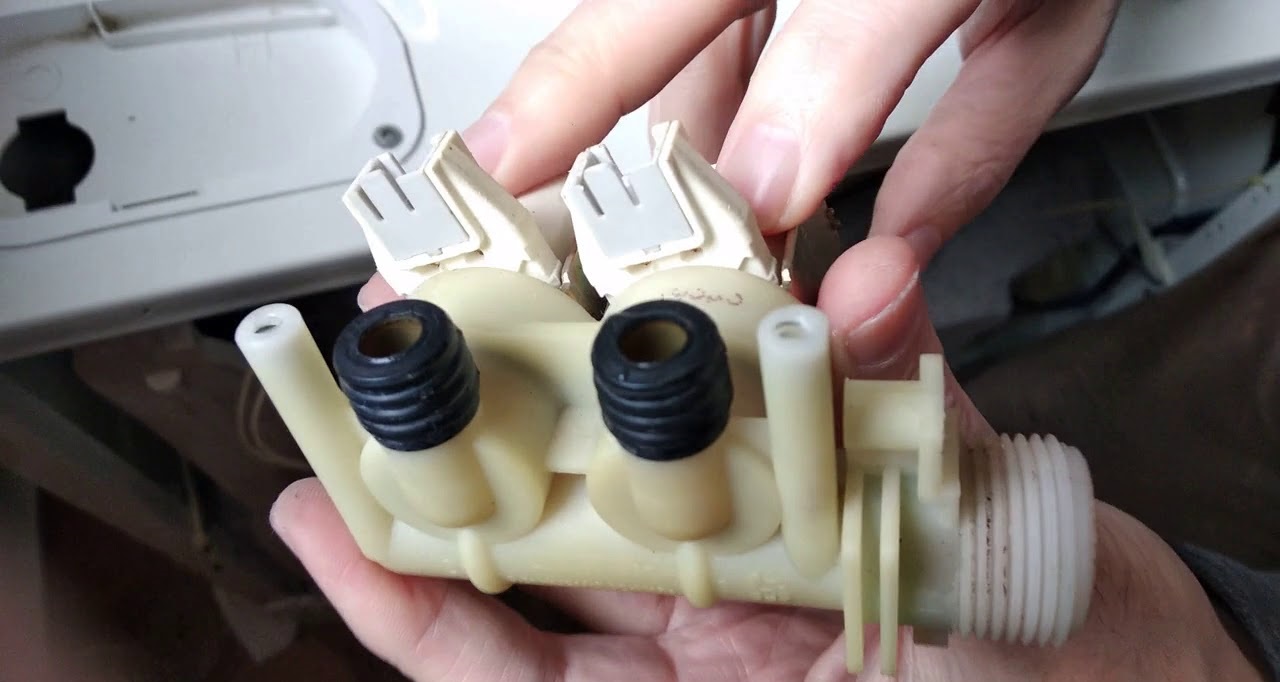
- Then you need to detach the lower access panel together with the impact panel, having first removed the retaining screws from them.
- Now you need to unscrew the water supply line from the inlet valve, for which you will have to use a wrench.
- Using pliers, remove the mounting clamp from the valve, disconnect the wires, and then remove the damaged valve itself.
Before disconnecting the valve, it is best to take a photo of how it should be installed in the equipment, so that you always have an example of the correct connection at hand.
- Once you have a sample of the part in your hands, you can go for a replacement.
- The element is installed into the equipment according to the instructions in reverse order.
After all the steps, the functionality of the household appliance is checked with a test work cycle.
The water level sensor is out of order.
Another possible problem that produces similar “symptoms” is considered to be damage to the pressure switch. When it fails, the machine stops filling with liquid completely, since the water level sensor does not transmit a message to the equipment that the tank is empty and needs to be filled with water. Unfortunately, it's not always possible to repair a pressure switch, so you'll have to purchase a replacement. What should I do to install a new sensor?
- The first standard action is to disconnect the device from all communications.
- Next, you need to lay the device on its side.
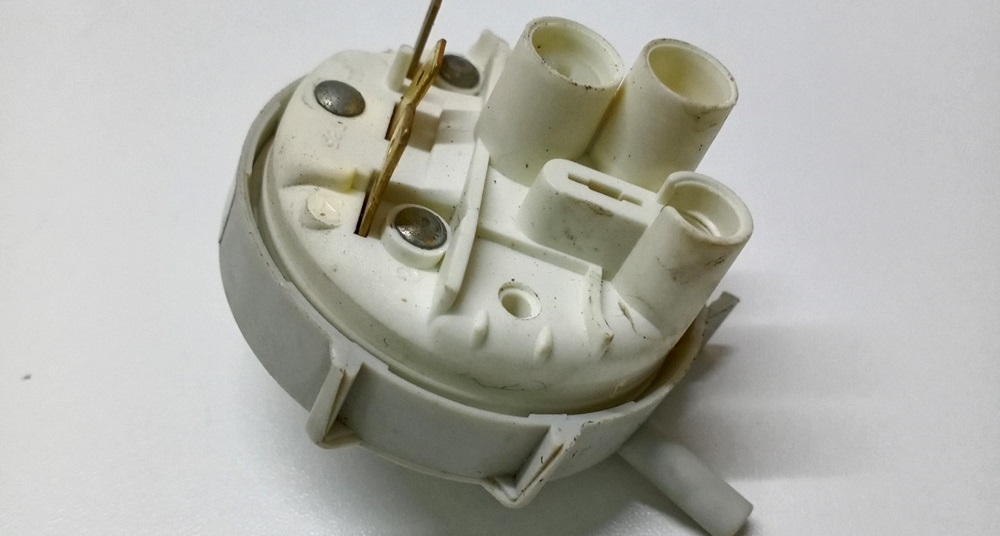
- We remove the bottom cover and look for the pressure switch, which looks like a small plastic box with a tube connected to it.
- We disconnect the tube and unscrew the screws that prevent the sensor from being removed.
- If debris and various blockages have accumulated on it, they must be removed, and then the resistance of the element must be checked with a multimeter.
- The device is in order if the meter actively signals the presence of resistance, but if the device is silent, the pressure switch is broken.
- Purchase a similar replacement model and then install it according to these instructions.
After all these steps, your "home assistant" should start working properly again. Beko appliances aren't very difficult to repair yourself; the key is to know what exactly is broken. To do this, always check the most common faults first to quickly identify the problem and save time on diagnostics.
Interesting:
Readers' comments
Headings
Washing machine repair




For buyers




For users


Dishwasher




Add a comment