
Bosch dishwasher not filling with water
 Despite the high quality of modern household appliances, any device can malfunction over time. If your Bosch dishwasher isn't filling with water, the cause is likely an E3 error, which your "home assistant" will display shortly after the problem occurs. This is a very common problem encountered by homemakers, so it's well-studied. Let's explore why this happens and how to fix it yourself.
Let's make a list of possible problems
If your Bosch dishwasher is humming and not filling, there could be several possible causes. You should always start with the most basic and common causes, gradually moving on to more complex and uncommon ones.
- Make sure your water supply has not been shut off.
- Check the water inlet valve to see if it is closed.
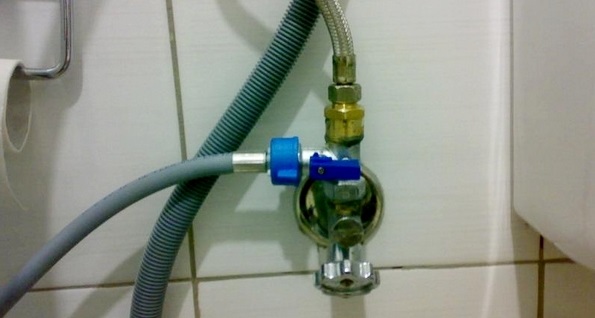
- Make sure the wash chamber door is securely closed. It must be sealed with an electronic lock, otherwise the water will not fill and the wash will simply not start.
- If the problem is really with the door, which cannot be closed, then this may be due to damage to the lock, or due to foreign objects getting inside.
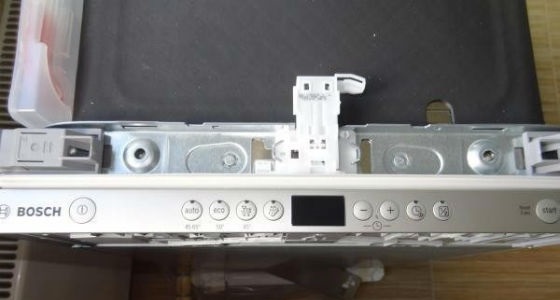
- Inspect the inlet hose to ensure it is intact, not pinched or clogged anywhere.
If none of the five causes described above are identified, a more complex investigation will be necessary. This requires examining the PMM components.
- The problem may lie with the inlet valve, which opens and closes the membrane upon signal from the control module. If the valve is faulty, the membrane will remain closed, and water will not flow into the dishwasher.
- Damage to the pressure switch will also prevent the "home assistant" from functioning properly. This water level sensor measures the amount of water in the tank and transmits data to the control board. If there's no data, there will be no signal to supply water to the tank.
- The electronic module itself, the “brain” of the dishwasher, responsible for transmitting commands to all elements of the device, could have failed.
- The malfunction could also have occurred due to the activation of the Aquastop protection system.
There are many possible causes of the malfunction, let's proceed to a thorough analysis of each of them.
Impurities in the water have clogged the tract
One of the most common reasons for a lack of water intake is due to a clogged mesh filter in the machine. This happens because tap water is filled with various impurities and contaminants, which clog the flow hose. After a clog forms, the Bosch dishwasher either won't work at all or only works with difficulty, as the water intake is minimal. What should I do in this situation?
- Turn off the water supply and unscrew the flow hose.
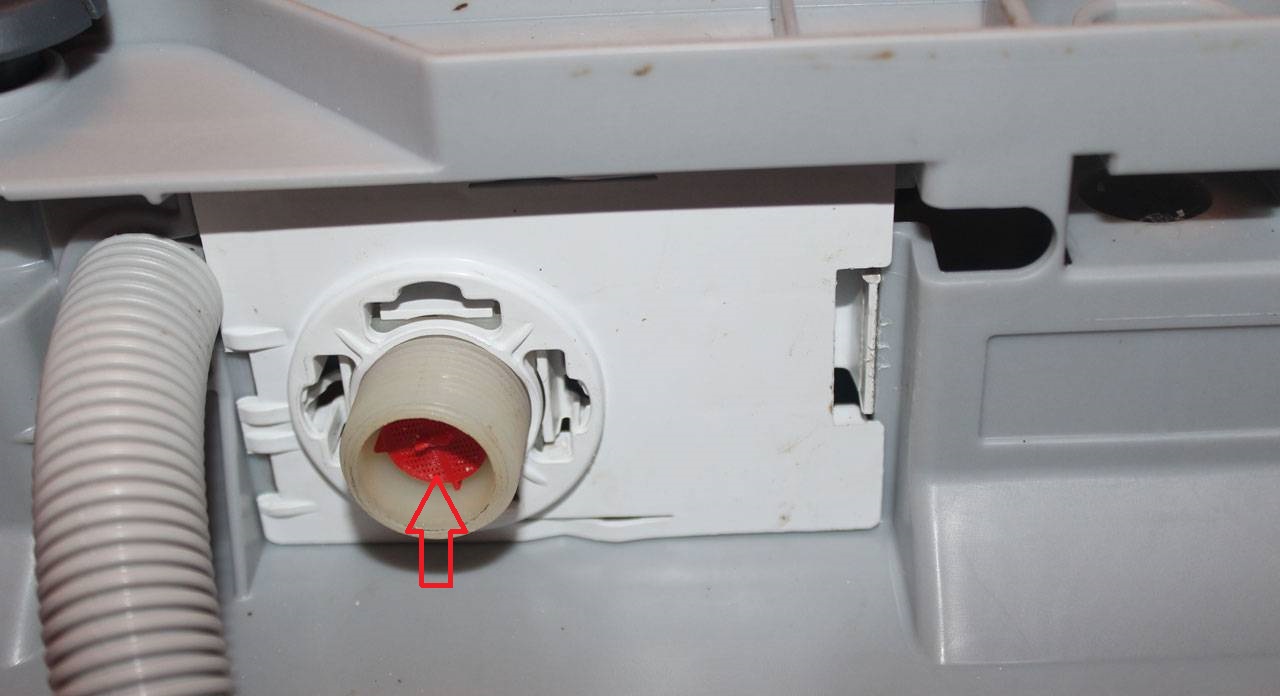
- Clean the mesh filter installed at the junction of the dishwasher and the hose.
Most often, the filter looks like a small mesh made of plastic or brittle metal.
- If the contamination is not severe, you can clean the element using a needle or toothpick, or by placing the part under a powerful stream of hot water from the tap.
If you can't clean the element yourself, soak it in a citric acid solution for several hours, which will definitely help with even the most serious stains.
Does the dishwasher close properly?
When your appliance hums loudly and doesn't fill, it could be because the door isn't closed completely. In this situation, you should carefully check to see if the door was left open accidentally or if something is blocking it.
- Assess the integrity of the rubber seal - is it torn, is there any cracks, does it prevent the door from fitting tightly.
- Make sure the door latch is not damaged. For the cycle to begin, the door must be closed until it clicks into place.
- Make sure that no foreign objects have entered the gap between the chamber and the door.
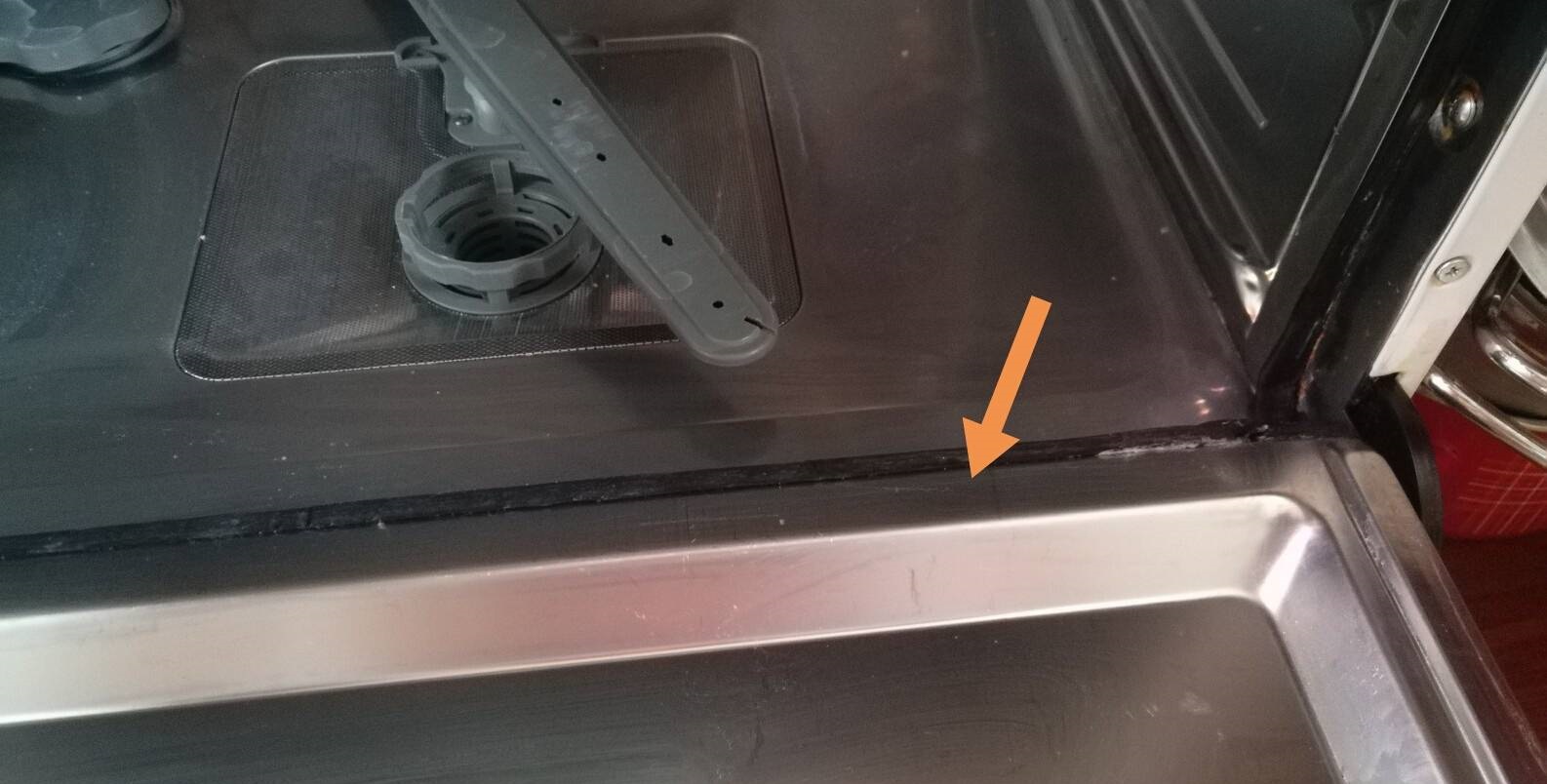
- Use a building level to assess the correct installation of your “home helper” – it must stand as level as possible.
- Check the lock mechanism to see if it is out of order.
If the problem is with the lock itself, there's no point in repairing it; you'll have to replace it. Follow our instructions to fix it yourself without calling a service center technician.
- Open the dishwasher door.
- Remove the bolts located on the inside of the wash chamber to remove the outer door panel.
- Disconnect all wiring.
Be sure to take a photo of the correct wiring connections so you have a reference for reassembly.
- Remove the lock after removing the fasteners.
- Install a similar new part in its place.
Completion of the repair follows the same instructions, but in reverse order.
The valve does not open
If previous checks have yielded no results, there's a high chance the water intake valve is at fault, as it's often the cause of a lack of fluid intake. The element should be carefully inspected for damage, and if everything is in order, its electronics should be checked. To do this, simply use a standard multimeter set to voltage measurement mode. If the membrane doesn't open, the component is damaged.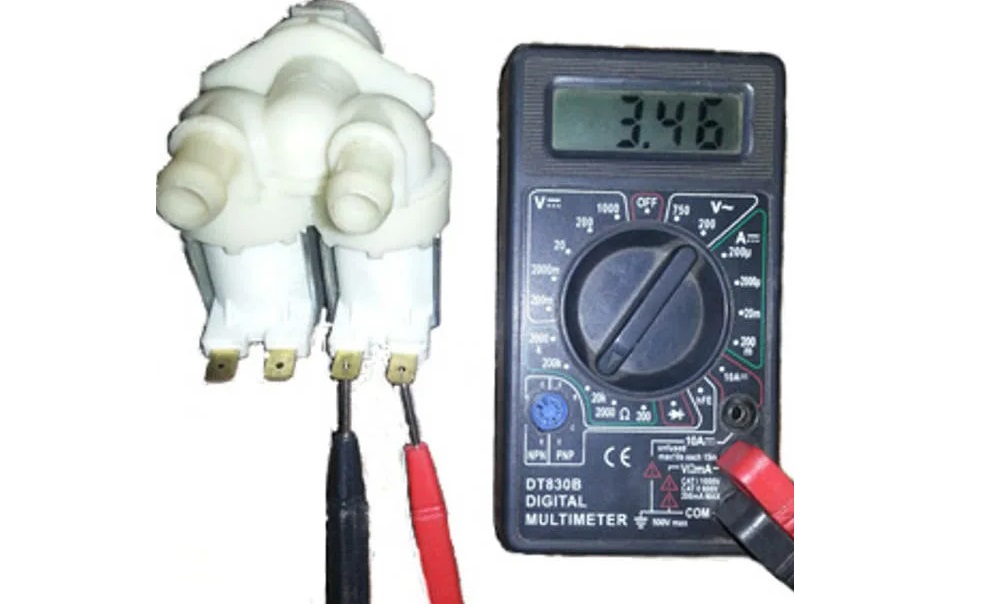
Next, you can check the resistance, which you can do with the same tester. If it's missing, the element's functionality won't be restored—it can only be replaced with a new one. How can this be done at home?
- Disconnect the wires from the valve.
- Unscrew the fasteners that hold the part in place.
- Install the new element into the seat.
- Connect all the wires using the photos taken earlier.
Try to purchase only original spare parts for your "home assistant" so that replacements do not affect the machine's performance.
The inlet hose is pinched
Another widely known problem is a pinched filling hose. This can happen accidentally, for example, when moving the appliance, as a result of which one of the dishwasher's legs could pinch the hose. The problem can be detected immediately if the inlet hose bursts and floods the floors. However, if the hose withstands this strain, it will directly affect water intake, which the homeowner will only notice during the wash cycle.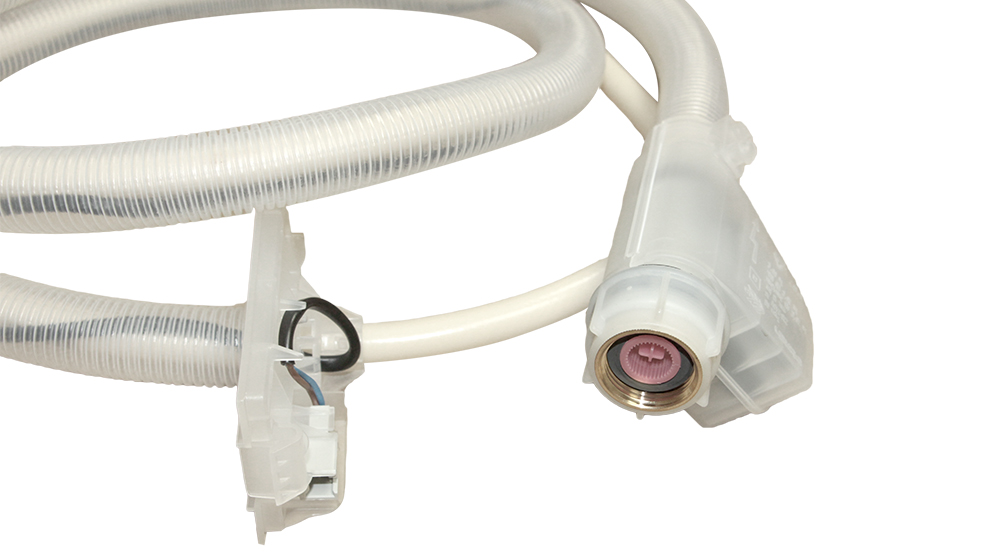
Sometimes this problem can occur after the hose is pinched by another appliance or kitchen cabinet. This is why it's important to pay close attention to the inlet hose and ensure the appliance is installed correctly.
The leak protection sensor has proven itself
This point should only be checked if your Bosch dishwasher has an Aquastop safety mechanism. It may have been triggered after detecting a leak, causing the float to rise and triggering the switch, which in turn blocked the water intake. If your appliance is affected by this issue, it will notify the user with the E15 error code. This can be corrected as follows:
- When the protection system is mechanical, you need to turn off the dishwasher, turn off the water supply and remove the hose;
- then you should inspect the inlet valve to make sure that it is not pressed against the walls of the hose;
- If this is the case, then the hose needs to be replaced.
If your "home assistant" is equipped with an electronic leak protection system, you need to connect the wire to the sensor and repeat the steps described to restore the mechanical Aquastop.
The pressure switch is not working correctly.
If the water level sensor is broken, liquid will also not flow into the dishwasher's drum. The same will happen if the pressure switch is malfunctioning. Don't try to repair this unit yourself—like many other components, it can only be replaced.
Most often, the sensor is located in a plastic box attached to the circulation pump body. To check, blow vigorously into the pressure tube and listen. If you hear a distinctive clicking sound, the element is OK. If there is no sound, the part needs to be replaced.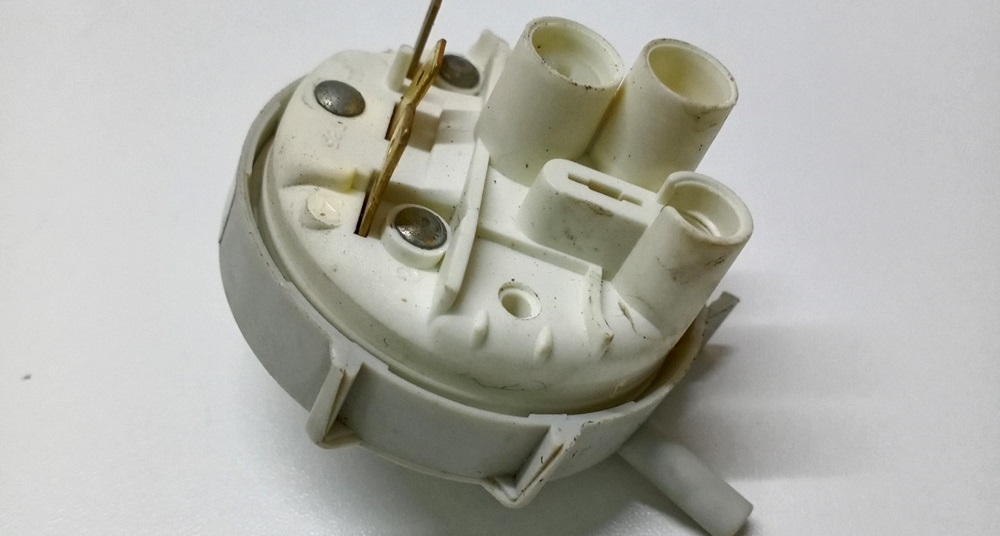
A more reliable check can only be performed by a service center specialist who knows how to properly check the pressure switch settings. This is especially important if repair technicians have previously worked on the water level sensor, which could have caused problems.
Is the tee tap intact?
A tee valve is most often installed in front of Bosch appliances. This valve allows you to shut off the water supply without affecting the water supply to the sink where the machine is connected. This is a very convenient solution, as you can easily disconnect and shut off the water supply to the machine without disturbing other faucets. The problem is that the tee valve often fails.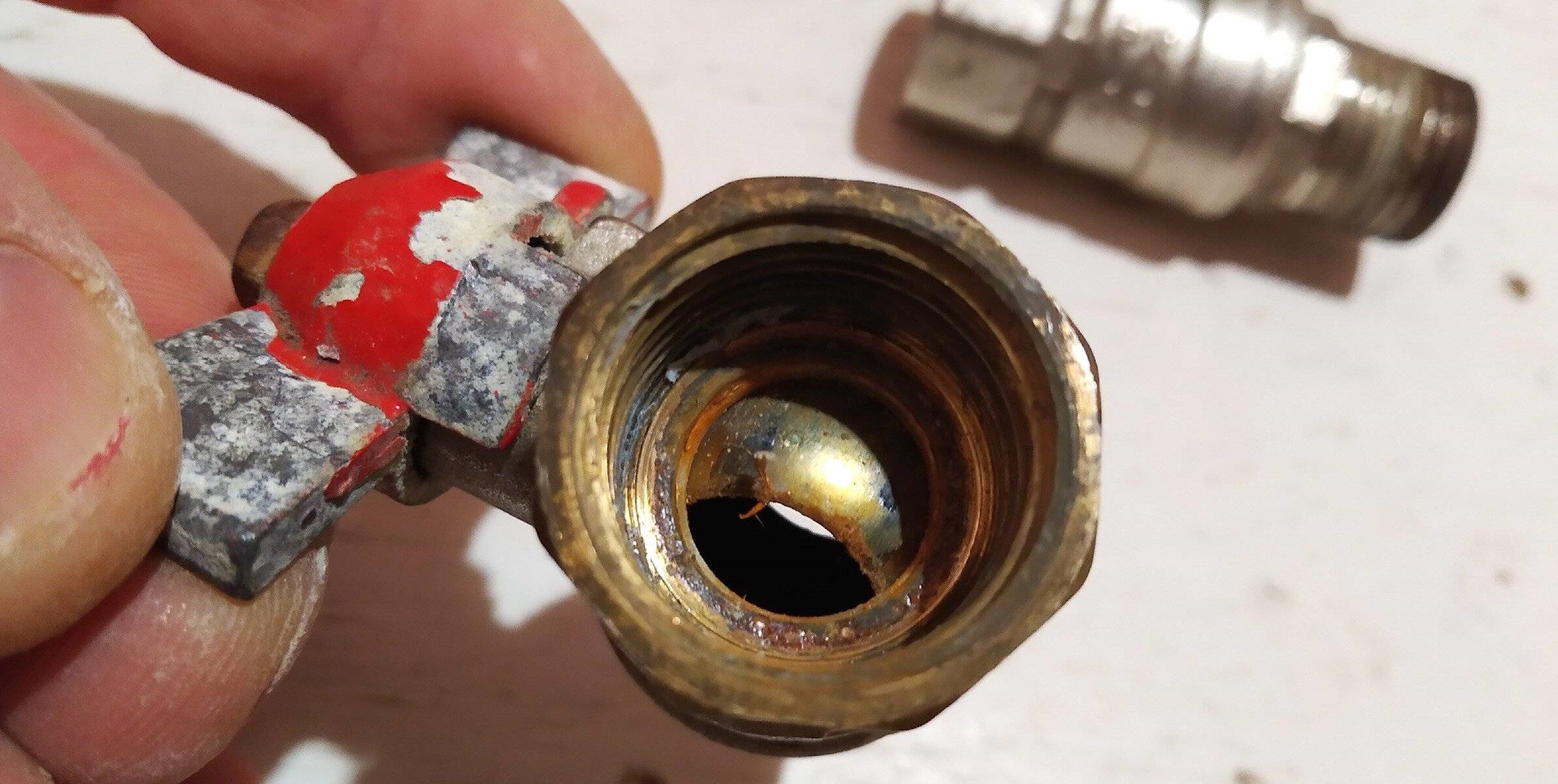
Damage to a part can be caused simply by turning the faucet handle incorrectly when shutting off the water supply. In this case, it will be difficult to detect damage, as the handle will continue to turn, but the faucet itself will remain closed. In this situation, it will seem as if the problem is anywhere but the tee, whose handle continues to turn smoothly. This happens very often, so don't rule it out.
Service your dishwasher on time
It's impossible to protect your beloved "home assistant" from damage, especially under heavy use. However, you can always reduce the risk of damage by following simple recommendations.
- Please follow the standard operating rules described in the official user manual.
- Install the equipment correctly.
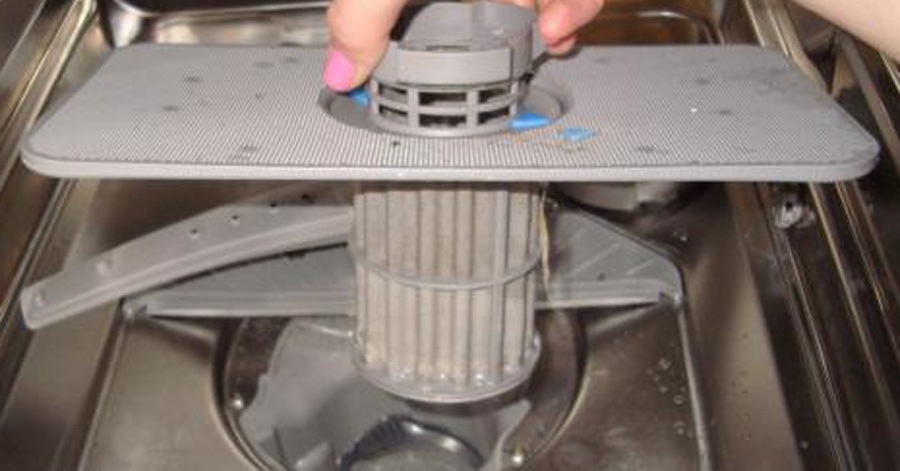
- Clean all its filters in a timely manner.
- Check the hoses regularly to ensure they are not kinked.
- Install a voltage stabilizer to avoid sudden power surges that can damage any equipment.
Take good care of your Bosch dishwasher and it will serve you well for a long time. And if something breaks down, don't despair—it might not be all that bad after all.
Interesting:

Readers' comments
Headings
Washing machine repair




For buyers




For users


Dishwasher




Add a comment