
Bosch dishwasher beeping
 If you notice your Bosch dishwasher beeping, immediately begin troubleshooting. First, rule out household causes, then technical ones. The beeping noise can indicate a variety of issues, from a clogged filter to a damaged control module. We'll explain how to check your "home assistant" and which components to focus on first.
What causes the squealing sound?
A beeping sound is not a good sign. On the one hand, it could indicate a simple user error, but on the other, it could indicate a serious malfunction. First, it's important to rule out common causes, such as improper installation, overloading the machine with dishes, or careless handling.
Another possible cause could be a poorly functioning electrical system. The dishwasher detects sudden voltage fluctuations or increases or decreases in current as a malfunction. The intelligent system immediately reacts to such incidents, displays a fault code on the display, and sounds an audible signal—that same beeping sound.
Another possible cause is poor tap water quality. Squealing noises during operation can occur if the water is very hard or heavily contaminated. Also, check the water pressure in the pipes—if it's low, the dishwasher won't appreciate it.
These problems should be ruled out first. If no such issues are present, the problem likely lies with a faulty component in the dishwasher. The most common causes of squeaking are:
- damage to the intake valve;
- clogging of the mesh filter located in front of the filling valve;
- burnout of the drain pump winding;
- drainage violation;
- incorrect operation of the aquasensor (a sensor that monitors the degree of pollution, turbidity and hardness of tap water);
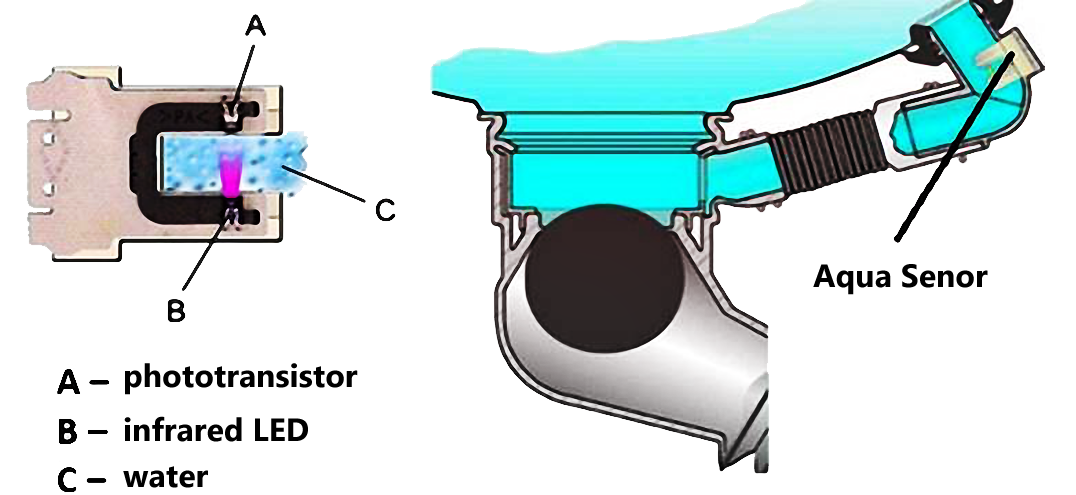
- heating element failure;
- clogged sprinklers;
- temperature sensor failure;
- damage to the UBL;
- loss of tightness of the working chamber due to wear of the sealing rubber;
- clogged trash filter.
A beeping sound when turning on may indicate damage to the main control unit of the dishwasher.
Control module failure is the most serious malfunction. It can be caused by power surges or firmware glitches. Semiconductor elements also oxidize when moisture gets on the board.
This way, the machine will beep when it detects any, even the most minor, problem. A dishwasher beeping is a signal that a malfunction has been detected in the appliance. So be patient and discard one possible reason after another.
How to troubleshoot the beeping sound?
Squeaking isn't usually the only symptom. A careful inspection of the dishwasher can reveal other signs of malfunction. The main ones are:
- after washing, there are stains, streaks, and traces of detergent left on the dishes;
- water stains are visible on the dishwasher body;
- the liquid from the washing chamber drains very slowly or does not go into the sewer at all;
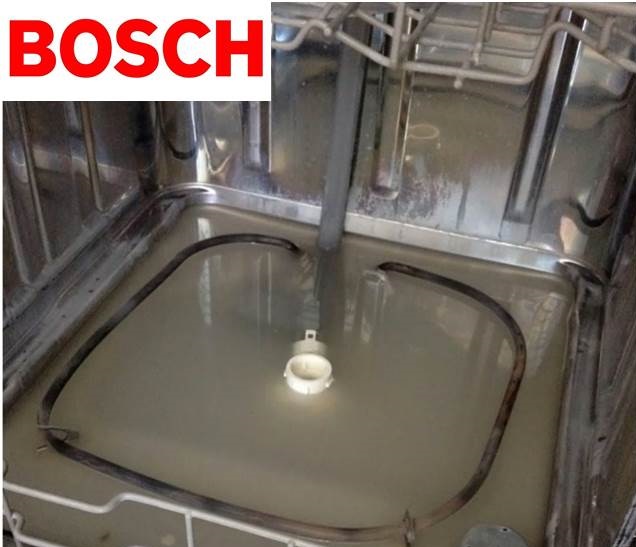
- the water in the working chamber does not heat up to the set temperature;
- a loud humming sound is heard during the process of liquid collection;
- When you turn on the dishwasher, all the indicators on the dashboard start flashing;
- The dishwasher cannot activate the wash or rinse program.
The error code displayed by the dishwasher helps to narrow down the range of possible malfunctions.
If your Bosch dishwasher is equipped with a display, then in most cases, along with the beeping sound, a code will appear on the display. The explanation of all errors is available in the dishwasher instructions. What symbols appear on the scoreboard most often?
- E1 or E11 inform about problems with water heating.
- E14 indicates that the water flow sensor is not working correctly.
- E15 indicates that the Aquastop system has been activated.
- E16 notifies about the arbitrary injection of water into the washing chamber.
- E17 – the machine cannot fill with water.
- E2 signals a temperature sensor failure.
- E21 indicates that the pump is not working properly.
- E27 indicates problems with external power supply or internal wiring.
- E5 notifies when the maximum permissible water level in the bunker has been exceeded.
By decoding the error code displayed by the washing machine, you can narrow down the possible malfunctions. Some codes indicate failure of various sensors, so you need to be more careful.
A service center technician can perform a more accurate diagnosis. Our specialists have the necessary equipment to detect hidden faults. There's no need to bring your appliance to a repair shop; dishwasher inspections are performed at your home and take about 20 minutes.
User's first actions
What should you do if your dishwasher starts beeping while it's running? Wait for the dishwasher to drain, then unplug it and remove any dishes from the dishwasher. After that, you can begin troubleshooting your dishwasher.
First, check the water pressure in the pipes, the electrical voltage, and whether the drain and fill hoses are kinked. Then, open the inlet valve located at the rear of the dishwasher. Clean the filter mesh.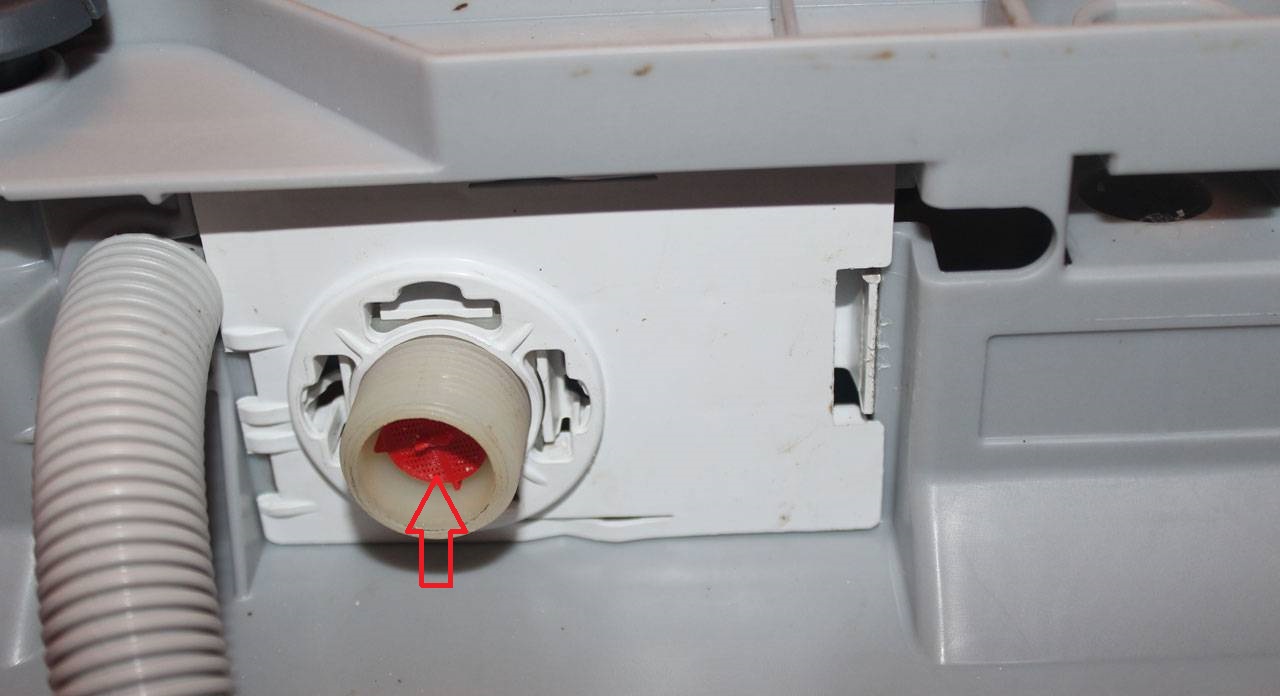
Inspect the machine for leaks. Open the door and make sure it locks properly. Clean the dishwasher's dust filter.
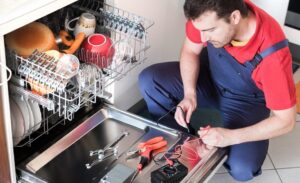
If these steps fail, a thorough dishwasher diagnostic will be required. If you don't have the necessary skills, it's best to entrust the work to a service center. A technician will perform high-quality repairs and restore your dishwasher to its original state.
The lock didn't work
If your dishwasher starts beeping a few seconds after starting a program, it's likely a problem with the door lock. When the lock fails, the system remains leaky and the intelligent circuit can't begin the cycle. Sometimes the door latch is damaged. If your dishwasher has a magnetic mechanism, it may be demagnetized.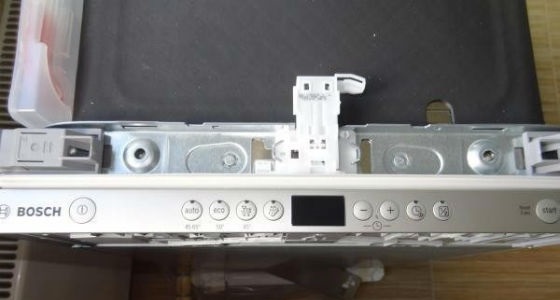
You can try repairing the mechanical lock, but technicians recommend replacing the mechanism immediately. It's best to install branded Bosch locks that are specifically designed for your dishwasher.
A leaky seal can be caused not only by a broken lock but also by a poorly maintained door seal. The rubber may crack, dry out, or, conversely, swell. In this case, the seal will need to be replaced.
Sometimes the problem isn't a defect, but rather a lack of proper maintenance. Dirt and food particles accumulate on the rubber seal, causing the door to not close properly. Cleaning the seal can help in this situation.
Thermistor is suspected
A faulty temperature sensor disrupts the proper operation of a Bosch dishwasher. A broken thermistor transmits incorrect readings to the control module. The control module, receiving incorrect information, triggers an audible alarm, alerting the user to the problem.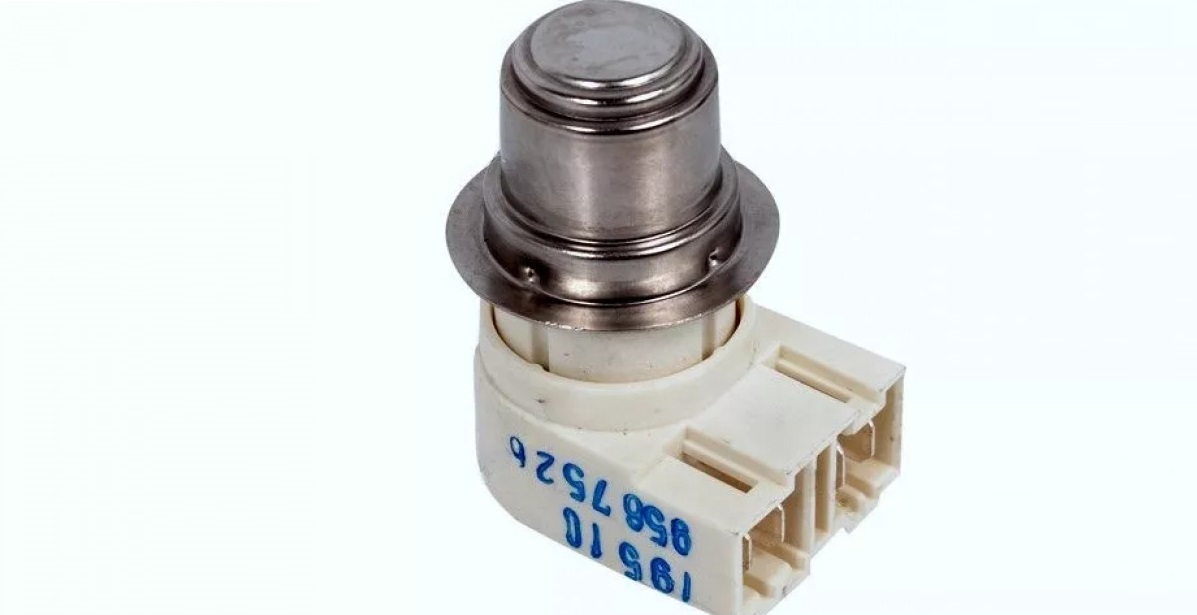
To access the thermostat, you'll have to partially disassemble the dishwasher. Diagnostics of the sensor are performed with a multimeter. A burned-out thermistor cannot be repaired and will need to be replaced.
Leak protection has responded
The Aquastop system, upon detecting excess water in the dishwasher, immediately shuts down the dishwasher. The appliance begins beeping. This may be triggered by either the sensor on the inlet hose, which will turn red, or by the float located in the dishwasher tray.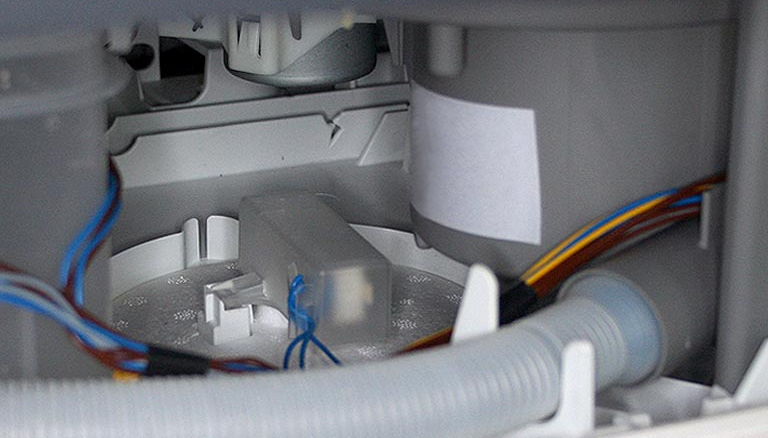
Inspect the inlet hose. If the indicator light changes color, the hose will need to be replaced. To drain the water from the dishwasher's tray, tilt the dishwasher back.
Sometimes the Aquastop system triggers a false alarm. This happens when the rubber seal in the inlet hose becomes dislodged. The machine then interprets the water flow entering the system as a leak and shuts off.
Leaks can have various causes, but they must be addressed in all cases. Water can leak into the tray due to a clogged waste filter, overfilling the bin, using low-quality detergents, corrosion of the working chamber, etc.
Heating element
If the water in your dishwasher remains cold, you need to check the heating element. Heating element failure is a fairly common malfunction. Its breakdown can be caused by:
- formation of scale on the body (the heating element suffers primarily from hard water);
- oxidation of tracks;
- burnout of the heating coil.
In Bosch dishwashers, the heating element is located in the same housing as the circulation pump.
If the problem is scale, you can simply clean the heater. Use specialized household chemicals for this. After removing the scale, test the heating element.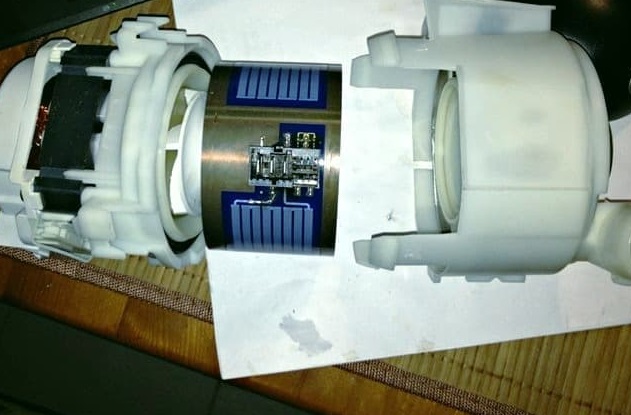
A heating element can also be repaired if the internal wiring contacts are oxidized. This will require cleaning the leads and re-soldering the tracks.
If the heater burns out, replacement is the only solution. In this case, repair is impractical. When purchasing new components, pay attention to the Bosch dishwasher model and the wattage of the factory heating element.
If the motor, recirculation pump, or control module is faulty, it's best to contact a Bosch service center. Troubleshooting complex problems requires a certain level of training, experience, and knowledge. Otherwise, you could only cause further damage to the machine.
Interesting:
Readers' comments
Headings
Washing machine repair




For buyers




For users


Dishwasher




Add a comment