
Candy dishwasher won't drain
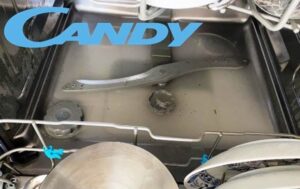 Dishwasher owners often encounter a situation where their dishwasher has finished washing dishes normally and is about to complete the cycle, but suddenly stops just before draining. Why does a Candy dishwasher fail to drain for no apparent reason? Sometimes the pump remains silent, while other times it continues to hum as if it's working and everything is fine. A lack of drainage could be caused by improper connection, a clog, or mechanical damage. We'll explain how to identify the problem, drain the water, and fix the issue below.
What is causing the lack of drainage?
First, let's list the main causes of drainage problems. Each of these issues can be resolved at home, so don't panic if your appliance experiences any of the following issues.
- The drain hose is kinked. Carefully inspect this long, thin part of the dishwasher; it may be kinked somewhere, or you may have inadvertently placed a heavy object on it, blocking the water flow. Straighten the hose, remove the heavy object, and check for damage. After all these steps, activate the drain function again to ensure the water is draining.
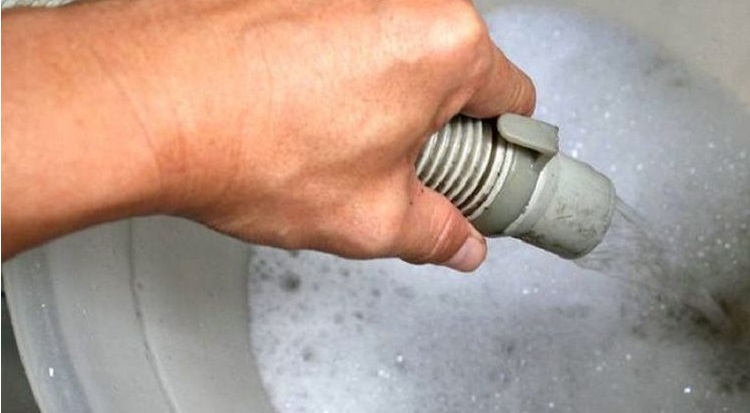
- The drain filter is clogged. This can be caused by food debris, trash, or broken dishes. To prevent this from happening to your appliance, clean the filter monthly to remove any foreign objects.
Never load dishes with food residue into the dishwasher, as it may clog the filter and cause the dishwasher to not drain properly.
- Clogged pump and drain hose. This can also be caused by debris, food residue, and other things that clog the pump and hose, causing water to accumulate in the tray and prevent it from draining.
These are the three most common drainage problems in modern dishwashers, which we will now address.
We will inspect and clean the dishwasher filter.
If you suspect a clogged filter, there's nothing to worry about; it's the easiest problem to fix. Simply perform the standard cleaning procedure, which is recommended monthly. To do this, first drain the fluid.
- Prepare a basin of water.
- Disconnect the hose.
- Activate the drain.
During this procedure, you can also inspect the pipe and drain for blockages. After draining the tank, you can begin cleaning the filter.
- Disconnect the machine from the power supply.
- Remove all baskets from the washing chamber.
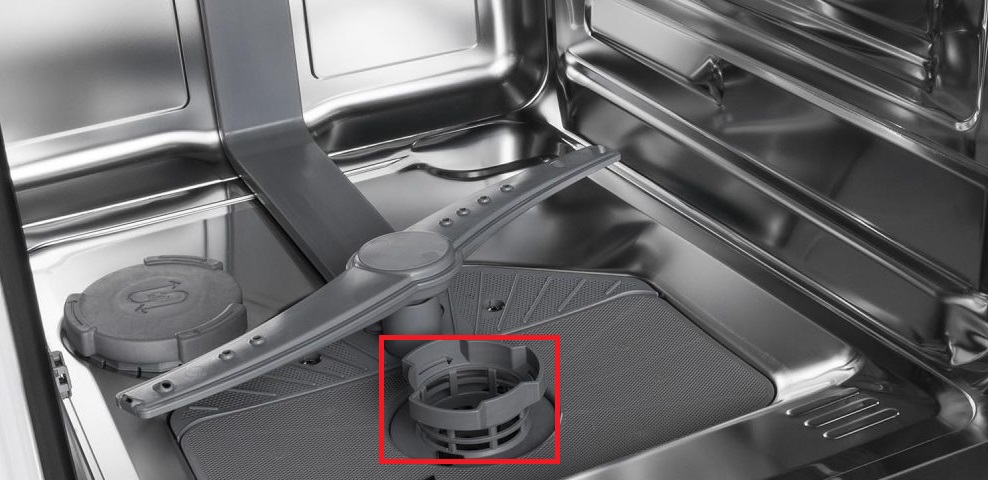
- Locate the filter at the bottom of the chamber and remove it.
- There is a mesh installed at the bottom, which also needs to be removed for further cleaning.
- Thoroughly clean the elements from debris and dirt using a soft brush and a powerful stream of hot water.
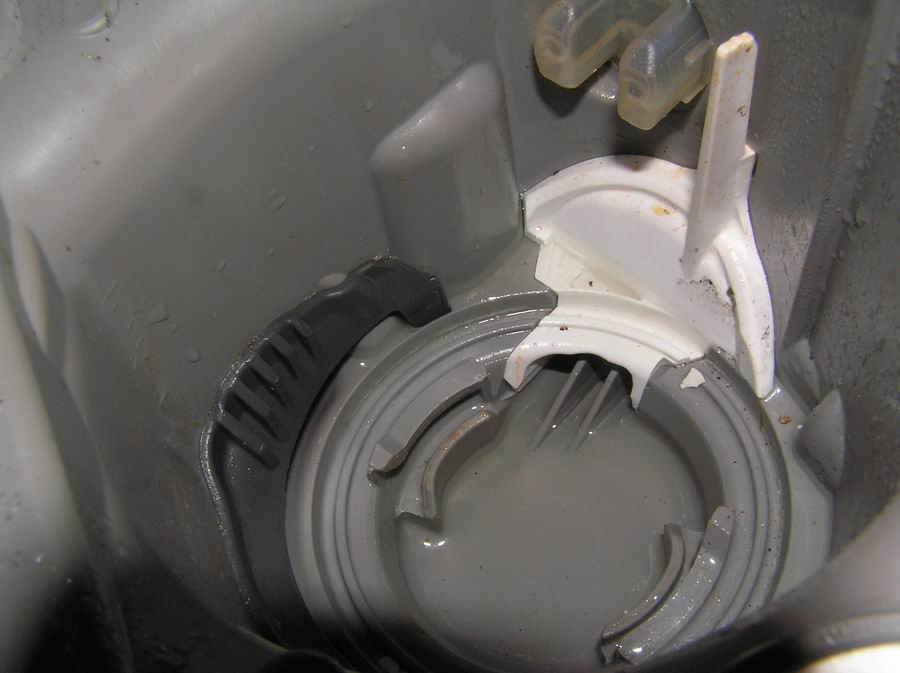
- Additionally, remove the pump cover and carefully inspect the impeller, as broken glass fragments may have gotten caught in it and blocked it. This pump cover may have a latch or screw.
Now all that's left to do is test the machine's operation after cleaning the filter. If the water still doesn't drain, move on to the next step.
The pump may not be working.
What should you do if the dishwasher's filter is fine, but the drain still won't work? The problem could be the dishwasher pump. It's not easy to access, as you'll have to partially disassemble the machine. However, this isn't difficult; a competent homeowner can easily fix it themselves.
- If the water has already been drained from the device, all that remains is to tilt the appliance slightly on its side to drain the last remaining liquid.
- Using a sponge, wipe the filter dry and remove all moisture from it.
- Place the "home helper" on the back wall.
- Remove the screws that secure the bottom cover.
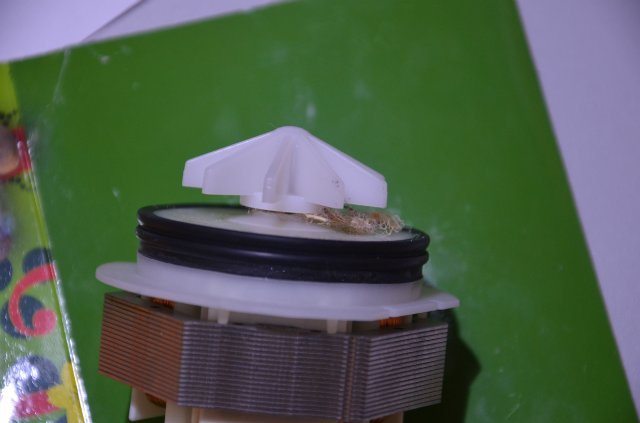
- Carefully detach the leak sensor attached to the bottom cover on the other side.
- Disconnect all wiring that is connected to the pump, and then remove the screws that hold the pump in place.
Be sure to take a photo of the wiring so that you have an example of how to properly connect the pump.
Testing of the part takes place in two stages. First, you need to check the impeller to see if it rotates properly, and then you should check the pump resistance using a multimeter set to ohmmeter mode. Attach the tester probes to the pump terminals. The reading should be around 200 ohms. If the reading is abnormal or the impeller isn't rotating, the element needs to be replaced. If the pump is simply clogged, remove all debris to resolve the problem.
The dishwasher does not recognize the amount of water poured in.
If both the pump and filter have been checked, but the drain still isn't working properly, you need to examine the pressure switch. This water level sensor is installed to transmit water pressure information to the control board. Based on this information, the control module decides whether to add, retain, or drain the water. Therefore, if the sensor is broken, the control board won't receive any signals and simply won't know to drain the water. To check, follow these instructions: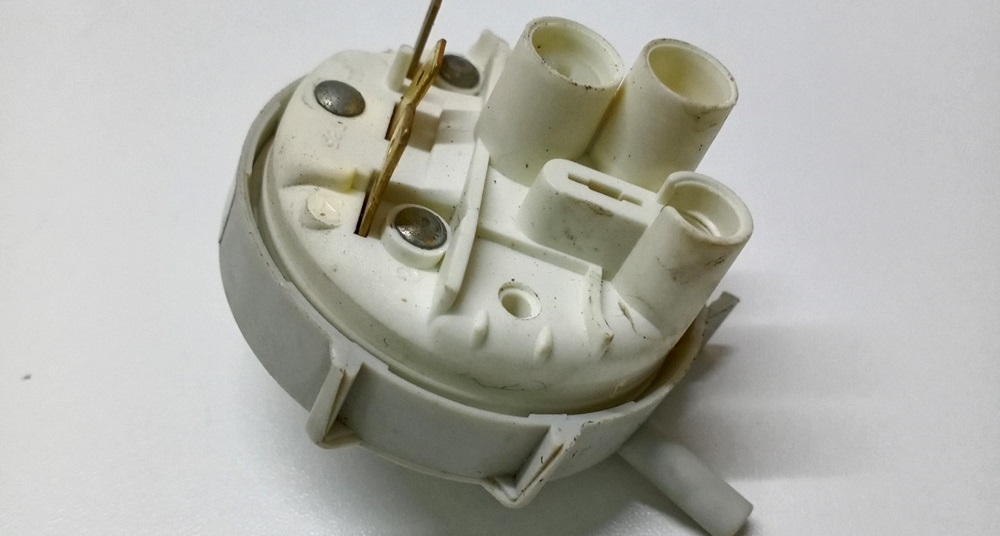
- The pressure switch, like the pump, is located under the bottom cover of the dishwasher. It looks like a small round plastic washer with a pressure tube attached to it.
- remove the tube using pliers, unscrew the retaining screws and pull out the sensor itself;
- Check the device with a multimeter and also inspect it for damage.
If the sensor is faulty, do not even try to repair it; it is better to replace it with a new part immediately. Well, if even with a new pressure switch the machine does not drain the water, then there is a high probability that a breakdown in the control board is to blame. Self-repair of this element is not recommended, so it is better to immediately call a specialist for diagnostics and repair.
Interesting:


Readers' comments
Headings
Washing machine repair




For buyers




For users


Dishwasher




Add a comment