
Electrolux dishwasher not heating water
 Don't worry if your Electrolux dishwasher isn't heating water. It's quite possible you can fix this problem yourself, without calling a technician or even replacing any parts. First, conduct a full diagnostic to identify the problem, and only then begin repairs.
Is it true that the dishwasher doesn't heat?
How can you tell if your dishwasher is no longer heating water? Perhaps the most obvious sign is dishes that remain coated with grime and a greasy film after a cycle, instead of being crystal clear. In addition to grease and grime, detergents, which should normally completely dissolve in hot water, also remain. In this case, household chemicals simply remain on the floor of the dishwasher because they weren't able to fully dissolve in cold water. Finally, the dishes should be warm after washing, so ice plates ensure that the dishwasher was run in cold water.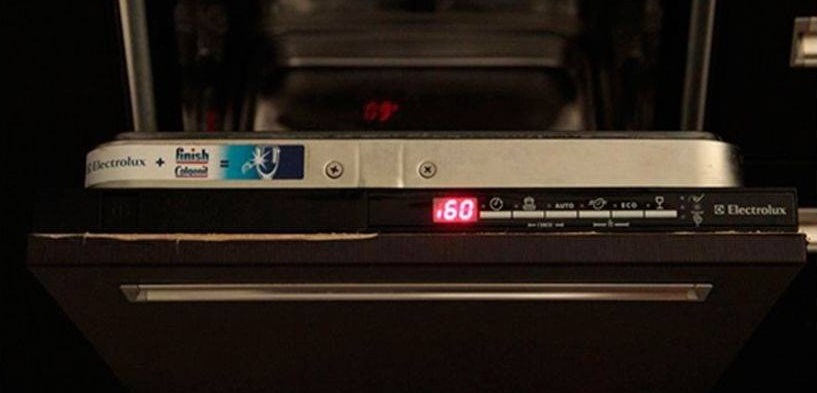
Modern Electrolux dishwashers make things even easier, as they feature a smart self-diagnostic system that detects problems and tells you the cause. When this happens, the machine's display will show an error code, indicating what needs to be checked and, if necessary, replaced. This is extremely convenient, as you don't have to waste time diagnosing every component of the appliance; you can immediately address the specific element.
What could have broken?
To find the cause yourself, you need to know exactly where to look—which dishwasher components are involved in heating the water? There are three main ones:
- electronic control unit of the dishwasher;
- water heating element (TEN);
- water temperature sensor.
First and foremost, it's worth noting the machine's control board, which controls the operation of your "home assistant." It's the control unit that commands the door to lock, fill with water, heat the liquid, and then initiate circulation. Each of these procedures may vary in duration and intensity in different wash modes, and some may even be omitted. However, if the control board is damaged, the listed functions may not work correctly or not work at all.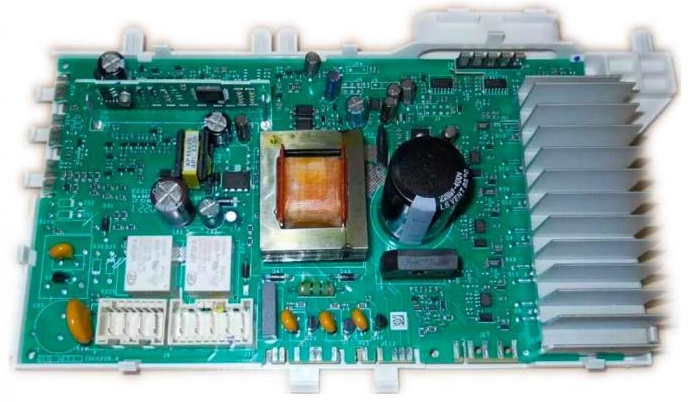
The heating element, activated by the control board, directly affects water heating. This problem can arise over time when hard tap water causes the heating element to become coated with limescale, causing the heating element to overheat. Prolonged operation in this mode, at its limit, inevitably leads to the filament burning out and the element itself failing completely. The heating element is the most likely to fail than other components that control the heating of the dishwasher's liquid.
The third component is the thermistor sensor, which transmits water temperature data to the control board. Based on this information, the appliance's electronics determine how much further to raise the water temperature, if any. Therefore, if the temperature sensor is damaged and either does not transmit information at all or sends incorrect data, the dishwasher's control module will register this and turn off the heating element. Now that all the possible causes have been identified, let's figure out what to do in the event of a particular malfunction.
It's all about the temperature sensor or heating element
If the temperature sensor is damaged, a modern Electrolux dishwasher will automatically notify the user, but if you have an older model, you'll have to troubleshoot the problem yourself. This diagnostic is possible if you have a standard multimeter with an ohmmeter function. To do this, access the temperature sensor and measure the resistance of the component. If the component is damaged, take it to the store as a reference and replace it with a brand new, identical model.
Try to buy parts only from the official manufacturer so that they not only fit your machine perfectly, but also serve you for as long as possible.
The water heating element can fail not only due to deposits caused by hard tap water, but also due to long periods of use. In Russian conditions, a heating element rarely lasts longer than 1-2 years, so be prepared for this consumable to need to be replaced much more frequently than the dishwasher itself. However, this isn't a major problem, as many dishwasher models have a separate heating element, so it can be easily replaced without disturbing other components. If this is the case, first check the heating element with the same multimeter, and if the heating element is indeed damaged, purchase a replacement.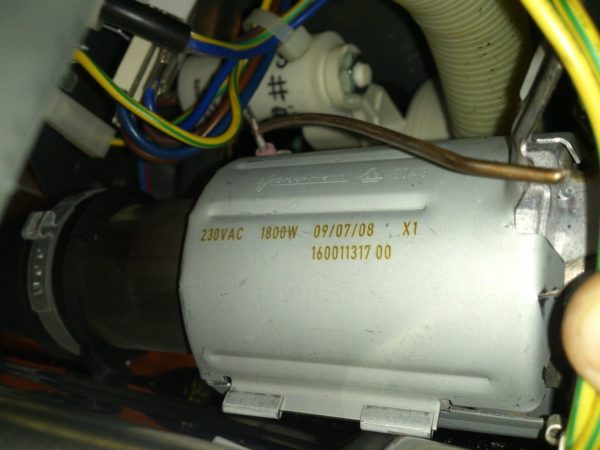
Things can be even more problematic if your water heating element is part of the water circulation system. In such "home helpers," the heating element can only be replaced along with the circulation pump, which can significantly increase the cost of such repairs. Unfortunately, in some cases, a complete replacement of this component can cost up to 70% of the price of a new dishwasher. Because of this, when the heating element fails, users often simply buy a new machine instead of spending money on diagnostics and repairs to the old appliance.
Finally, if both the temperature sensor and the water heater are working properly, the problem most likely lies in the dishwasher's control unit. You won't be able to check or repair this component yourself, so if you suspect this component, your only option is to call a service center technician.
Interesting:


Readers' comments
Headings
Washing machine repair




For buyers




For users


Dishwasher




Add a comment