
Which is more cost-effective: a dishwasher or hand washing?
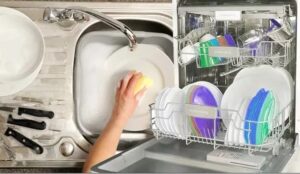 Many people argue that while a dishwasher makes life easier, it's extremely uneconomical to use. They cite its high energy consumption and the high cost of detergents. They believe dishes should be washed by hand.
Which is more cost-effective, a dishwasher or a hand-washing machine? What are the advantages of both options? Is it worth buying a "home helper" or is it better to stick with the old-fashioned way? Let's explore the nuances.
Comparison of machine and traditional washing methods
Many housewives can't imagine their lives without a dishwasher. They're willing to pay extra kilowatts and buy specialized household cleaning products just to avoid washing dishes by hand. Others, on the contrary, don't want to install a dishwasher, preferring to clean their kitchen appliances in a more traditional way. The main argument for these users is the extra expense.
To figure out whether it's more cost-effective to wash dishes by hand or in a dishwasher, you can do some simple calculations. To do this, look at your utility bills and check the current rates for cold/hot water, sewerage, and electricity. The figures will vary by region.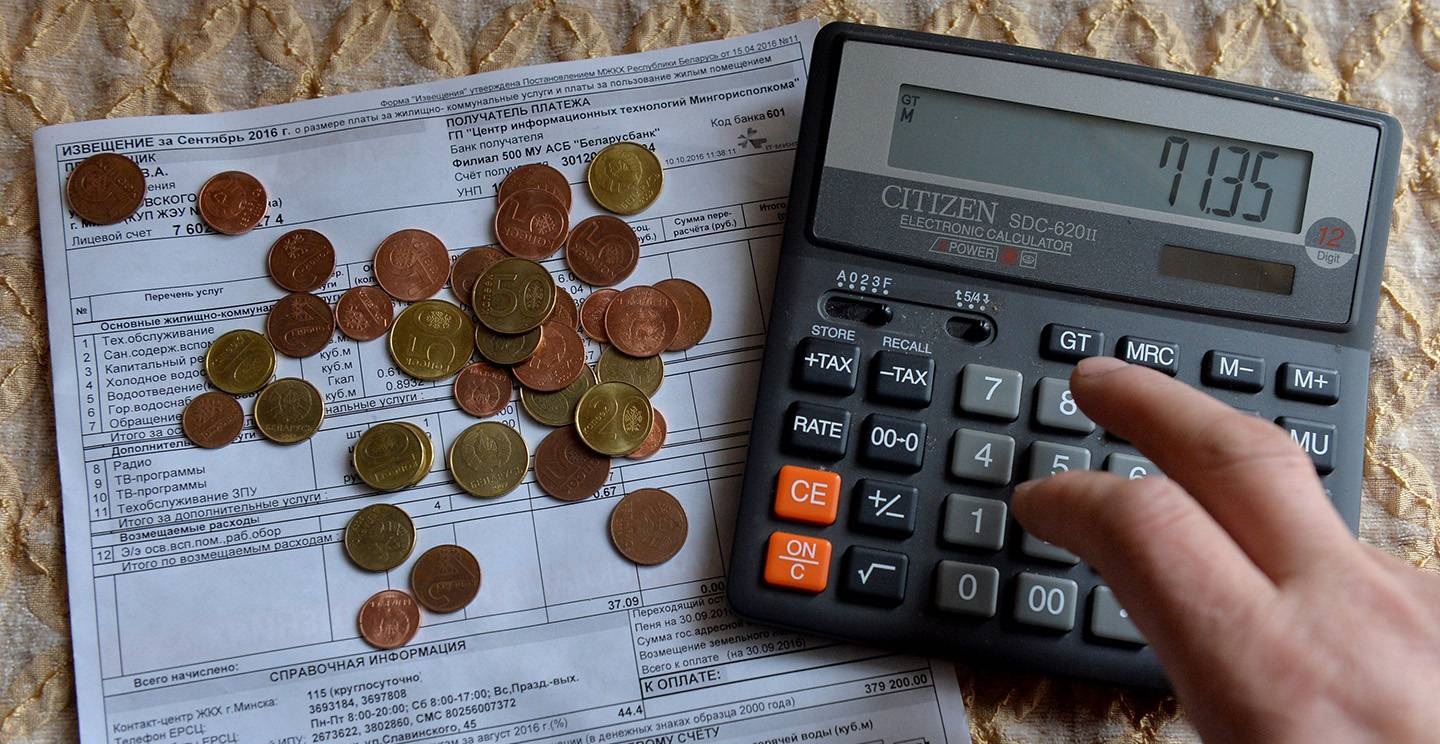
For an approximate calculation, let's take the following tariffs:
- Cold water supply 1 cubic meter – $0.51;
- Hot water supply 1 cubic meter – $1.49;
- Water disposal – $0.41;
- 1 kilowatt – $0.056 during the day, $0.016 after 23.00.
You can find out how much water and kilowatts your dishwasher consumes in the equipment's instructions.
The user manual indicates the resource consumption of the dishwasher. Water and kilowatt consumption will vary depending on the selected wash mode. For example, the most “costly” will be the intensive algorithm, while the most economical will be the fast program or the “ECO” option.
For the calculation, we'll use average water and electricity consumption figures. Let's assume a standard wash cycle is running for 90 minutes. During this program, the machine consumes 2 kWh and 25 liters of water.
You should also consider the cost of the detergent. The cost of one 3-in-1 tablet is $0.10–$0.15, depending on the manufacturer and packaging size. For our calculations, let's use the average price of $0.12 per capsule.
Total cost of one wash cycle (assuming the machine is started after 23:00, at the night rate):
- detergent – $0.12;
- electricity – 3 kW (for one and a half hours of operation) – $0.048;
- water – 0.025 (cub. m.) x $0.51 + 0.025 (cub. m.) x $0.41 = $0.023.
On average, the cost of one dishwasher cycle is only $0.191.
Typically, users accumulate dishes and run the machine at the end of the day. This means the dishwasher is used approximately 30 times per month. Therefore, the total cost is approximately $6.50.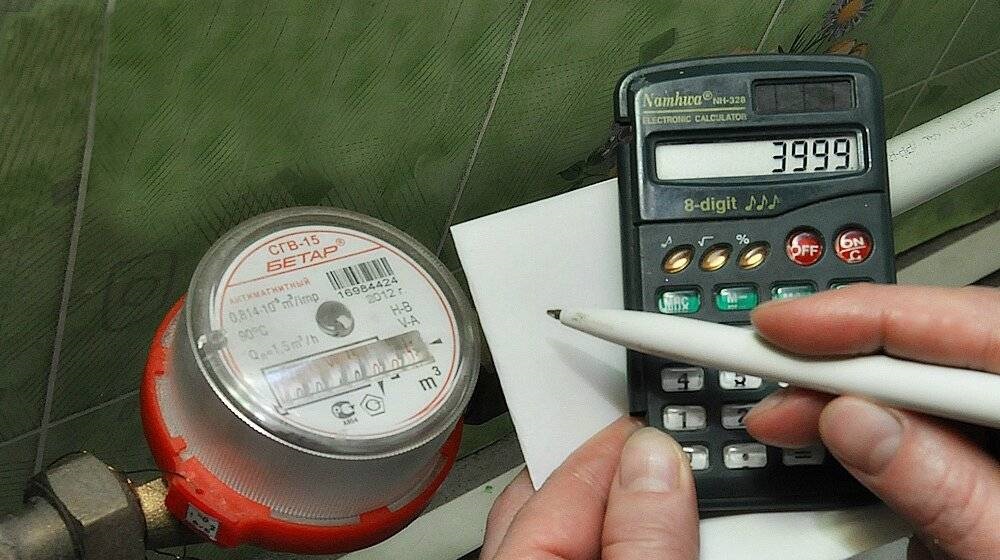
To calculate water consumption for hand washing, you need to measure the water meters. An experiment revealed that to clean the same amount of dishes as a machine can fit at one time, you need:
- 65 liters of cold water;
- 60 liters of hot water.
You should also factor in the cost of detergent. For example, Fairy, at $1.30, lasts on average for a month and a half. So, add $0.03 (dishwashing gel + sponge) to the cost of one hand wash.
So, to wash dishes by hand, you spend:
- Cold water 0.065 cubic meters x $0.51 = $0.033.
- Hot water 0.06 cubic meters x $1.49 = $0.09.
- Water drainage 0.125 cubic meters x $0.41 = $0.051.
- Consumables – $0.03.
The total cost of a hand wash is $0.204. This is even more than a dishwasher. Therefore, claiming that a dishwasher is a luxury isn't accurate; in fact, the cost per cycle is actually lower.
Washing this amount of dishes by hand would take about 30 minutes, not including putting away the cutlery. A dishwasher will free up that half hour, allowing you to do other things, exercise, or simply relax after a hard day at work.
Criticism of the calculation example
When deciding whether a dishwasher or a hand wash is more cost-effective, you should consider not only the cost of utilities and detergents. The actual purchase of a dishwasher, and its future maintenance, are also fraught with expenses, and not small ones at that. On average, the service life of a dishwasher is 10 years.
Before you can start saving money with a dishwasher, you need to buy one. Prices for models vary widely. For example, let's take a budget dishwasher priced at $250.
Considering the average service life of 10 years, we divide the purchase cost by the number of days the dishwasher is used. We get $0.07 per day. So, the dishwasher will actually consume $0.261 instead of $0.191.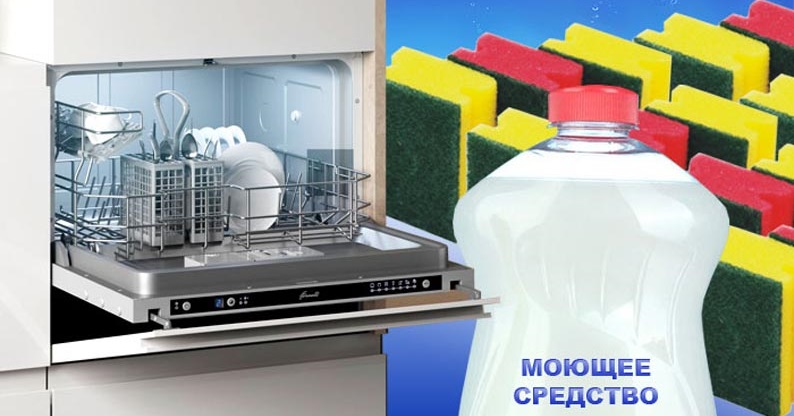
Depreciation costs shouldn't be forgotten either. During operation, individual components and sensors may fail, and rubber seals may wear out. These parts will need to be replaced, which incurs additional costs that can't be calculated in advance.
It's important to remember that not all cookware is dishwasher-safe. Therefore, you'll need to either replace some of your kitchen utensils (which adds to your expenses) or wash individual utensils by hand (which will require additional use of cold and hot water).
It's important not to approach cost calculations one-sidedly. A dishwasher's primary appeal lies in its convenience. It's impossible to predict the costs a dishwasher may incur. Leaks and ruined kitchen renovations are also a possibility. A breakdown is also quite possible. All of this will lead to additional expenses.
Interesting:



Readers' comments
Headings
Washing machine repair




For buyers




For users


Dishwasher




Add a comment