
Indesit dishwasher not filling with water
 Progress never stands still, and we're grateful for it. While a celebration used to leave a mountain of dirty dishes in the kitchen, sometimes making it hard to even celebrate, today all you have to do is throw the entire pile in the dishwasher for five minutes, and smart appliances will then take care of the mess themselves.
However, no appliance is immune to breakdowns, especially after the warranty period has expired. Anyone can experience a situation where an Indesit dishwasher fails to fill with water and starts washing. In this case, the appliance may make strange noises or remain silent, but the bottom line is that the appliance is faulty. This isn't a reason to give up, though, as sometimes the problem can be fixed even without a technician calling out.
What happened to the technology?
Of course, there are many reasons why water might suddenly stop filling, and most of them can only be discovered by completely disassembling your "home helper" and getting to its internal components. But first, we'll list the most common problems that can be easily resolved at home, even without disassembling the appliance.
- Water supply. It's quite possible that maintenance and pipe replacement are underway in your area right now. Check the faucets in your home to make sure the water is running.
- Dishwasher door. If the door isn't closed completely, meaning it doesn't click into place, the dishwasher won't start the cycle. Therefore, check the door after turning on the water.
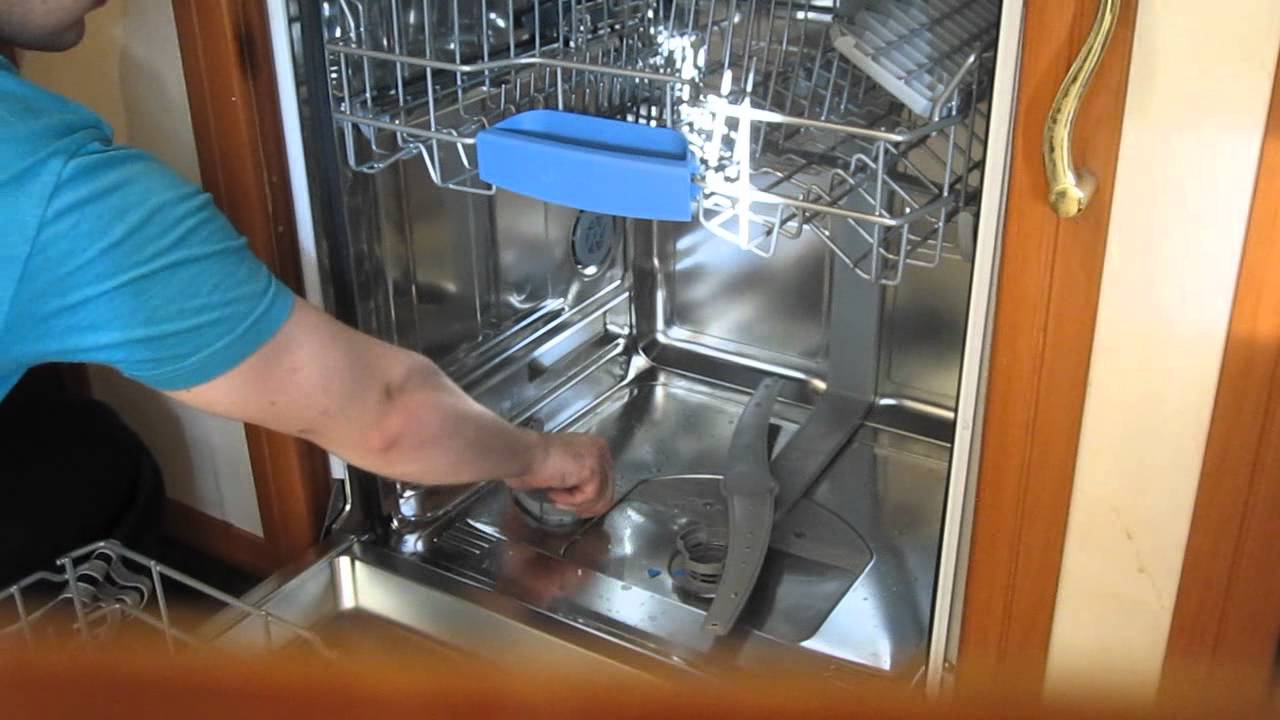
- Water inlet valve. This is a special shut-off valve located on the dishwasher's water supply. It's installed for safety, allowing the water supply to be shut off at any time, and to prevent continuous pressure on the inlet valve. The valve is usually found on the water pipe to which the dishwasher is connected. Simply opening it may solve the problem.
- Hose. After the first three options, it's time to inspect the hose that supplies water to the appliance. It's important to carefully check it for damage, make sure it's not kinked, and that nothing heavy is resting on it.
Each of the four problems listed above is easily remedied, but what if you've checked for possible sources of the problem and the equipment still isn't working? In this case, the device may require a simple repair. Be sure to disconnect the equipment from the power supply before you begin diagnostics.
Let's look at common breakdowns
One of the most common causes of dishwasher failure in Russia is extremely poor tap water quality. In some areas of the country, the water is extremely hard, causing the inlet filter to become clogged and stop functioning properly. If this happens, water will either not fill at all or will fill too slowly. Therefore, a mesh filter is essential, protecting this delicate appliance from harmful impurities and abrasives. Resolving this problem is very simple.
- Turn off the water supply.
- Unscrew the water supply hose.
- Remove the filter mesh located where the hose connects to the dishwasher.
- Rinse it thoroughly in hot water, remove all dirt with a needle, or soak the element in a citric acid solution for about an hour.
If even this doesn't help the machine start working properly, it means there's something seriously wrong with the appliance. Most often, dishwashers "suffer" for very specific reasons.
- The door lock is damaged. Because the machine has a special door lock that can trip contacts and stop the wash when the door is opened, a malfunction will prevent the machine from starting. The machine will simply not fill with water because it thinks the door is open. This type of malfunction can be identified by the code the machine displays on the display.
- The inlet valve isn't working. This part of modern dishwashers opens after a signal from the dishwasher, allowing water to enter the machine. If it fails due to sudden power surges or prolonged use, it will simply stop opening and allowing water to flow;
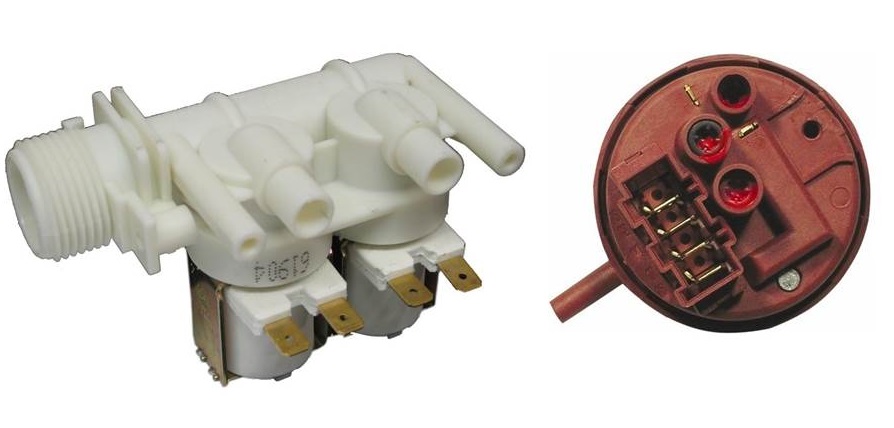
- The pressure switch is broken. This is a special sensor that measures water pressure. It transmits information to the dishwasher's control board about whether there is enough water for the selected wash program or whether more water is needed. If it's damaged, the control module simply won't receive water pressure information and won't know how much more water is needed. If it's broken, the dishwasher won't draw any water at all.
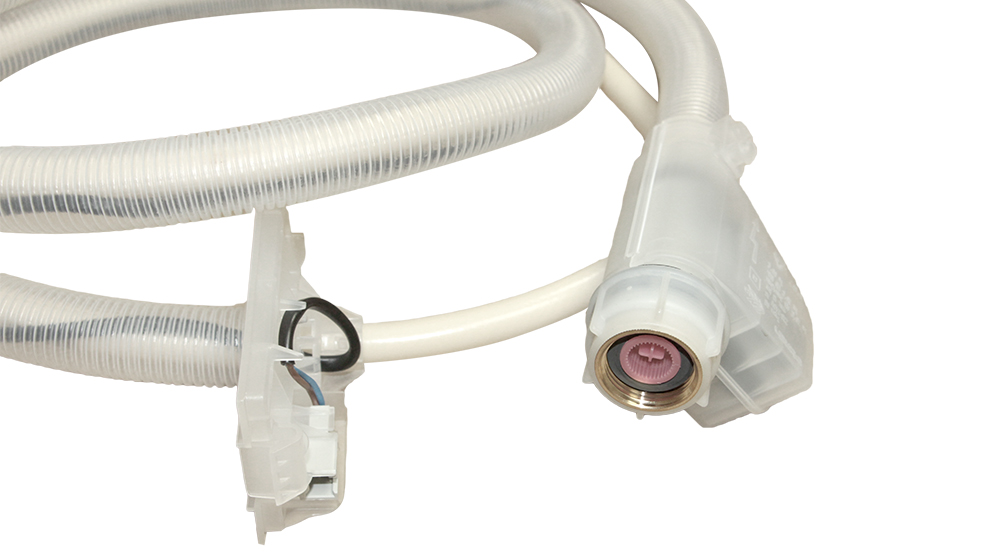
- Water leak protection is activated. The intelligent leak protection system called Aquastop can keep your device safe in many unpleasant situations. However, if it malfunctions, this system can permanently block the water supply. This also applies to cases where a water leak actually occurs;
- The control board has failed. The ultimate cause lies in the dishwasher's most complex component—the control board. This intelligent module activates all the complex programs, issuing commands to all the appliance's components. If there's a problem with the control board, there's simply no one left to give the orders.
If any of these issues occur, it's best to contact a service center technician to accurately determine the problem and fix it.
Most technical problems have long been described in manuals, so you can fix them all yourself. However, sometimes situations arise that require experience and knowledge. And given that technology is becoming increasingly complex every day, it's safer to seek help from a specialist rather than try to diagnose and fix the problem yourself. This can only damage the equipment even more, significantly increasing the cost of repairs.
Interesting:



Readers' comments
Headings
Washing machine repair




For buyers




For users


Dishwasher




Add a comment