
Why does my dishwasher use cold water?
 When a dishwasher doesn't heat water, it becomes very difficult to use. Dishes remain dirty, so owners try to quickly figure out the cause of this behavior. While some problems can be resolved at home, others require a service center. Let's look at why your dishwasher might not heat.
What is this problem?
When your dishwasher washes with cold water, there's no need to immediately disassemble the dishwasher to look for the problem. If the machine is new, first check whether it is properly connected to the water supply. Some models have two outlets for the inlet hose, one "hot" and one "cold." If the outlets are reversed during installation, the dishwasher will not heat the fluid in the system.
If you mistakenly connect the inlet hose to the "hot" outlet, the machine's "brain" will think the water being filled is warm. Therefore, it won't heat it. Fixing this is very simple: simply connect the corrugated hose to the "cold" outlet.
It is possible that the dishwasher does not heat water due to the user selecting the wrong program.
For example, after running a delicate cycle for heavily soiled dishes, the user is dissatisfied that the dishwasher hasn't completely cleaned the cutlery. After touching the plates and forks, they notice that they are cold. This suggests that the dishwasher isn't heating the water. The parameters for each program can be found in the appliance's manual.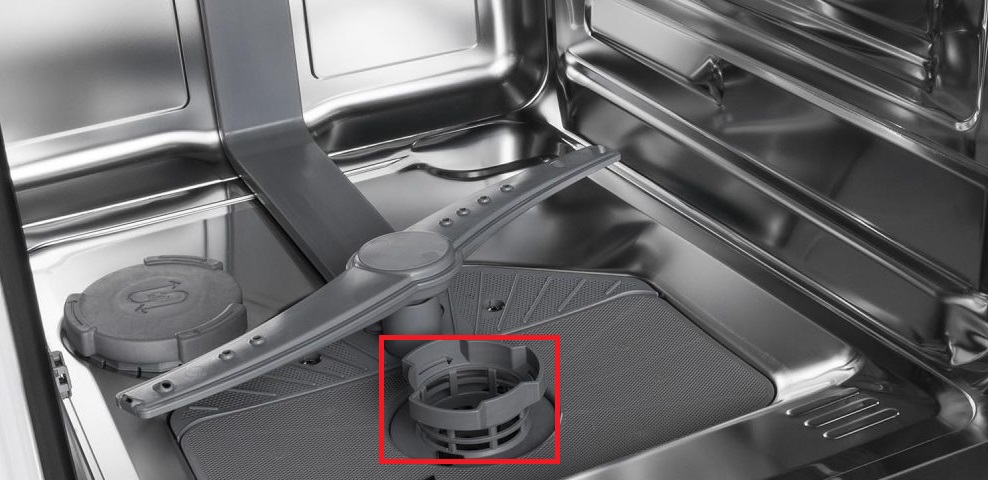
Another possible cause is a clogged dishwasher debris filter. This disrupts circulation, causing the machine to wash dishes with cool water, often intermittently. Therefore, it's the user's responsibility to regularly clean the filter element of food debris to prevent this from happening.
If you're confident that no errors were made during the operation of the dishwasher, you'll need to perform a more thorough diagnostic. The problem could be caused by:
- A broken thermistor. This is a common problem with many dishwashers. A damaged thermistor causes the control module to receive false information about the temperature of the water in the dishwasher chamber. In this situation, the control module does not activate the heating element, causing the water in the dishwasher to remain cold. To fix the problem, the sensor will need to be replaced.
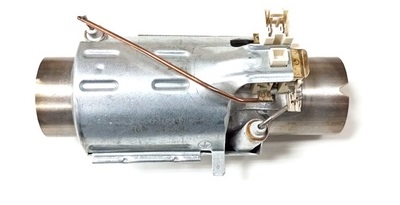
- A faulty heating element. Modern dishwashers integrate the heating element with the recirculation pump. If the heating element fails, the entire unit must be replaced. Fortunately, this type of failure is extremely rare.
- Damaged control module. The dishwasher's circuit board is littered with numerous semiconductors. When the element responsible for communication with the heating element or temperature sensor fails, the machine stops heating the water. It's best to leave this problem to a service center.
Damaged wiring could also be the cause. Even if one cable frays or comes loose, power to the heating element, temperature sensor, or recirculation pump will be disrupted. The machine will stop heating water during the cycle.
It's entirely possible to replace faulty components yourself. However, you'll need to contact a service center if you're experiencing problems with the control module. Messing around with the dishwasher's electronics without sufficient experience and knowledge is not recommended. You could cause further damage to the equipment.
How to find the source of the problem?
To determine the cause of the problem, you will need to run a dishwasher diagnostic. To check the dishwasher parts you will need a multimeter. Using the device, it is necessary to measure the readings produced by the thermostat, heating element and pump.
Before disassembling, turn off the power to the dishwasher and disconnect it from the water supply and sewer system. Next, remove the dishwasher tray—that's where all the "suspect" parts are located. It's best to avoid accessing the control module—repairing it requires specialized knowledge.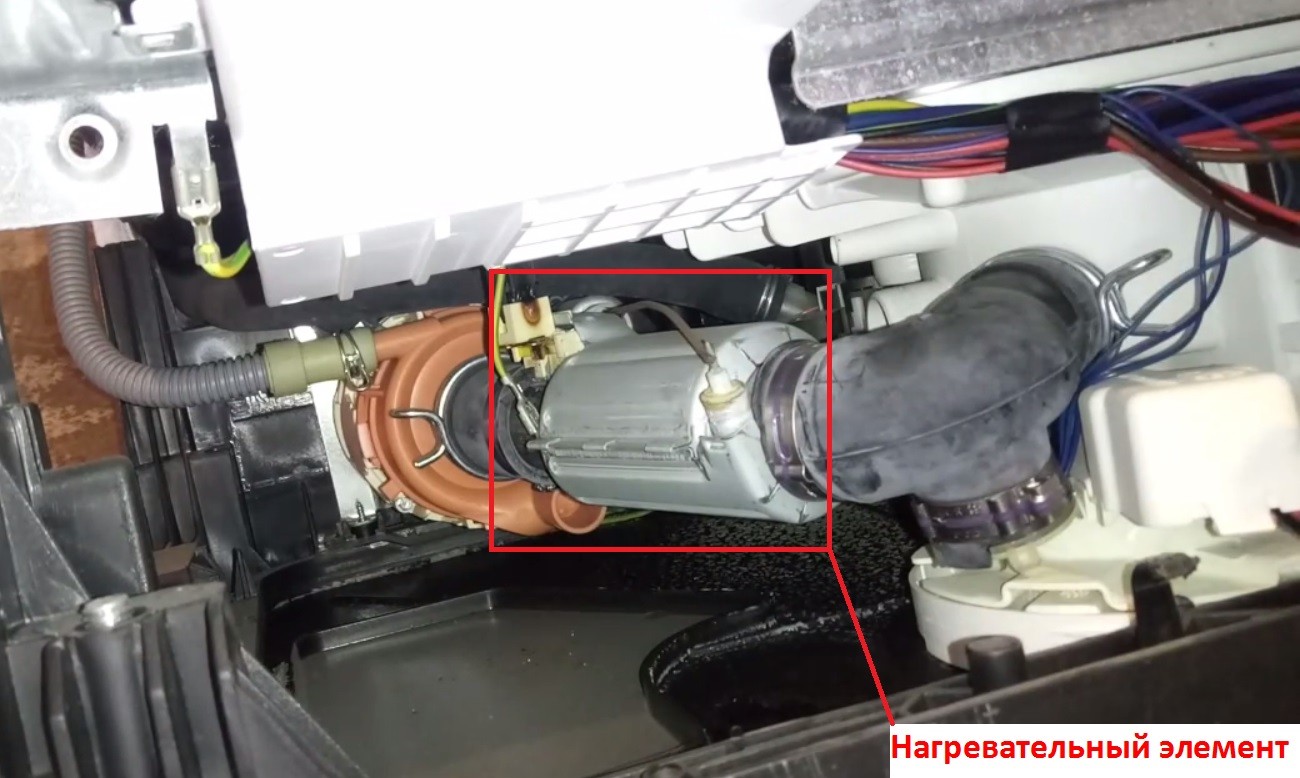
Disconnect the connector with the wires from the recirculation pump and measure the input resistance with a tester. Normally, the reading for a running pump and heating element should be approximately 25 ohms (with a tolerance of plus or minus 5 ohms). If the reading is lower, the element is not functioning properly and needs to be replaced.
Next, run a temperature sensor diagnostic. Disconnect the wiring and measure the contact resistance. The tester should read between 4700 and 6000 ohms. If the reading is outside the specified range, the thermostat is faulty and needs to be replaced.
If the pump, heating element, and temperature sensor are all in good condition, carefully inspect the wiring. You may be able to find any burnt or worn sections. Also, make sure none of the cables are loose from the connectors.
Once the wiring appears to be in good condition, use a multimeter to test each cable for continuity. It's likely that a wire has burned out or broken under the insulation, preventing proper operation. If the problem is identified, troubleshoot it.
What to do after detecting a problem?
What to do after discovering a breakdown? Some DIYers recommend trying to repair the heater in the recirculation pump. Experts believe such a repair is rather questionable. The best solution is to replace the entire unit.
When purchasing new components, pay attention to the dishwasher model and the factory markings on the parts themselves.
The recirculation pump housing is marked with a number. You need to order a part with the same marking. Then, simply remove the old pump and install the new unit, connecting all the connections to it.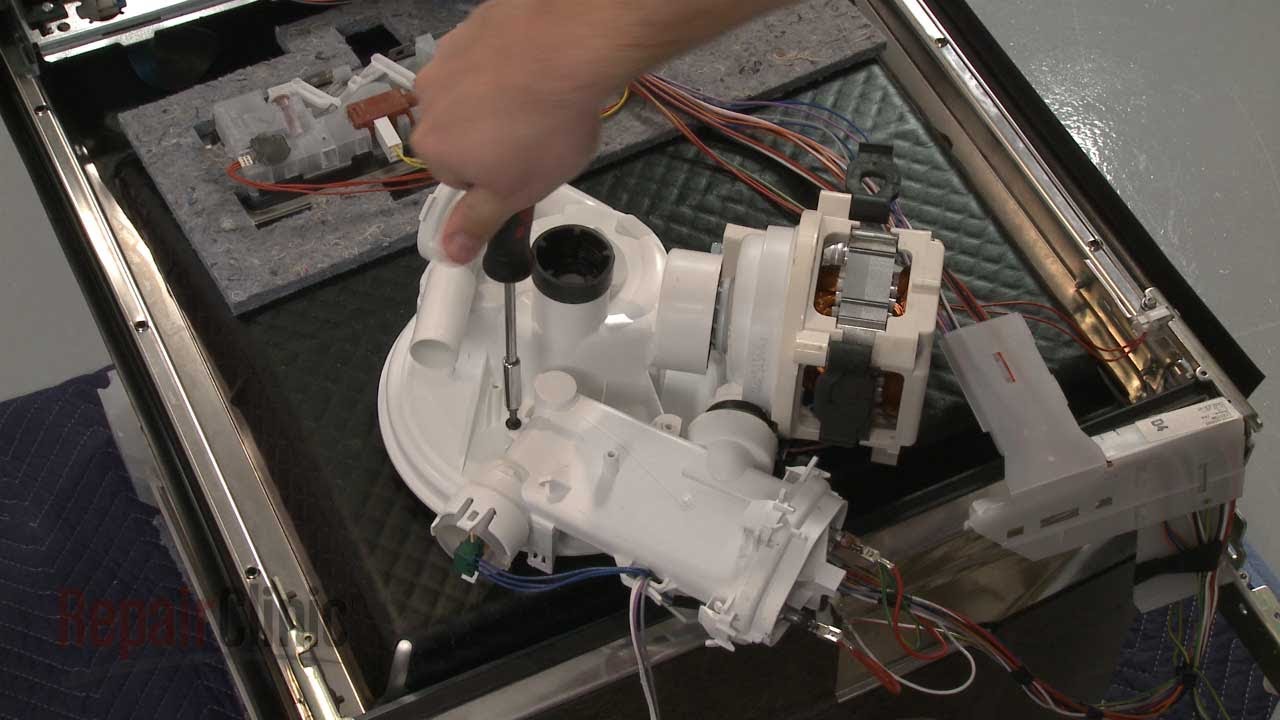
The same approach should be taken with the temperature sensor. Purchase a new thermostat and install it in place of the faulty one. If these components are functional and you suspect the control module, contact a service center for assistance. Specialists will expertly diagnose the electronic unit.
Interesting:


Readers' comments
Headings
Washing machine repair




For buyers




For users


Dishwasher




Add a comment