
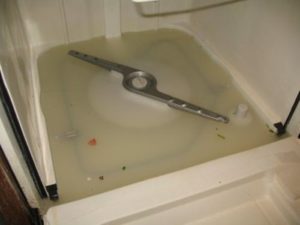
The dishwasher does not drain water completely.
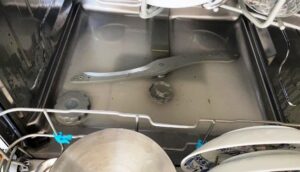 Every housewife knows that after a standard dishwasher cycle, there shouldn't be any water left at the bottom of the wash chamber. However, if for some reason the dishwasher doesn't drain completely, even though it's still cleaning dishes well and draining properly after use, there's something wrong with the machine. How can you find out what's wrong with the dishwasher and why it's stopped draining completely as it always does?
The main causes of the problem
There are many causes for this malfunction, but service center specialists specifically cite two of the most common. The first is a faulty drain pump. In such an unpleasant situation, the pump cannot completely pump out water from the dishwasher, which is why a certain amount of liquid and impurities remains at the bottom of the washing chamber. The drain pump may even continue to hum as if it were working properly, but the water will be draining by gravity, not due to the pump working.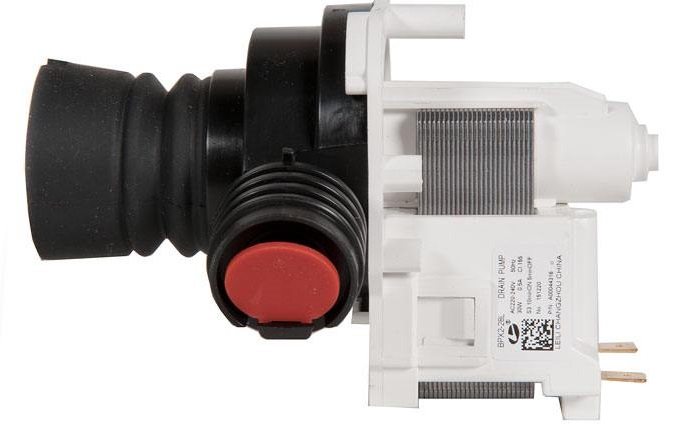
Unfortunately, checking the drain pump yourself isn't easy, as it requires disassembling the dishwasher, removing the pump, inspecting its impeller, and thoroughly testing the coil. A service technician is best suited for this task, but if you're feeling adventurous and have the necessary tools, you can check the pump yourself using our instructions below.
Sometimes the pump gets clogged with debris and food particles, so this is another reason to thoroughly remove food particles before loading dirty dishes into the appliance.
The second cause is the drain hose of the "house helper." To fix the problem, you should check to see if it's clogged. Often, the culprit is a buildup of scale that builds up on the inside walls of the hose over time, preventing waste from flowing properly. Furthermore, debris can build up inside the hose, further blocking the normal flow of liquid. This situation is much easier to fix than a faulty pump.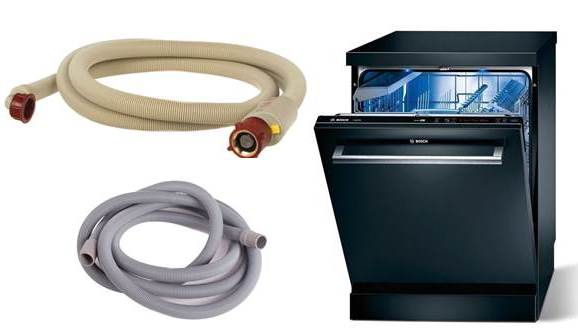
- First, disconnect the drain hose.
- Rinse it thoroughly with the hottest water possible to help remove debris and plaque.
- After the procedure, put the hose back in place.
Additionally, check the hose's position relative to the drain connection. The hose may be positioned too high, causing some of the liquid to flow back into the dishwasher instead of down the drain.
How to check the drain pump?
If cleaning the drain hose and repositioning it doesn't solve the problem, and the dishwasher continues to drain poorly, the problem most likely lies with the drain pump. To check it, you'll only need a screwdriver, pliers, and a multimeter. Follow our instructions carefully to avoid further damage.
- Disconnect the machine from the power supply and water supply.
- Turn the dishwasher on its side.
- Using a screwdriver, remove all the screws holding the panel underneath the dishwasher and set it aside.
- Locate the pump motor.
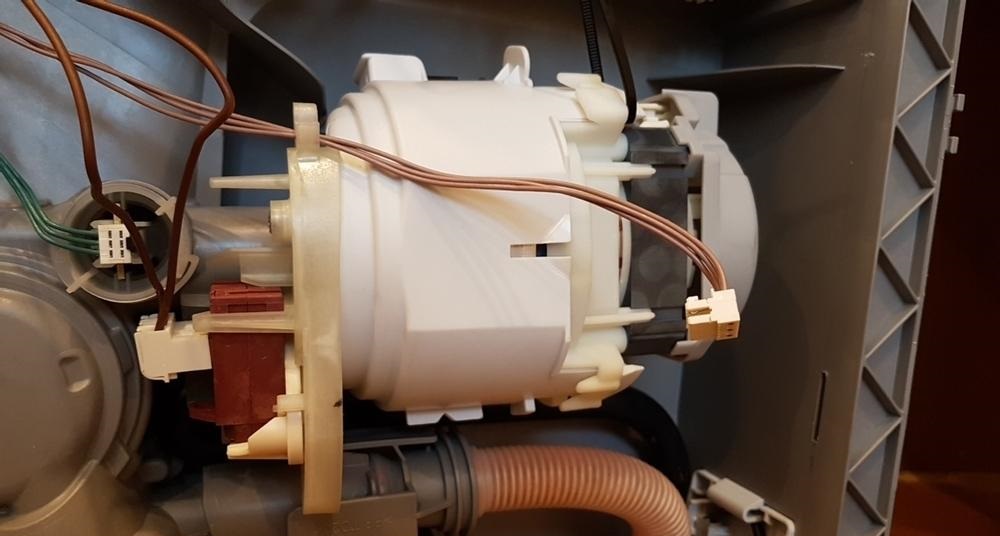
- Set the multimeter to Ohmmeter mode.
- Measure the motor winding resistance with a multimeter. Normal values are between 150 and 260 ohms.
- You can also use pliers to remove the connectors that are connected to the float to prevent water from overflowing, and remove the pump to check if the screw is jammed.
- Also, check the sump pump body for blockages.
If the drain pump resistance readings deviate from the norm or are completely zero, you'll need to purchase a new part and install it according to the instructions. In this case, simply reverse the steps and then run the dishwasher in any mode to check for water drainage. If, after all these steps, your dishwasher resumes normal operation, the problem was with the pump. Remember to periodically clear the pump of any blockages and the hose of any debris and scale to ensure the dishwasher always drains completely after a cycle.
Interesting:



Readers' comments
Headings
Washing machine repair




For buyers




For users


Dishwasher




Add a comment