
Siemens dishwasher won't drain
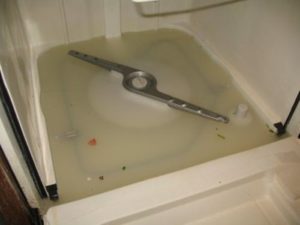 Modern technology is constantly becoming smarter and more reliable thanks to the hard work of engineers, but even this can't completely eliminate breakdowns. For example, a Siemens dishwasher that won't drain is a recurring problem for many housewives, as it's considered one of the most common dishwasher problems. But if this happens, don't worry, as your "home helper" might not even be broken, so you can fix the problem yourself. Let's look at the most common causes of this frequent malfunction.
What problem are we dealing with?
First, you need to understand why your washing machine refuses to drain and freezes. The list of possible causes is long, but each problem can be easily diagnosed with a little time. Most often, the malfunction is caused by the following:
- Clog. This is the number one thing to check when the equipment refuses to remove waste liquid. The hose may simply be clogged and needs cleaning;
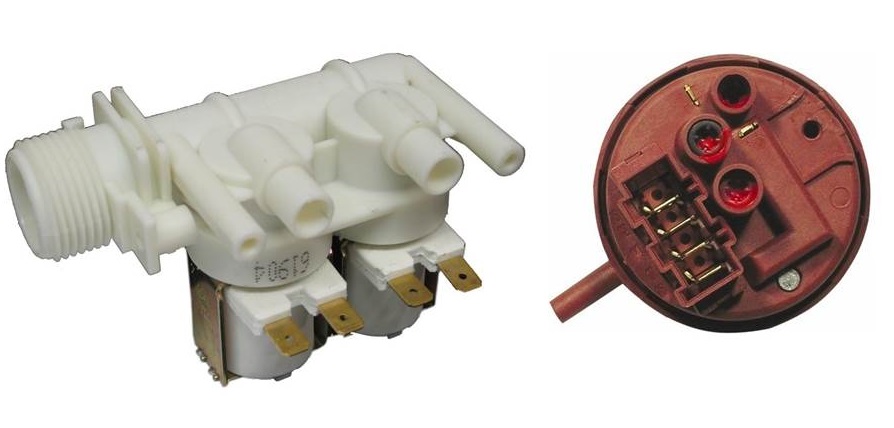
- Drain pump. If the pump is damaged, it will be impossible to pump water into the sewer;
- Pressure switch. If the water level sensor fails, the dishwasher's control board won't be able to determine how much water has been collected in the wash chamber and how much needs to be added or drained. In this case, the appliance will simply freeze.
Another possibility is damage to the control module, which transmits commands to all other elements of the dishwasher, but if the problem is in this module, it is better to leave the repair to specialists.
Unlike the dishwasher's electronic circuit board, which cannot be repaired without professional skills and extensive experience, the three problems listed above can be solved with your own hands, even without any special knowledge.
The insides are clogged with dirt
If you suspect a clog, the first thing you should do is listen to the sounds the appliance makes while operating. If you hear a normal hum from the pump, you should check the drain hose for debris, scale, or other debris. Also, be sure to check that the hose is not pinched or that there are no heavy objects on it, and also check the drain trap under the sink to see if it is clogged. If everything is fine, and even the water drains without any significant delays, then you can move on to diagnosing the main filter located at the bottom of the dishwasher chamber. What should you do?
- Remove the washing chamber from the dish baskets, which will interfere with the removal of the main filter.
- We remove the lower sprinkler.
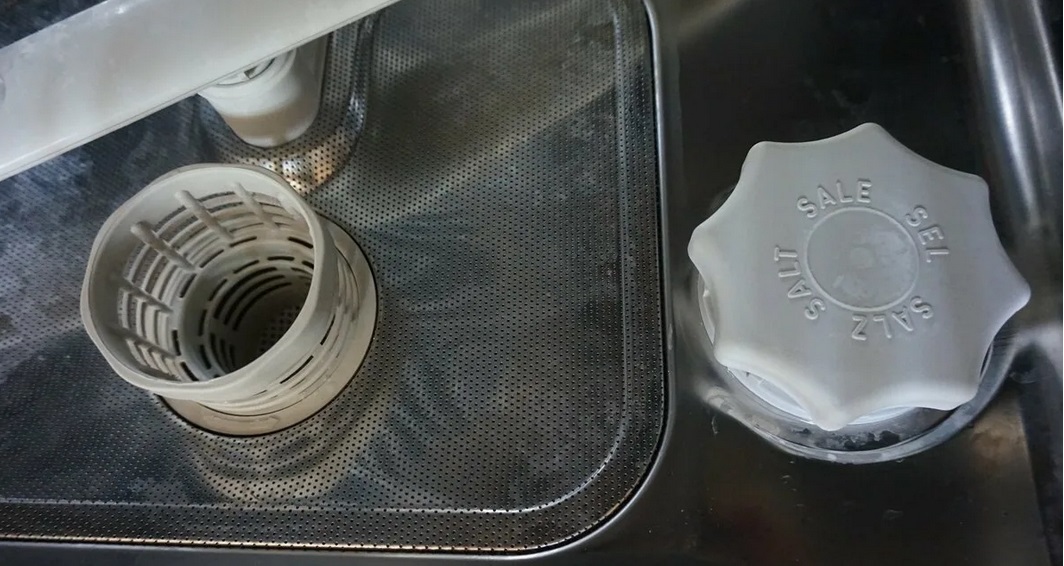
- We take out the filter and then thoroughly clean it with hot water and detergent.
- Now we take out the coarse metal mesh and then wash it as a filter.
- Only after making sure that all mesh openings are clean and free of debris, dirt or build-up can the part be reinstalled.
Once all the components are in place, run a test cycle to ensure the used water has begun to drain. However, if the problem persists, you'll need to check the drain pump. This isn't easy, as the pump isn't accessible through the side opening, meaning you'll have to lay the machine on its back. Be sure to drain the water before placing the machine on the floor - tilt the body of the device to the right, first placing a basin under the machine to collect the liquid.
Let's pay attention to the drain pump
Misfortunes never come alone, and a drain pump can fail in two different ways. If it's an electrical fault, the only way to check the part is with a multimeter set to Ohmmeter mode to measure resistance. If the drain pump is burned out, there's no point in trying to repair it and wasting time; the only option is to buy a new one and replace it.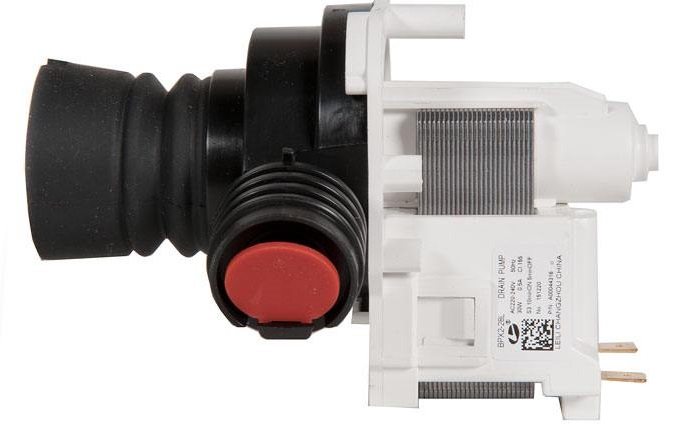
However, if the cause is mechanical, it can easily be fixed by hand. For example, if the impeller has come off the pump, it can simply be reinstalled, and if the rotor is spinning poorly, a thorough lubrication will suffice. Therefore, most mechanical problems can be detected with the naked eye and fixed without any specialized tools.
Water level sensor
Finally, if the pump and clogs aren't the culprit, all that's left to do is check the pressure switch. It's located near the pump you checked in the previous step, so it won't take long. Remove the water level sensor, clean its small tube, which often gets clogged, and then measure the resistance with a multimeter and check the condition of the wiring.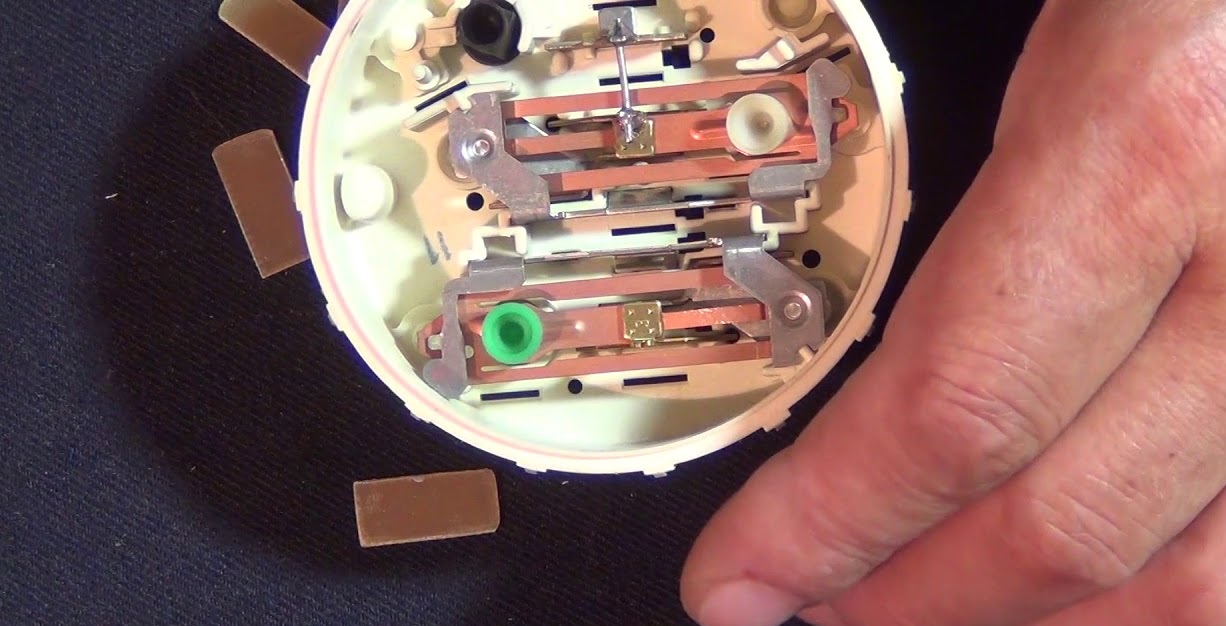
If the element is damaged, it simply needs to be replaced with a new one. However, what if the cause of the dishwasher's failure to drain is still unclear? If this happens, there's a high probability that the problem lies with the dishwasher's control module, which you can't resolve on your own. But don't worry, because you've already done everything possible for your "home assistant," so feel free to call a professional.
Interesting:





Readers' comments
Headings
Washing machine repair




For buyers




For users


Dishwasher




Add a comment