
Pilling appeared after washing
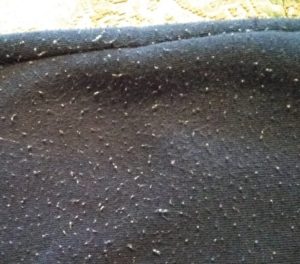 When buying a new item, everyone wants it to stay looking good longer. But if your clothes start to pill after washing, you won't be able to show them off to your friends. Where do these pesky pills come from, and how can you remove them? This information is useful for any homemaker.
Where do they come from?
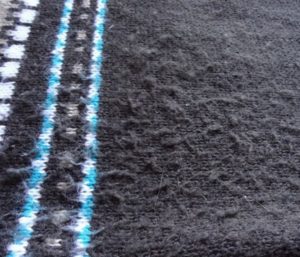
Pilling occurs when clothing rubs against something. For example, a sweater rubs against a jacket worn over it. Some believe that pilling on clothing indicates poor quality. Pilling occurs especially on items with lint and if the weave of the fabric is loose. However, there are other causes as well.
- Failure to follow care instructions. For example, using the wrong detergent or the wrong water temperature when washing. All care instructions are on the garment's label.
- If the clothing contains a mixture of natural and synthetic fabrics.
- The threads are not twisted enough. This can be noticed even before purchase.
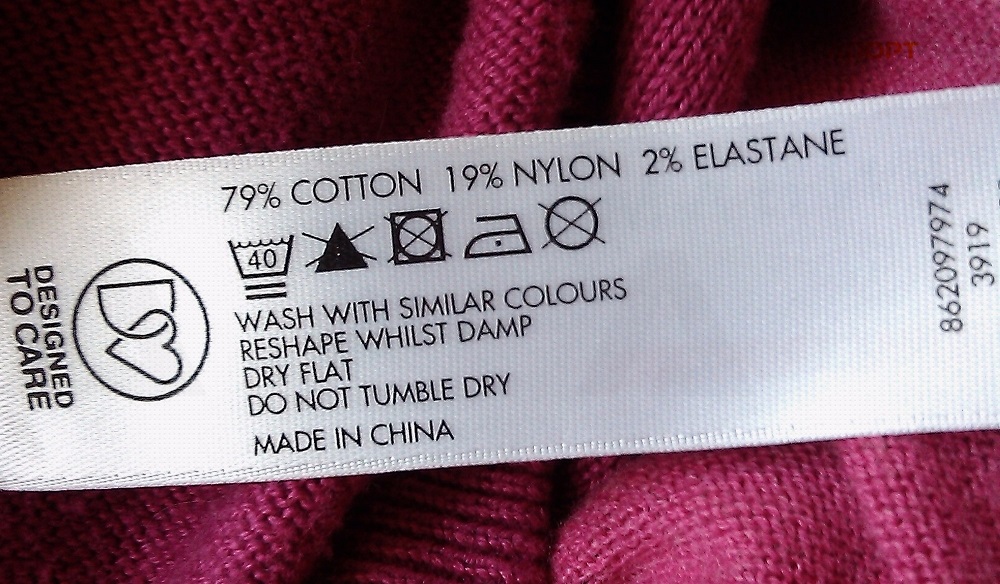
Here are some reasons why pilling can occur. To prevent pilling after washing, carefully read the care label.
Even following the manufacturer's instructions may not help completely prevent pilling.
Getting rid of lumps
The nature of pilling is such that the more there is, the more difficult it is to get rid of it. Therefore, it should be dealt with as soon as possible, ideally immediately after it appears. The good news is that there are many ways to get rid of it.
- Using a razor blade. For this, you'll need a regular safety razor blade. Simply lay the fabric flat to avoid any creases. You can then use a razor blade to remove the pilling. However, this method isn't suitable for textured clothing.
- To remove pilling, you can use a toothbrush or a dish sponge. Simply brush the clothes with them. However, this method will only work if the pilling is not excessive;
- You can use epilation to remove pilling. To do this, firmly apply adhesive tape to the clothing and then quickly remove it. This will cause some of the pilling to simply come off. Repeat this procedure several times until the clothes are clean.
- The most difficult method is to cut off the lint with nail scissors. But this is very time-consuming.
- Add fabric softeners during washing. This method won't work immediately; you'll need to wash the clothes several times. However, it may come out clean.
- Dry cleaning is excellent for removing pilling. However, it should only be used on outerwear.
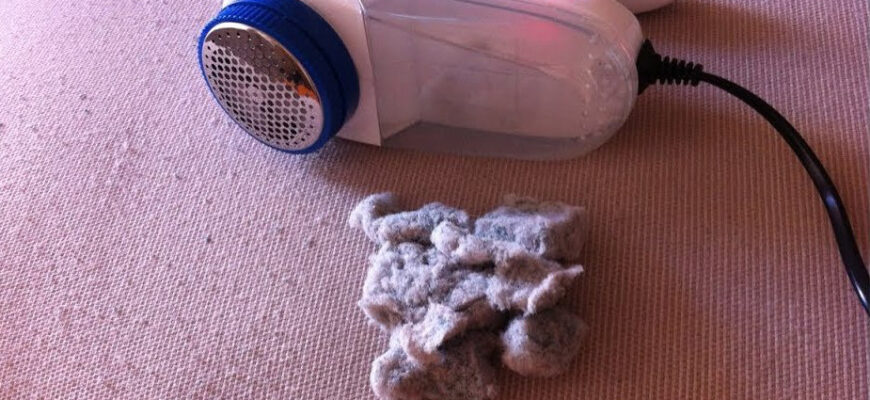
- You don't have to use household items to remove pilling. You can use a specially designed tool—a trimmer. It will either cut off or collect all the pilling with adhesive tape.
Indeed, there are many ways to remove lint. Everyone can choose the one that suits them best. It all depends on what's on hand.
Preventing the formation of lumps
The simplest thing you can do to avoid pilling is to prevent it from forming. It's much easier than cleaning it up later, and it saves time. To do this: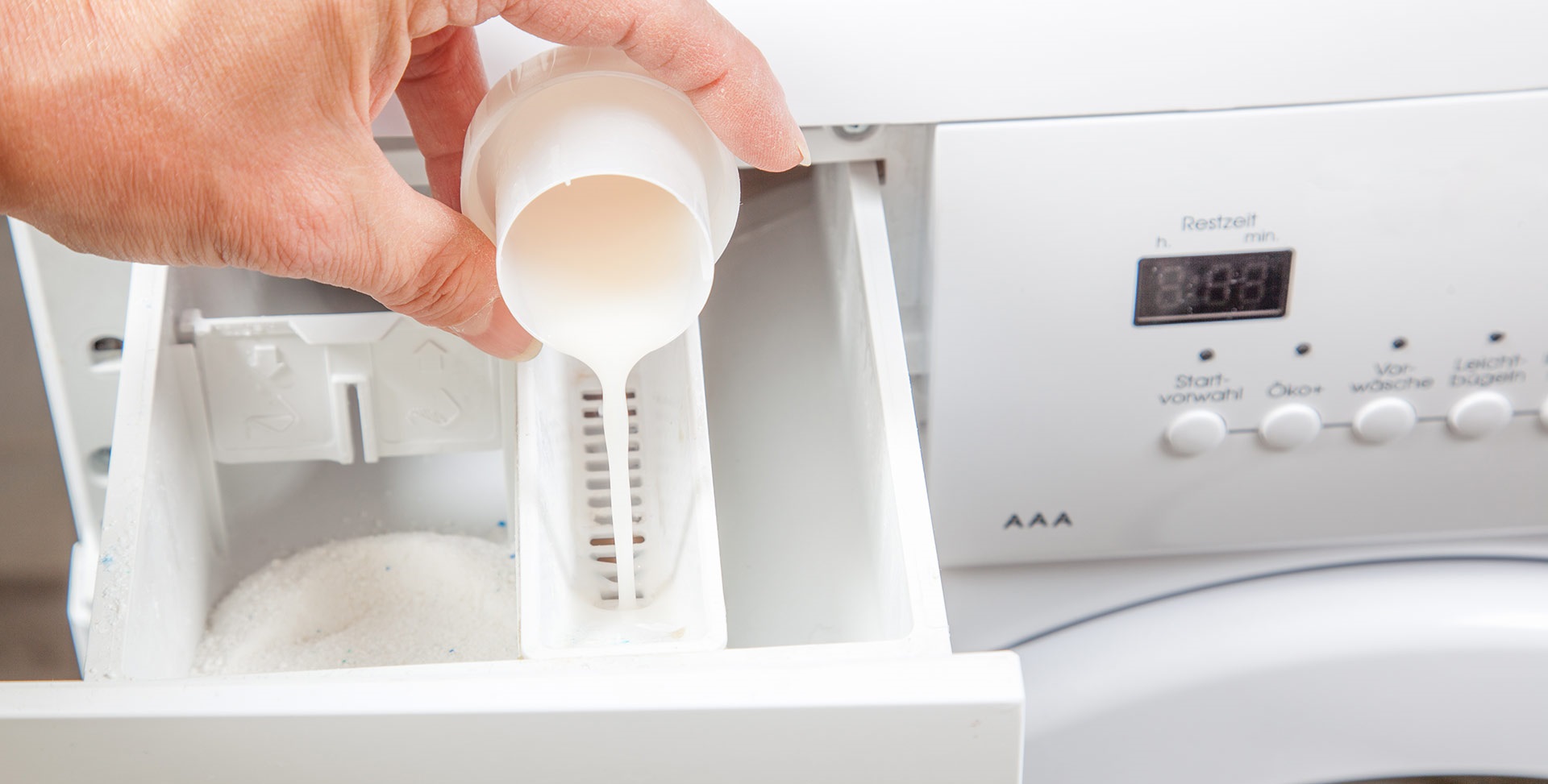
- follow the storage rules for the item (see the information on the tag);
- add conditioner when washing;
- Woolen items should be washed by hand or in a washing machine delicate mode;
- check the quality of clothes before purchasing;
- Sometimes you don't wash your clothes yourself, but take them to the dry cleaner.
There's nothing complicated about these rules. Just read the label, pay close attention, and you'll know what to do. If you follow all the rules, the likelihood of pilling will be virtually zero.
Interesting:
Readers' comments
Headings
Washing machine repair




For buyers




For users


Dishwasher




Add a comment