
Washing machine usage instructions
 Modern life is no longer imaginable without smart home appliances. For example, the automatic washing machine has become a staple in every family's life, helping to refresh and clean clothes daily. However, not everyone knows how to care for their "home helper" or how to properly use it to maximize its lifespan and ensure high-quality washing results. Let's look at the basic rules for using a washing machine.
Don't wash all your laundry together.
Before loading items into the drum, it's crucial to sort them. Items should be separated into groups, paying attention not only to color but also to the material they're made of. Here are some tips for properly sorting clothes:
- Carefully read the label sewn on the inside of the item. The manufacturer indicates the recommended washing temperature and cycle on the label.
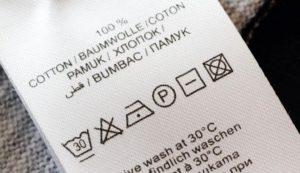
- Please be aware that certain items of clothing can only be cleaned by hand, and machine washing may permanently damage the item;
- Color is the main criterion for separating laundry. White items can be mixed with light colors, red items with burgundy and pink, and black items with dark colors.
- Pay attention to the fabric your clothes are made of. Natural fabrics should be washed separately from synthetic ones.
- It is advisable to load underwear into the drum separately from everything else, and in special laundry bags;
- Separate items by weight. Lightweight items, such as socks and tights, should not be thrown into the machine with pants, jackets, or sweaters.
Once sorting is complete, you can start the washing machine. Turn it on, add detergent, and select the correct cleaning mode.
We activate the machine and add powder.
Before using the machine, it is advisable to thoroughly study the operating instructions included with the machine. In the user manual, the manufacturer covers all important aspects regarding connecting the equipment to the network, utility lines, control panel indicator designations, etc. There are a number of basic rules for turning on a washing machine.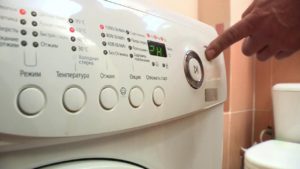
- It is important to correctly connect the unit to the water supply and sewerage system.
- The drain hose must not have any kinks or bends; improper installation may cause leaks.
- The socket that powers the equipment must be protected from moisture.
- When you press the power button, the indicator on the control panel should light up.
- Before selecting a washing program, remember to pour the required amount of detergent into the tray.
Once all communications have been checked, the machine is connected to the power supply, the detergent has been loaded, and the first batch of sorted items has been loaded into the drum, you can proceed to selecting a washing mode.
The choice of program will largely depend on the type of product, degree of contamination, etc.
We set the temperature mode
Washing clothes in an automatic washing machine should be done on the optimal setting. This ensures high-quality cleaning and minimizes the risk of damage to the item. The choice of wash temperature is crucial. In some cases, too cold water may not remove stains, while too hot water may cause shrinkage and fading. Let's look at the main temperature settings recorded by the intelligent system.
- 30°C. Suitable for cleaning clothes made of delicate fabrics, such as silk and wool. Cool water won't damage the material or wear out the fibers.
- 40°C. This temperature is ideal for regularly washing household textiles. Almost all items can be washed at this temperature.
- 60°C. Used for heavily soiled clothing. Suitable for cleaning uniforms, children's items, towels, bedding, etc.
- 95°C. This temperature not only removes the most stubborn stains but also sterilizes laundry. Ideal for washing soft toys, clothes of people with skin diseases, and towels.
Once you've determined the optimal water temperature for each group of items, you can confidently set the wash cycle. Proper laundry care requires precise control of the water temperature to avoid damaging the fabric.
The nuances of choosing a program
The washing machine's main control panel features a programmer. Using buttons or the selector knob, you can select a program that meets your desired washing parameters. The choice of cleaning program depends primarily on the fabric and type of garment.
Most washing machines have standard programs like "Wool," "Silk," and "Synthetics." The program names indicate which items can be washed using these programs. The functions of the "Baby," "Down," and other buttons are also clear.
If you have difficulty deciding on a washing mode, it is better to study the detailed description in the instructions for the appliance.
The standard "Delicates" or "Hand Wash" programs are suitable for almost all items of clothing. The Express Wash program is ideal for lightly soiled items.
What are the main programs?
Washing machines from well-known brands such as LG, SAMSUNG, INDESIT, and BOSH, regardless of model, are equipped with the minimum necessary programming functions. All machines have standard modes:
- cleaning cotton clothing and linen products at a temperature of 95°C;
- washing synthetic fabrics with water heated to 60 degrees;
- delicate wash at 40°C;
- cleaning of any items of clothing at a temperature of 30°C.
The basic programs are more than enough to care for personal items. The optimal mode is selected by the user depending on the type of fabric and the degree of contamination of the material.It's important to follow the manufacturer's recommendations and avoid washing items like silk and wool in water heated to 95 degrees.
However, beyond the basic modes, the machine's intelligent features include additional functions and options that expand its cleaning capabilities. To use your appliance correctly, it's important to understand the purpose of each of these functions.
Gentle modes
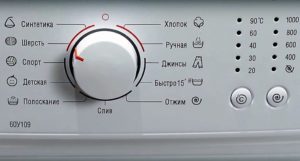 Designed for cleaning delicate, easily deformed fabrics. When selecting the gentle program, the drum does not spin at high speed, but rather rotates gently from side to side. This minimizes mechanical stress on the laundry. Special modes simulate hand washing.
Items with delicate textures are best washed this way. These include special programs like "Hand Wash," "Soft Wool," and others.
A mode for those in a hurry
Quick cycles offered by automatic washing machine manufacturers are suitable for daily refreshment of items or light soiling. Depending on the model, express cleaning can take between 15 and 40 minutes. Washing occurs with minimal consumption of electricity, detergents and water resources. Some washing machines feature a "Daily Wash" feature, which features a similar cleaning process. The "Quick Wash" program features:
- Suitable for lightly soiled items, for refreshing or rinsing them after wearing them during the day;
- may not be able to remove stubborn stains;
- ideal for cleaning both white and colored fabrics;
- characterized by increased savings in consumed resources.
It's best not to fill the washing machine drum to the brim. It's best to remember the half-load rule.
Programs for especially dirty laundry
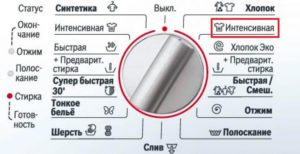 A modern washing machine effortlessly tackles even the deepest stains. For these purposes, the intelligent system includes pre-wash, soak, and stain removal options. Features of the intensive modes:
- even the most stubborn stains are easily removed;
- The washing time in most cases exceeds 2.5 hours, since the items in the drum are pre-soaked by the system;
- After soaking, the water is completely drained from the tank, and clean liquid is collected in its place, in which the main wash takes place.
The stain removal and intensive washing program is applied in compliance with certain recommendations:
- Before starting the additions, you should apply a special agent (bleach, stain remover) to the dirty area and only then load the item into the drum;
- the first step in removing stains should be in forty-degree water;
- Intensive pollution control occurs in the second stage, which is characterized by an increased temperature regime and an increased cycle duration.
By following these recommendations, you can remove almost any stain from your laundry. Modern washing machines are equipped with a huge range of programs and features, and if you understand them, you can ensure the highest quality care for your wardrobe items.
Rules for the use of funds
Selecting detergents is also an important preparatory step. Properly selected detergents will ensure excellent washing results. To ensure clean and fresh clothes while maintaining the quality of the fabric, it's important to follow the basic rules for selecting and using detergents.
- Buy cleaners specifically designed for automatic washing machines. Activator-type or manual cleaning powders are not suitable for automatic machines. They create excessive foam, which can damage the washing machine's components.
- Choose products that are designed to clean specific types of fabric.
- White items are washed with separate detergents containing a larger amount of bleaching agents.
- Special products are also available for colored clothing. They do not contain bleaching agents, but rather are designed to maintain the fabric's brightness.
- Enzyme-based detergents only work well in cool water. They remove even the toughest stains effectively, but are not suitable for washing items at temperatures between 60°C and 95°C.
- The form of the product also matters. Powders have a higher concentration of active ingredients, while gels are gentler on the material.
- If necessary, fabric softeners, bleaches, and stain removers can be used in conjunction with the main detergent.
- Pay special attention to the ingredients; they should be free of non-ionic surfactants, phosphates, and optical brighteners. Those prone to allergies should choose fragrance- and fragrance-free products.
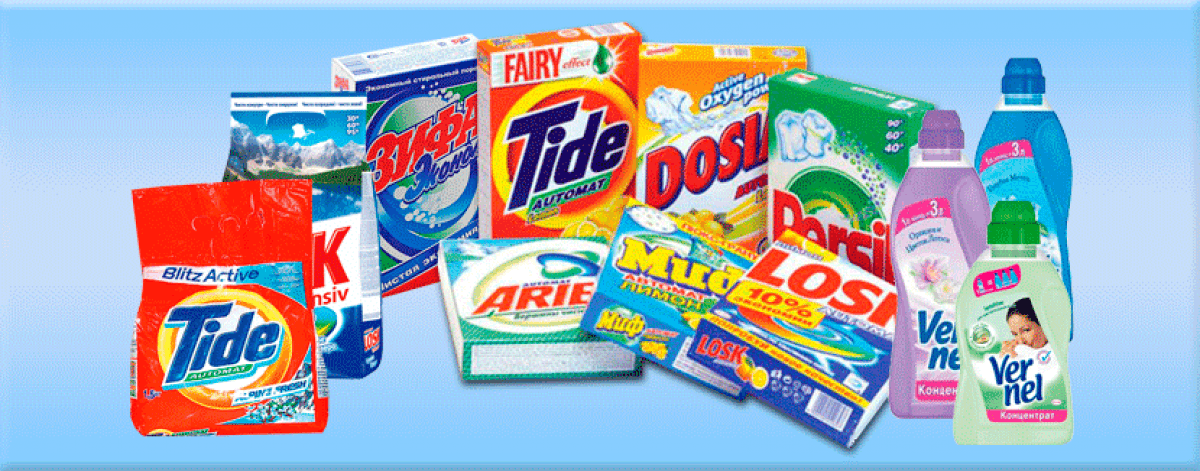
The selection of household chemicals on store shelves is simply enormous. It's important not to be swayed by advertising and instead choose truly effective and safe laundry detergents.
Taking care of equipment
You can increase the service life of your washing machine by ensuring proper care. The user only needs to clean the device periodically and use various compounds that prevent scale formation. The recommendations will be as follows:
- Be careful not to let any metal objects, such as coins, bra underwire, etc., fall into the machine's drum. These items can cause serious damage to the washing machine;
- If the machine is washing and you need to disconnect it from the power supply, first press the power button and only then pull out the cord;
- Once a month, clean the drain filter from accumulated debris;
- periodically flush the machine systems with special anti-scale agents;
The buildup of deposits on the washing machine components can cause the machine to malfunction. To clean it, pour the cleaning solution into the dispenser and run a normal wash cycle.
- Wipe the drum and the door seal after each wash.
Before using your washing machine, carefully review the model's specifications, read the step-by-step instructions for connecting the appliance, and understand the basic operating instructions. Also, remember to regularly maintain your "home helper" to prolong its trouble-free life.
Interesting:
Readers' comments
Headings
Washing machine repair




For buyers




For users


Dishwasher




Add a comment