
Rules for washing clothes in a washing machine
 Nowadays, there's no need to wash clothes by hand—automatic machines take care of that. Thanks to sensors and built-in algorithms, modern machines can replicate hand washing, making it safe and effective. The key is to properly sort your laundry and prepare it for machine cleaning. By following the basic rules of machine washing, you can further protect your items and improve cleaning results. Let's explore all the nuances and recommendations.
Preparing dirty clothes for washing
You need to prepare items for washing as soon as they become dirty, otherwise a small stain can develop into a difficult-to-remove nuisance. Therefore, the first rule is to wash regularly, avoiding piling up dirty items. Especially if wine or grease has spilled on the fabric: wash the stained area immediately and treat it with a stain remover. Don't forget about the storage conditions of your clothes, either. It is important to choose containers with holes so that the laundry can “breathe” and not cause mold and unpleasant odors.
It is necessary to check the pockets of items before loading them into the drum – documents, keys, money, bank cards and trash may remain there.
The second point concerns sorting. It's not recommended to wash everything at once in the washing machine. Before washing, all items should be sorted into piles. First, sort by color into light, dark, and colored items, and then by fabric type. Delicate materials such as silk, wool, and synthetics should be placed separately from heavy cotton and linen. Place fade-prone items in a separate pile.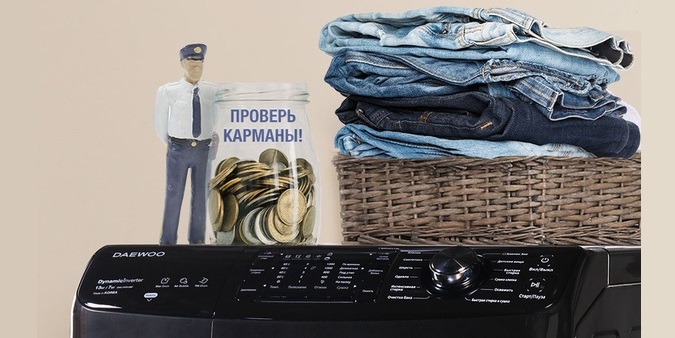
It's important to prepare sorted items for immediate loading into the machine. This involves the following steps:
- check your pockets (they may contain both important items and forgotten trash);
- tie the laces, fasten all the zippers and buttons (unfasten the buttons, on the contrary);
- turn inside out (especially down jackets, jeans and trousers);
- remove all detachable items and decorations (pins, keychains, belts);
- unfasten the hood;
- shake out the fluff from the corners (if you are washing bed linen).
It's recommended to use protective laundry bags. These bags are best for small items, underwear, and heavily embellished items. This solves several problems at once: preventing small items from getting into the drum, protecting fabric from abrasion in the drum, and preventing embellishments from scratching the machine and other clothes.
Features of loading things into the drum
Another rule for washing clothes concerns ensuring the drum is loaded sufficiently. Each model has a different capacity, ranging from 3.5 to 15 kg. This parameter is always specified in the instructions and is also printed on the machine body. There are two values: minimum and maximum.
It is important to remember both the minimum and the maximum. Overloading or underloading can cause imbalance, which can lead to serious mechanical damage to the washing machine. To prevent this, it is necessary: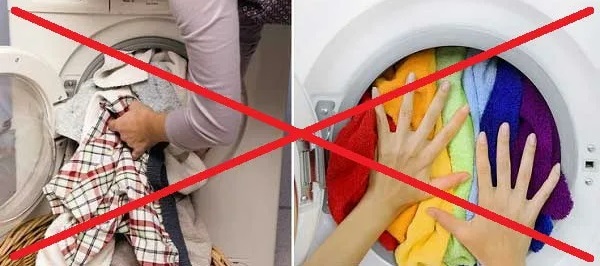
- do not fill the drum to capacity;
- distribute things evenly along the walls of the cylinder;
- do not wash bulky and small items at the same time (for example, bedding and socks);
- When cleaning shoes, add old items to the drum.
Each washing machine has a maximum and minimum drum load weight!
There's no need to weigh each load before loading it into the machine. Approximate guidelines are sufficient. For example, with cotton, the drum can be filled completely, but not packed tightly. Synthetics should be loaded no more than halfway. If washing wool or down-filled items, at least two-thirds of the drum should be empty.
Finding the right mode
The cycle parameters are selected based on the color and type of garment being washed. Ideally, you should refer to the care label attached to the garment, as it provides the manufacturer's care instructions. If such information is not available, then follow the general washing guidelines: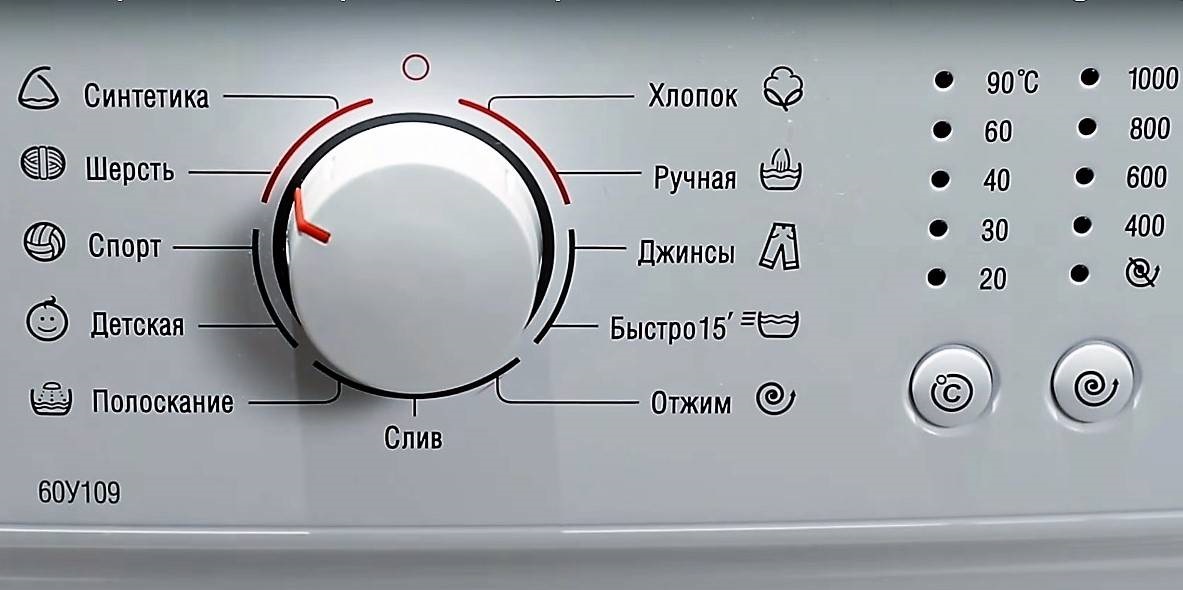
- Light and white cotton linen is washed in water heated to 60-95 degrees and wrung out at maximum;
- colored cotton – heating up to 60 degrees and spinning at 800-1500 rpm;
- synthetics – warm water and medium spin speed;
- for delicate materials, select programs with heating up to 30-40 degrees and minimum spin;
- Fading items are washed in cool water on any spin cycle.
There's no need to manually set the cycle—just activate one of the factory-set modes. Modern washing machines have more than ten of these, plus additional options and features.
Which powder should I take?
Machines require appropriate cleaning products—those labeled "Automatic." Hand washing powders and gels tend to produce excessive foam, which is dangerous for the machine. It's also important to check the ingredients: choose natural ingredients without phosphates or harsh bleaches.
When choosing a powder, we also take into account the type of stain: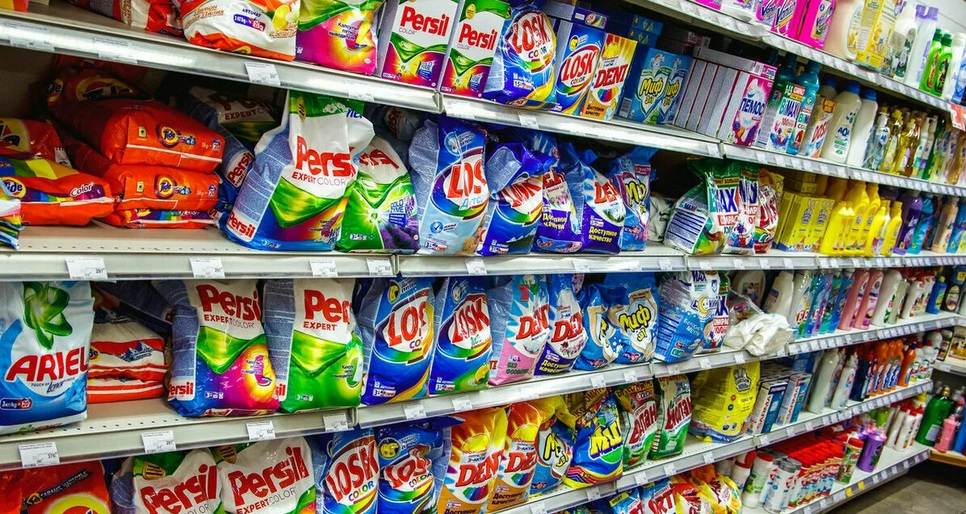
- sweat, salt - any powder;
- dust, grease, paint – dry cleaning, bleach;
- tea, coffee, grass, wine - bleach;
- starch, chocolate, blood – enzymes.
Ideally, you should have several products at home: for whites and colors, children's clothes and delicate fabrics. Down jackets and blankets are washed only with gels, since powder granules dissolve worse in cold water and settle in the filler.
Tips from experienced housewives
To avoid any surprises with machine washing, it's worth keeping in mind some lesser-known recommendations. One of them is to pre-test the fabric for color fading. Experienced homemakers recommend dampening a section of the garment and then wiping it with a white cloth. If the color doesn't come off, it's ready to wash.
A few more tips:
- When rinsing terry towels, add salt to soften the material;
- hem buttonholes on knitted and jersey fabrics to prevent deformation;
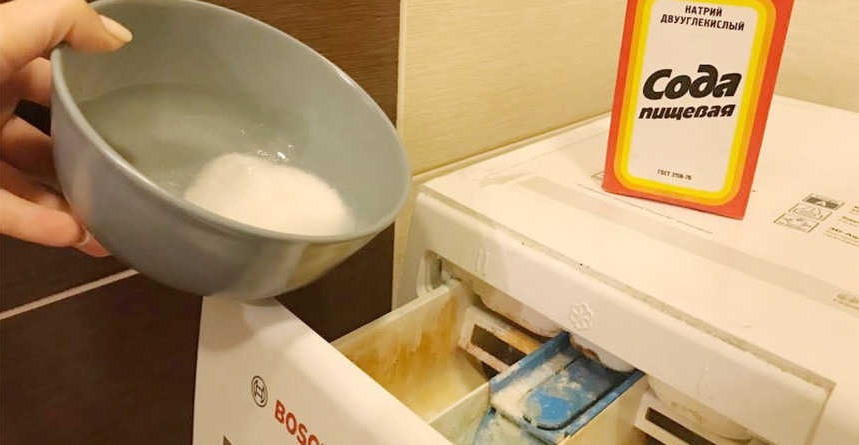
- When washing, add soda to the tray to soften the water.
Salt and soda soften hard water and fabric!
Modern washing machines are equipped with a variety of modes and features that make cleaning safe and effective. All you need to do is choose the right detergent, sort your clothes, load the drum, and start the cycle.
Interesting:
Readers' comments
Headings
Washing machine repair




For buyers




For users


Dishwasher




Add a comment