
Is there a fuse in the washing machine?
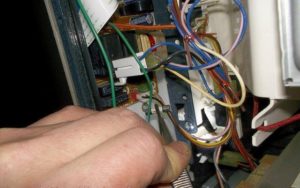 Few people realize that a washing machine, like other major electrical appliances, may also have a fuse. When an electrical problem occurs, some technicians check the power cord and immediately start digging around in the control module. This is incorrect: you should first determine whether the washing machine has a fuse. If so, it needs to be checked to ensure it's working properly. We'll discuss how to do this in this article.
Does the washing machine have an electrical fuse?
Before starting any repairs, you should check whether your washing machine even has a fuse, as it's quite possible your particular model doesn't have one. In this case, it's not even the model itself that matters, but where it was manufactured. But first things first. The fact is that all washing machines manufactured in Europe for the EU market are equipped with fuses. Electrical appliances without fuses are not allowed to be sold there.
On the contrary, in the CIS countries and, of course, in Russia, there are no such requirements, meaning we can sell machines without a fuse. According to our technicians, only some models of Indesit and Samsung automatic washing machines, both Chinese and Russian-made, feature fuses, but these are the exception rather than the rule.
In the vast majority of cases, if your automatic washing machine is made in China, there are no fuses in Russia or Ukraine. However, if you own a semi-automatic washing machine manufactured before the 2000s or early 2000s, it's likely to have a fuse. And it shouldn't be difficult to find.
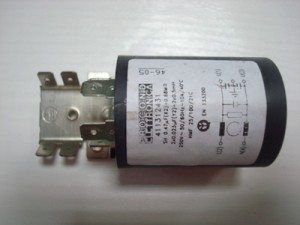
Please note! Some novice homeowners confuse the washing machine's surge protector with a fuse. This should never be done.
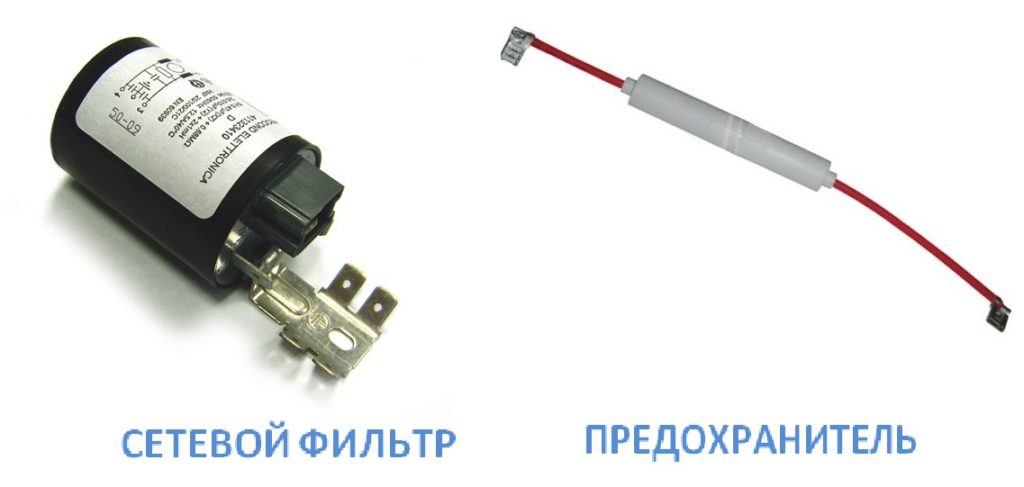
Where can I find this part?
Let's start with the fact that there are a huge variety of washing machine models. The same manufacturer may place the fuse in different locations in different models, so to avoid guesswork, consult the wiring diagram for your machine. If you're having trouble finding the wiring diagram for your washing machine, don't worry—we'll try the trial and error method.
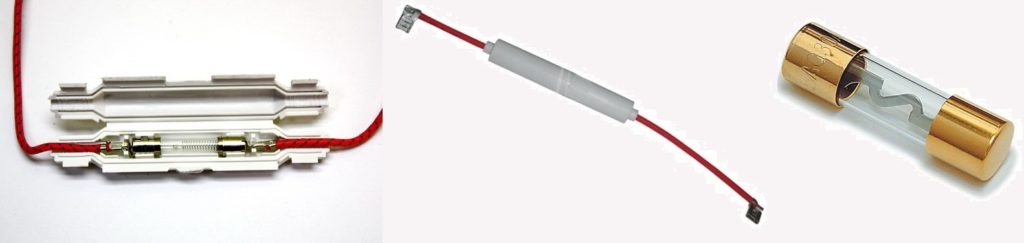
The washing machine fuse should look something like the one in the picture above. You can remove the top cover of the machine and visually inspect the insides to see if there's anything similar.
You need to pay attention to the places where such a fuse is most likely to be installed:
- at the base of the power cord inside the washing machine body;
- directly next to the control board;
- inside the power supply;
- at the end of the power cord inside the plug.
If you've carefully inspected the inside of your washing machine and haven't found the fuse you're looking for, it's probably not there. But just in case, it's best to take the trouble and find your machine's wiring diagram; then everything will definitely fall into place. It's quite possible that your washing machine's malfunction is caused by a faulty control module. In this case, you might find the following article helpful: Is it worth repairing electronic modules??
How to repair?
If you've found the fuse, carefully remove it from its protective housing or special slot on the control board. Next, use a multimeter to check the fuse's resistance. The faulty part needs to be replaced, as everyone knows that fuses cannot be repaired. Purchase a similar fuse from a local retailer or order it online, replace the burned-out part, and your machine will start working again.
Important! If you don't have a multimeter handy, you can check the fuse the old-fashioned way (if it's not a flat fuse). Hold the part up to a light source and examine it under a magnifying glass. There's a thin wire inside the bulb; if it's broken, the fuse is dead.
To summarize, if your washing machine is experiencing electrical problems, it's possible that its fuse has blown. You need to determine whether it even has a fuse, and also check for all possible causes of the malfunction and the corresponding symptoms. For guaranteed results, it's best to consult a specialist. Good luck!
Interesting:


Readers' comments
Headings
Washing machine repair




For buyers




For users


Dishwasher




Add a comment