
Pre-wash in an Ariston washing machine
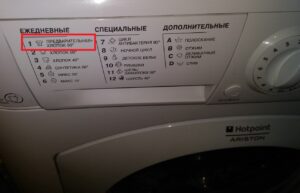 As you know, prewash is a very common feature in Ariston washing machines, found in almost every modern "home assistant" from this brand. Despite its widespread use, many housewives still don't know what this feature is for or how to use it correctly. This needs to be addressed.
What is this algorithm?
Users and experts are often skeptical about the introduction of new features in washing machines, believing that they represent more "quantity" than "quality." Indeed, the number of modes in modern appliances has long since reached double digits, and quite a few of them are used very rarely. However, this doesn't mean that all new options were invented solely for quantity. Pre-wash is definitely not on the list of unnecessary programs.
Moreover, in terms of usefulness, this function can be put on par with rinsing and spinning, because if you don’t use it, the quality of washing dirty laundry will leave much to be desired. To make it easier to understand what pre-wash is and how this function works, let's compare it to soaking clothes in a basin. This is a standard procedure that our mothers and grandmothers used to do – they would place the dirtiest items in a basin with dissolved detergent for several hours, so that they would be easier to wash later by hand or in a washing machine.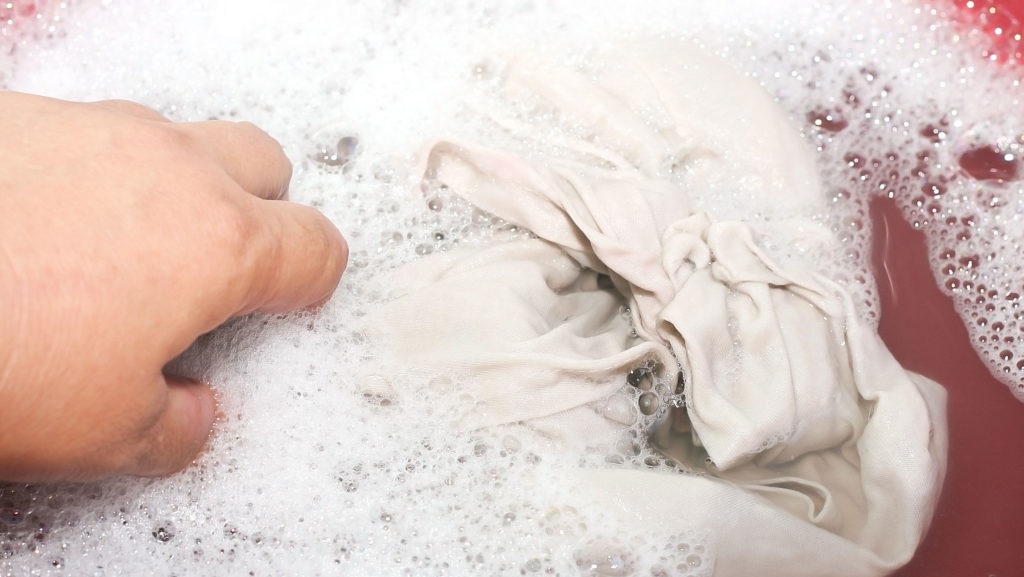
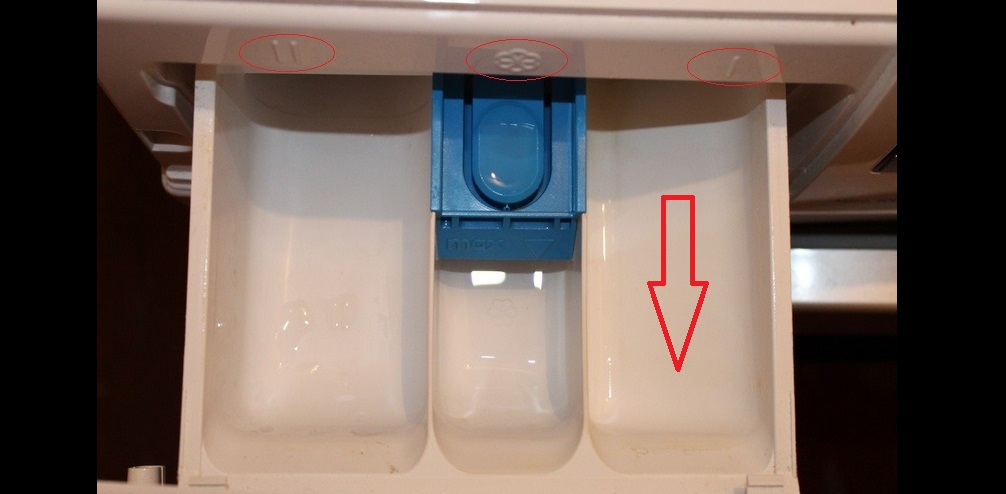
The pre-wash function works on the same principle, except without human intervention. The owner's involvement in this procedure is limited to adding additional detergent to the appropriate compartment, marked with the Roman numeral "I" on the drawer, and activating this mode on the appliance's control panel. After this, the machine will begin operation.
- It will draw a lot of water from the tap and heat it up a lot.
- While filling with liquid, the machine will absorb all the powder from the dispenser intended for the pre-wash mode, but will not touch the powder from the compartment marked with the Roman numeral “II”.
- Then it will start rotating the drum slightly so that the detergent dissolves better and the laundry absorbs the powder more thoroughly.
- After a long period of time, the machine will stop the drum and drain the used liquid into the drain.
- The machine will then begin filling with water again, this time to dissolve all the powder in the main mode compartment.
There is no point in describing the further process, since it corresponds to the standard working cycle, which includes washing, rinsing and spinning. If desired, you can also activate an extra rinse, which is useful for situations when you need to wash baby clothes or fabrics that are difficult to rinse.
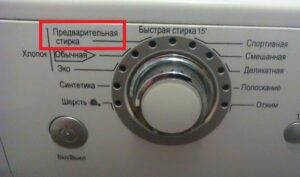
Now you know how to use this function, which is very similar to a classic soak. The only difference is that this "soaking" is performed not by human hands, but by a smart, high-tech device that automatically applies mechanical pressure to the laundry to help the detergent penetrate the fabric. In Ariston appliances, this mode is very easy to find on the control panel, as it's usually called "Prewash," "Cotton Prewash," or "Prewash + Cotton."
Proper preparation of laundry plus pre-wash
Unfortunately, sometimes clothes are so dirty that even pre-washing is unable to remove stubborn stains, such as dirt or food. This may be due to the fact that the owner of the machine simply did not properly prepare the dirty clothes for the washing machine cycle. At this point, many users may be surprised to learn that there's any special pre-wash preparation beyond separating clothes by color. In fact, the list of pre-wash preparation steps is much longer.
- Never wash clothes with different soil levels together. This is not only because the items will heavily soil each other, but also because colored items can stain light-colored and white items during the soaking and pre-wash cycles, when they are left pressed together for an extended period in a basket or drum.
- Don't keep dirty clothes for too long. It's best to wash them at least once a week, if not more often.
In a private home, it is always advisable to thoroughly inspect dirty items that have been left in the laundry basket for a long time before washing them, especially because they can harbor household insects such as ants, flycatchers, and others.
- If your clothes are heavily soiled, it's best to treat them with a special household chemical before loading them into the washing machine to prevent the stains from setting in further after washing.
- Always turn duvet covers and pillowcases inside out before washing. Don't forget to remove any clumps of lint from the corners of your bedding.
- Make sure all buttons on your clothes are securely sewn on and that there are no loose threads, so that they don't accidentally come off while you're working and end up in the "home helper's" tank.
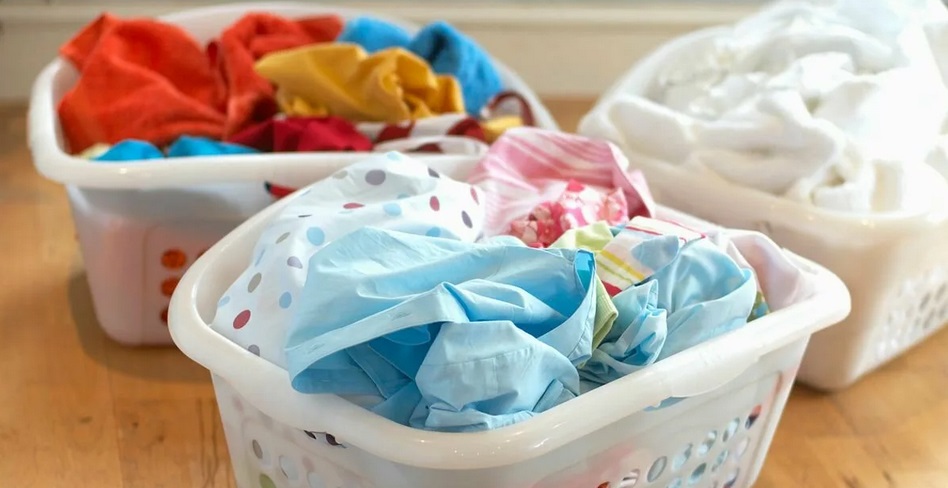
- Always pre-sort your clothes into piles, separating them by color, fabric type, and degree of soiling.
- Do not wash shoes without a special shoe bag.
Even if you wash shoes that aren't very dirty, and even in a special shoe bag in the washing machine, you should still do it separately from any other clothes.
- Pay close attention to household chemicals so that you wash colored clothes with one gel or powder, white clothes with a second, black clothes with a third, and so on.
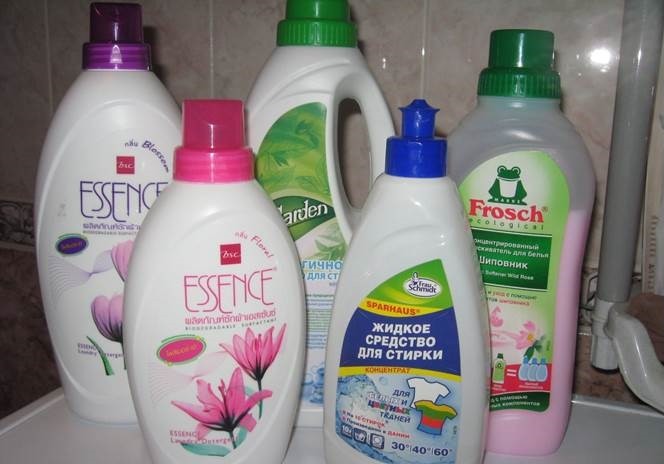
- Use not only detergents, but also fabric softener so that after washing your clothes are not only clean, but also pleasant to the touch and smell.
- Carefully check every pocket on your clothes, as important documents, keys, money, credit cards, paper clips, and other small items may be inside. Firstly, you could damage important items, and secondly, small objects like coins or pins can not only clog the dust filter but also damage the washing machine.
This concludes our list of recommendations. As you can see, there are no complicated or impossible steps, so we strongly recommend following them all. This will determine both the quality of your washing and the safety of your clothes and the washing machine itself.
Interesting:


Readers' comments
Headings
Washing machine repair




For buyers




For users


Dishwasher




Add a comment