
How to make an apple press from a washing machine?
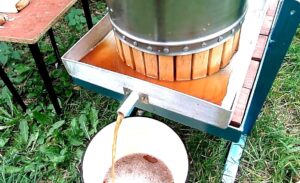 The idea of making an apple press from a washing machine arose back in the 1980s. Popular scientific journals of the time repeatedly published designs for juice presses made from Soviet semiautomatic machines like the Riga, Oka, and Vyatka. But even decades later, the idea of converting a washing machine into a useful household item is still relevant. We suggest rethinking this "concept" with a modern twist and making an apple press from a 21st-century washing machine. Step-by-step instructions with explanations are provided below.
What is this for?
The desire to make an apple press with your own hands is hardly explained by the desire to save money. In fact, buying a juicer is much easier, and these devices are not expensive.What's more, you won't have to waste time searching for tools, testing, or doing the work itself—all you need to do is walk to the store.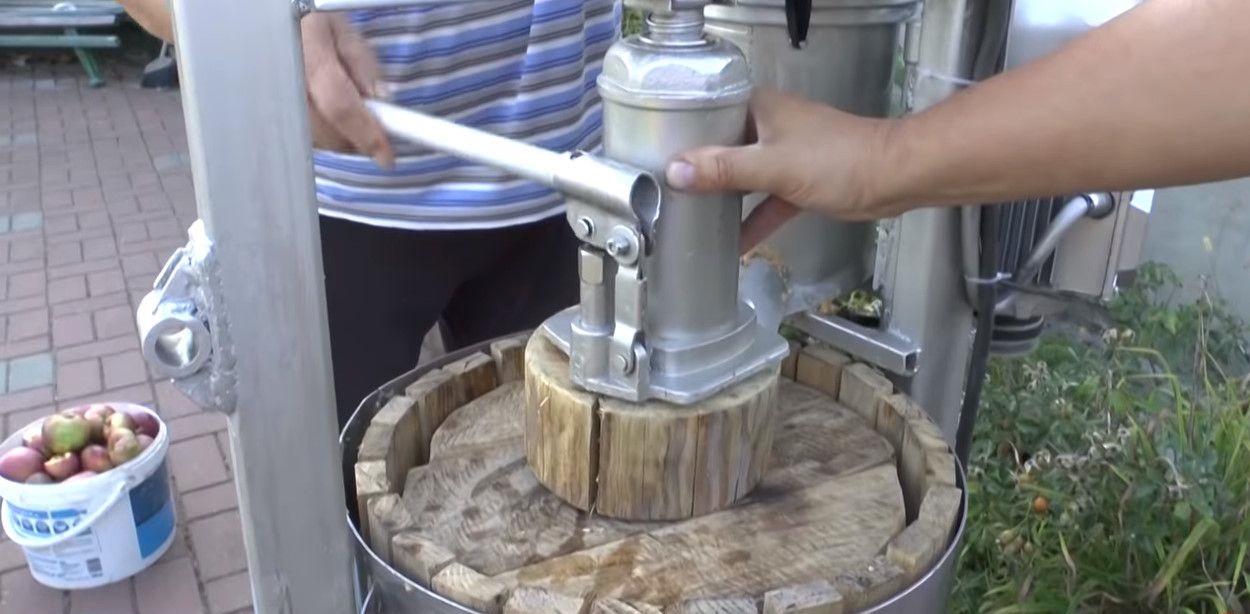
The point is something else entirely – the process itself. DIYers enjoy giving old things new life, turning junk into something useful and useful. It's also a great way to show off to friends and acquaintances, test your skills, or add to your DIY collection. Especially if you have the time and desire to build a worthwhile machine from scrap metal.
You can make an apple press from any washing machine, both front-loading and top-loading.
Modern washing machines are a great source of inspiration for new inventions. They can be converted into a concrete mixer, a crusher, a miniature sander, and many other devices and designs. A juicer completes the list. Want to give it a try? Then get your tools ready and get to work.
Parts and tools
The first step is preparation. You need to gather the necessary tools, as well as any additional materials and parts. For a juicer, you'll need:
- broken washing machine – 1 pc.;
- shock absorber spring – 2 pcs. (they will help compensate for horizontal centrifugal force);
- metal mesh measuring 30 cm by 6 cm – 2 pcs.;
- 3mm fasteners;
- container, basin or bucket – 1 pc. (for collecting juice and pulp);
- drain hose – 1 pc.;
- plugs.
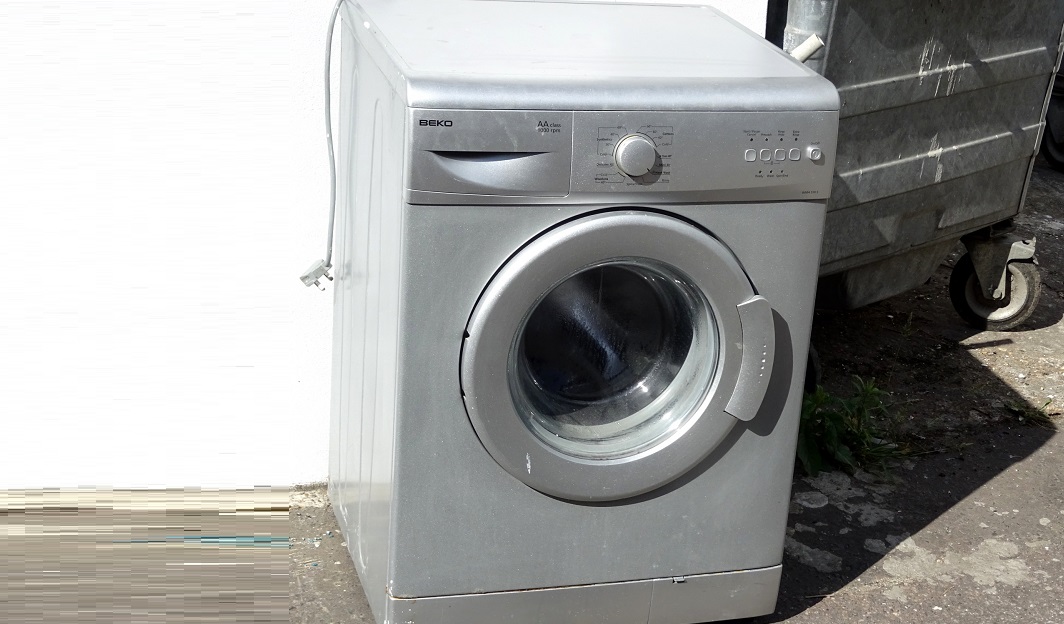
The washing machine won't be fully assembled, so remove any unnecessary parts immediately. For example, you should immediately remove the pump, level sensor, inlet valve, debris filter, and control panel with electronics. Be sure to remove the bottom and back panel from the body. These won't be needed for the future press.
To make a fruit and berry juicer, you will need an automatic or semi-automatic machine and a few additional parts.
As for the tools, you should prepare:
- drill with drill bits;
- grinder;
- welding machine;
- Phillips and slotted screwdrivers;
- metal cutting scissors;
- set of open-end wrenches;
- pliers;
- hammer.
The general procedure for converting a washing machine into a juicer looks like this: The machine is placed with its back panel facing down and secured with blocks at the corners to ensure stability. The hatch, rubber cuff, drum with tank, motor and drive remain in place as key elements of the press. As for starting the system, the engine is connected separately, as the control board has been removed. Now we can begin preparing the parts for subsequent assembly. First, let's get to the tank:
- we pull the belt off the pulley and the engine;
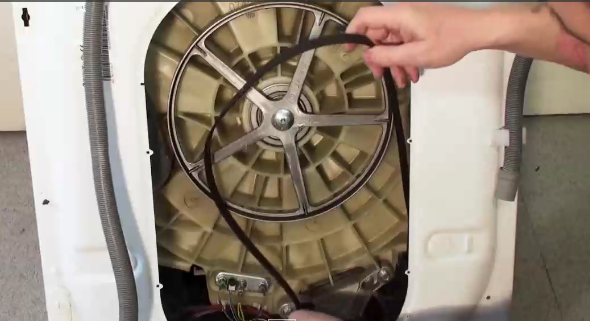
- unscrew the shock absorbers;
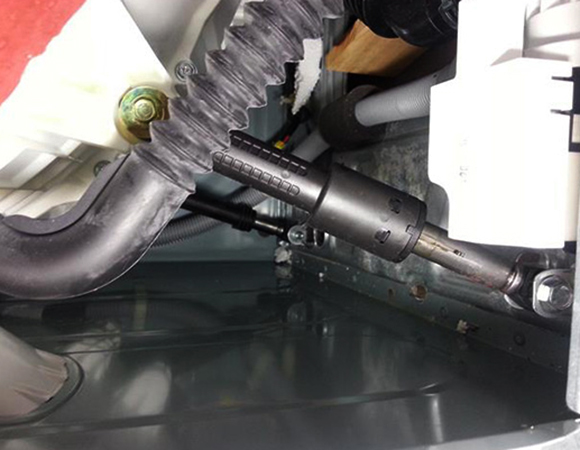
- we free the tank from the remaining connected parts (heater, temperature sensor, dampers, pipes);
- loosen the clamps on the cuff and remove the seal;
- we take out the tank with the drum.
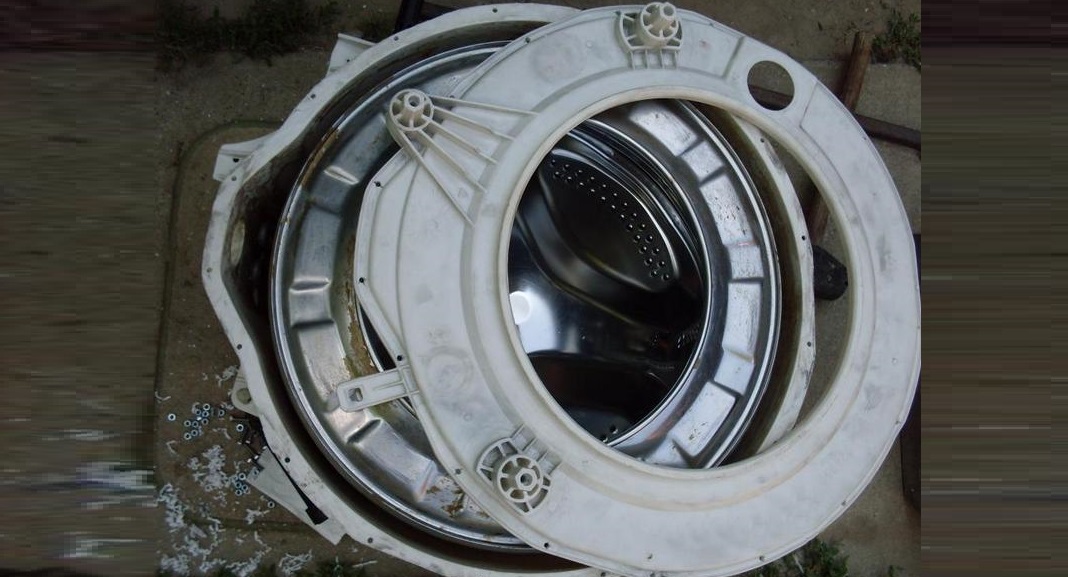
Next, proceed as needed. If the tank can be disassembled, remove the screws provided around the perimeter; if it's a single piece, carefully cut it in half with a grinder along the weld. There's no need to disconnect the drive or remove the drum cylinder. The main purpose of disassembling the tanks is to remove accumulated dirt, scale, and soap scum. A rag and soap alone aren't enough; it's recommended to disinfect the interior with a vinegar solution.
It is recommended to convert automatic front-loading juicers with stainless steel tanks into juicers.
The result is a clean tank: free of dirt, debris, and unnecessary parts. The freed holes from the sensors and instruments are closed with the plugs we prepared in advance. Only one hole remains – the drain pipe. We'll leave it alone, as it's needed to connect the new hose. Now we turn our attention to the drum. The existing perforations need to be welded shut, as the holes are too large. We'll drill new holes in their place, but smaller ones – 1 mm maximum. We also detach the rib punches from the walls, leaving the grooves and clamps provided for them: they'll be useful for cutting fruit.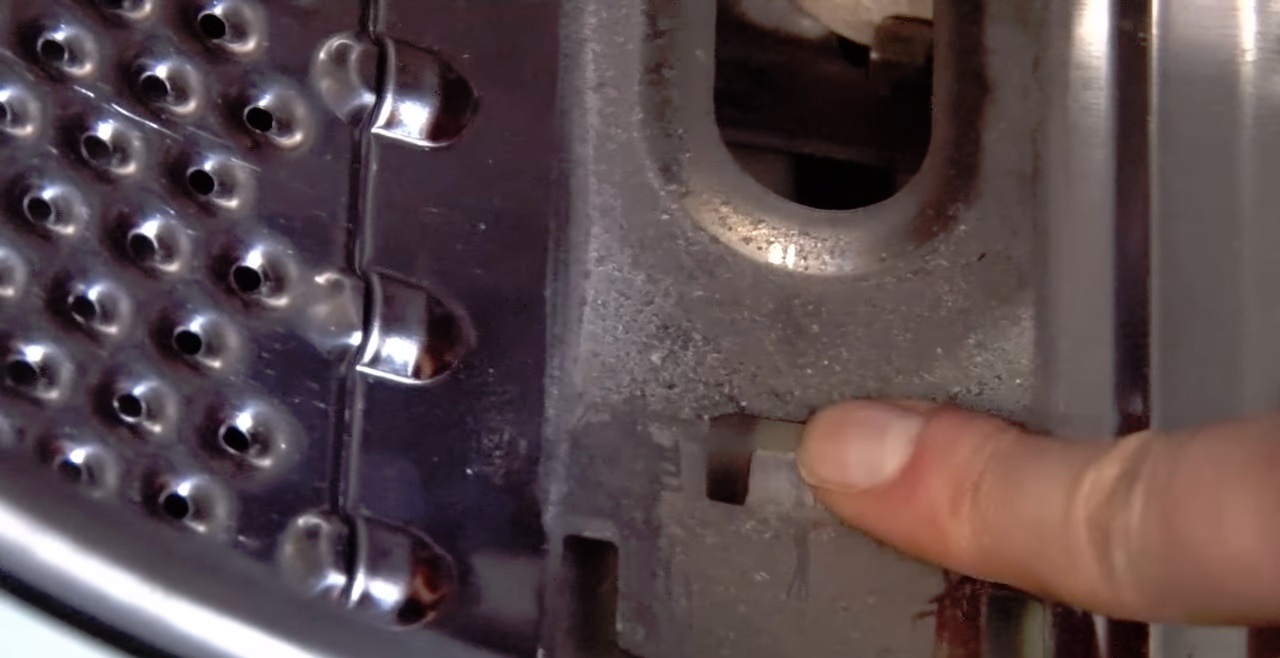
The final stage of preparation is tank assembly. If the tank was a single piece, to connect it, you'll need to drill about 20 new holes around the perimeter, seal the joint with sealant, and then screw the halves together. Any excess sealant should not be trimmed off; it will provide additional leak protection.
That's it! All that's left is to return the drum to its place in the washing machine. We'll also reinstall the shock absorbers and secure the gasket to the door. This completes the preparation – we can begin assembly.
Assembling the press
The next step is to assemble the prepared parts into a single structure. First, we turn our attention to the drum—it needs to be "finished" and transformed into a fruit receptacle. The sequence is as follows:
- we fix the mesh on the surface of the drum (between the previous “blades” and on the back);
- we fix the mesh with screws (it will work as a shredder);
- We straighten the fastenings from the rib punches and sharpen their edges (they will become “knives” and will be useful for cutting fruit).
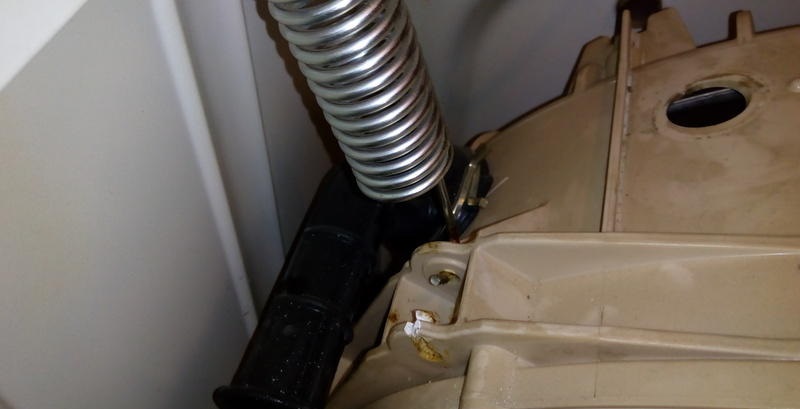
The drum has been transformed into a fruit receptacle. We're also extending the juicer's lifespan by upgrading the shock-absorbing system. The tank should be additionally secured with two springs, screwing them to the wall of the housing.This will help dampen the vibration emanating from the cylinder due to centrifugal force propagating horizontally. It's important to understand that the washing machine's position has been changed; the unit is turned on with the hatch facing upward, which will disrupt the initial balance. Finally, we adjust the drive mechanism by connecting the motor to the power supply. To do this, find the power cord with a socket and connect it to the motor terminals.
Operation of the unit
Once assembly is complete, immediately test the juicer's functionality by running the "washing machine." The drum should spin immediately at maximum speed. It's important that there are no extraneous sounds, such as rattling or clanking. Be sure to check the stability of the unit and the reliability of the support blocks.
Was the test successful? Then slide a juice container under the drain hole and load the drum with the "filling." The amount of fruit should be moderate: if you overload, the apples won't be crushed, they'll yield less liquid, and worse, they'll damage the bearing assembly.
Do not fill the fruit collector more than half full!
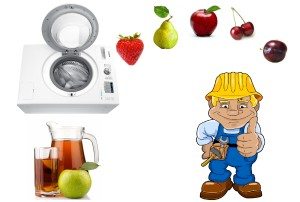
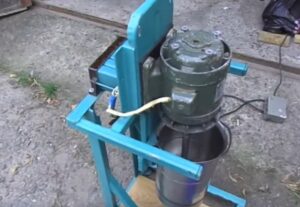
The homemade press works according to the following principle: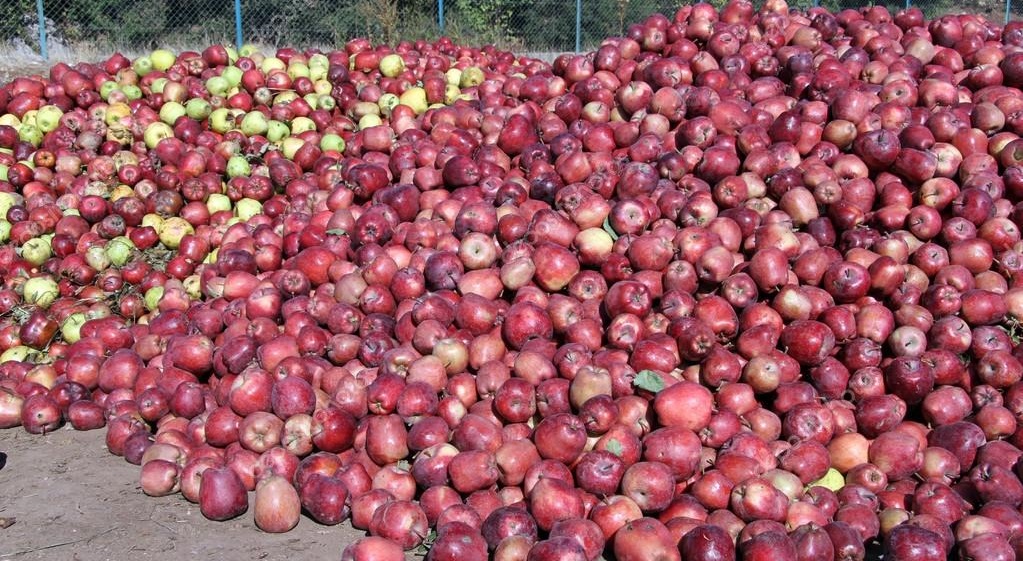
- the fruits are spun in the drum at a speed of 800-1200 rpm, depending on the power of the washing machine;
- Due to the centrifugal force, the mesh and sharpened fasteners, the fruits are crumbled;
- the apples are “mashed”, the juice and part of the pulp are squeezed out through the holes in the drum into the tank;
- The juice flows down the walls of the tank and through the drain hose “goes” into a container placed nearby.
It is important to adhere to the loading norm for the fruit receiver in order to avoid damaging the unit and obtain high-quality juice. Calculating the maximum volume is simple – we focus on the density of the fruit: the greater it is, the fewer pieces we put in. So, hard apples are poured up to half the drum, and soft ones – up to 1/3.
Interesting:

Readers' comments
Headings
Washing machine repair




For buyers




For users


Dishwasher




Add a comment