
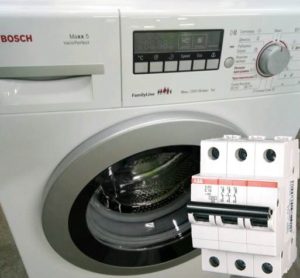
When I turn on the dishwasher, the circuit breaker trips.
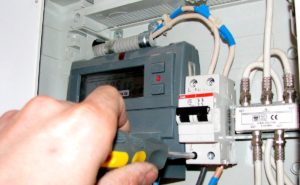 A dishwasher is a fairly complex electrical appliance that places a significant load on the electrical system. If the dishwasher trips the RCD when turned on, this should at least raise concern. Operating the dishwasher under such conditions is strictly prohibited, at least until we can determine the cause of this behavior. Let's find out!
Let's look into the reasons
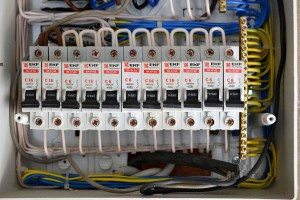
If your dishwasher trips its circuit breaker, it's usually due to a short-term overload, which triggers the residual-current device (RCD). Be sure to note how often this tripping occurs; this will help you quickly narrow down the possible causes, but let's not get ahead of ourselves. So, what's the problem?
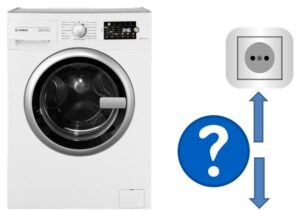
- First of all, you need to check the condition of the socket. There may be too many consumers connected to one outlet. This is especially important if the dishwasher is not connected directly to the outlet, but through an extension cord.
- Also, the machine may trip due to a damaged power cord, which, by the way, may simply be pinched.
- If the wire is in good condition, you need to test the dishwasher's surge protector.
- This type of dishwasher behavior may be caused by faulty power button contacts. Water and condensation can cause oxidation of the contacts, which in turn leads to these consequences.
- The cause may lie within the dishwasher's body. When a damaged heating element leaks into the body, the residual-current circuit breaker (RCD) may be triggered, cutting off power to the circuit.
The danger lies in the fact that the RCD doesn't trip immediately when a current leak occurs, but rather after a certain delay. If the user touches a metal part of the dishwasher's body during this time, they could receive a "severe jolt."
Heavy load on the power grid
If you decide to troubleshoot a tripped RCD or blown fuse yourself, remember safety precautions. And if you've never worked with electricity before, it's best to entrust the job to a professional; don't expose yourself to unnecessary danger.
First, try unplugging all unnecessary electrical appliances from the outlet and plugging in only the dishwasher. If the dishwasher was connected via an extension cord, remove it and plug the appliance directly. Still tripping? Unplug the dishwasher and use a multimeter to check the wiring that powers the outlet. The wires may be old or damaged somewhere.
Sometimes, when punching holes in the wall with a hammer drill, homeowners hook up the power supply wire to the outlet, which very quickly turns into this kind of embarrassment.
Power cord, filter, on/off button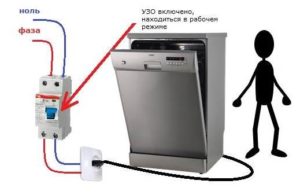
As you've already figured out, to determine the cause of such a malfunction, you need to confidently use a multimeter. We'll also need one when checking the power cord. First, check the wires for breaks. If the wiring beneath the insulation is damaged, the device will immediately detect it. While you're at it, disassemble the surge protector; the power cord may be loosely connected to it. You'll certainly find traces of carbon and soot on a poor connection, which will indirectly indicate a breakdown and the smell of burning wiring.
In this case, either replacing the power cord or, if the problem is with the contacts, thoroughly cleaning them will help. Replacing the contacts may suffice. A burnt-out power filter cannot be repaired; only a complete replacement will help. We take measurements with a multimeter and, if a problem is detected, replace the surge protector. Some DIYers, to determine if the surge protector is faulty, connect the power cord directly to the dishwasher's electrical outlet. This is a quick, but unsafe, method, as it can damage the control module, which would require a whole new repair and cost a whole new set of expenses.
After eliminating the power filter, you need to check the power button. To do this, you need to disassemble the dishwasher's control panel. Some machines have the panel on the front wall directly above the door, while others have it at the end of the door itself. The disassembly details will depend on the location of the control panel and the specific dishwasher's design. For more detailed information, please read the publication. Disassembling the dishwasher, we move on.
Once you reach the button, carefully inspect its contacts. If you find any traces of oxidation, replace the button entirely. If the contacts are clean, test the button with a multimeter. You should also check the integrity of the wiring that powers the button.
The heating element is broken
Some people think that a faulty heating element will inevitably produce poor heating, but this isn't true. For example, the heating element breakdown we mentioned earlier results in the element continuing to operate, causing a leak into the dishwasher's body. As a result, the water heats up, the self-diagnostic system remains silent, and the dishwasher can easily electrocute the owner if they touch the metal parts of the body with their hands, especially with wet hands.
Finding the heating element isn't difficult, but you'll need to completely unplug the dishwasher and move it to the center of the room. Then, open the side panel and access the heating element through the opening. What to do next? Set up a multimeter and check the heating element for leaks. If a leak is detected, the entire part will have to be replaced; it's not repairable.
So, if your Electrolux, Bosch, or any other dishwasher invariably trips the RCD when turned on, you need to take immediate action. Operating it with this problem is dangerous not only for the appliance but also for people. Be extremely careful and cautious. Good luck!
Interesting:

Readers' comments
Headings
Washing machine repair




For buyers




For users


Dishwasher




Add a comment