
Can bailiffs seize a refrigerator and a washing machine?
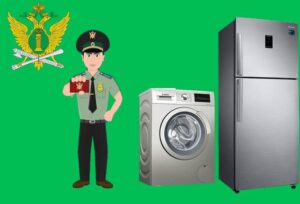 If outstanding debts remain unpaid for a long time, accruing penalties and interest, sooner or later the case will be heard in court, and bailiffs will come to the house. Then the difficult financial situation will worsen: in the presence of witnesses, bailiffs will assess the property and compile an inventory. The extent of the distress is proportional to the accumulated debts and the value of the items. To avoid paying "excess," it's important to understand the law and determine the limits of what is permitted. Let's find out whether bailiffs have the right to seize a refrigerator and washing machine, as well as dishes and other essential items.
Lawyer's explanation
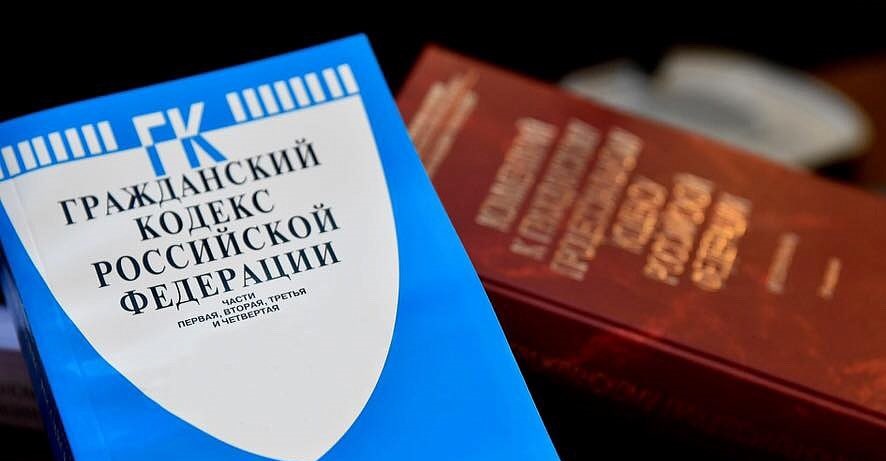
Like all law enforcement officers, bailiffs are guided by regulations and standards when taking inventory of a defaulter's belongings.They do not have the right to break into an apartment without witnesses and a writ of execution, or to inventory or remove valuables. Moreover, some property cannot be seized at all under Article 446 of the Civil Code of the Russian Federation. This last category of property includes nine items.
- A residential property or share thereof. If this property is the only living space available to the individual and their family. The only exception would be if there is an encumbrance on the apartment or house, whereby the square meters serve as collateral for a housing loan or as collateral for a consumer loan.
- Land plots. The same rules apply here as for residential property. If the land is registered as collateral for a loan or mortgage, the prohibition on inventory is lifted.
- Household goods. "Lawyers" are not allowed to inventory personal items, such as towels, shoes, or frying pans. However, if there are valuables, jewelry, or other luxury items in the home, the Federal Bailiff Service can seize them.
- "Professional" property. This includes items the debtor needs to continue their professional activities—an easel for an artist or a piano for a musician. The main requirement is that the value of such property be less than 100 times the regional minimum wage.
The procedure for inventorying property by FSSP employees is regulated by the Constitution, the Civil Code of the Russian Federation and a number of federal laws and regulations.
- "Economic" property. This category of property includes animals, deer, poultry, feed, and outbuildings if they are needed for housing and grazing livestock. One condition: none of the above can be used for entrepreneurship or profit-making.
- Seeds and gardening tools required for the next sowing.
- Food and cash. It's important that the amount of cash is less than the regional subsistence minimum, both for the defaulter and for their dependents.
- Fuel required for cooking and heating living space.
- Mobility aids and other devices required due to limited physical abilities.
- Prizes, state awards, orders, medals, commemorative signs issued in the name of a citizen.
There's no legal prohibition on inventorying household appliances—the regulations don't list appliances exempt from seizure. But law enforcement is unlikely to confiscate them either. FSSP officers explain that refrigerators and stoves are currently considered household furnishings, as they are essential for proper cooking in an apartment. Washing machines are also rarely confiscated, especially if small children or other disabled individuals live in the home. However, each case is strictly individual.
How do bailiffs act in practice?
If the debt is not repaid and there are no significant assets or savings, the law enforcement officers have no choice. In such a situation, bailiffs are forced to go through the apartment and inventory all valuables. This inventory can include, among other things, household appliances and electronics: from electric kettles and blenders to washing machines and refrigerators. However, the FSSP is unlikely to remove seized property from the home; more often than not, the seized items remain with the debtor under their personal responsibility. 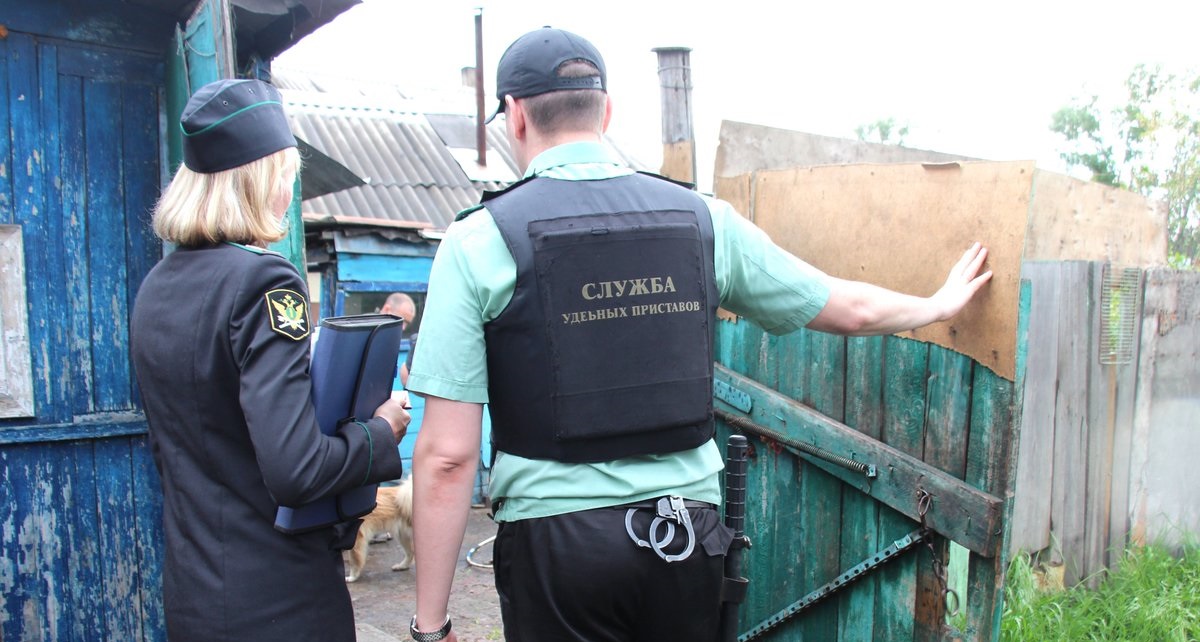
They are freely used by household members in everyday life, motivating them to pay off loans or other debts. If payments continue to be ignored, the "criminals" will have to file a full-fledged collection action.
Seized property often remains in the debtor's possession, motivating him to repay the debt as quickly as possible.
A debtor has the right to challenge a bailiff's seizure in the established court procedure. Moreover, this procedure requires no fee—it's completely free. However, it's necessary to be legally literate or to enlist the support of a lawyer. In reality, debtors are at a loss in the presence of bailiffs and witnesses. This applies especially to the elderly, the needy, and the incapacitated. They are unable to defend themselves, allowing the Federal Bailiff Service to remove refrigerators, washing machines, and other essential appliances. The only solution is to understand the law and your rights—forewarned is protected.
Interesting:



Readers' comments
Headings
Washing machine repair




For buyers




For users


Dishwasher




Add a comment