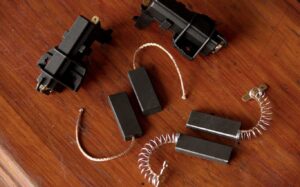
Washing machine brush motors are reliable and simple in design, but they do require periodic repair. This primarily involves replacing the brushes, which need to be replaced with new ones every few years. Otherwise, the motor will spark, overheat, and fail. Before replacing, it's necessary to lap in the brushes. Let's take a closer look at how and why this is done.
Options for "fitting" brushes
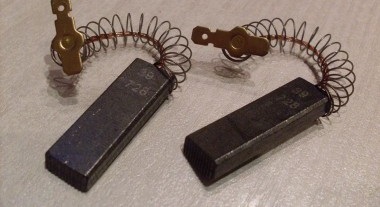
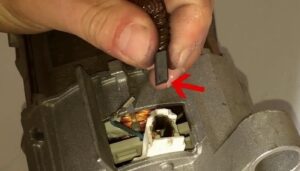
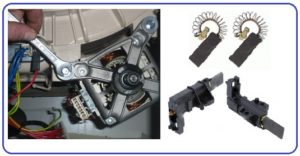
New brushes have long carbon tips, which are best pre-fitted to the washing machine motor. There are several ways to grind the "coals"The choice depends on the type of motor installed in the machine, user preferences, and available tools. The first "adjustment" option is the most common. The instructions are as follows:
Use a file and coarse sandpaper to sand down the electric brushes, adjusting the tip size to the engine;
fix the rods on the engine;
place a piece of sandpaper under the brushes (it is fixed with the “working” side to the coals over the entire surface of the motor);
Use your hands to adjust the anchor so that the paper touches the electric brushes;
clean the collector from carbon dust (with a dry cloth, ideally with an air flow);
start the mechanism with a load of no more than 30% of the operating capacity;
Remove dust from the engine body again with compressed air (otherwise there is a risk of the mechanism short-circuiting).
To grind the electric brushes of the washing machine motor, you will need coarse-grained sandpaper.
The second method involves adjusting the brushes using a strip of sandpaper. It is wound around the motor and securely fastened to the housing. The carbon rods are then inserted into the housings and rotated around the fixed armature. It's important to maintain the same direction of rotation in the generator.
There's a third option for lapping: place sandpaper, grain side up, on the motor and run it over the housing 2-3 times. Simultaneously, press the carbon brushes against the sandpaper. The fit is complete when the brushes lie flat on the commutator. Be sure to pay attention to the size of the sandpaper—it should be wider than the carbon brushes.
Why is this necessary?
Brush adjustment is required when replacing worn-out brushes, uneven wear, or improperly beveled carbon tips. This is necessary to ensure the motor operates properly, without sparking, noise, or vibration. Otherwise, a short circuit or other motor failure may occur.
To replace the brushes on time, you need to regularly check the motor. First, assess the length of the carbon tips. Second, measure the spring tension in the housings. The springs are tested using a lever dynamometer. If the locking mechanisms are not sufficiently elastic, the rods vibrate more, and the motor will fail faster.
An important detail is choosing the right brushes. They should match the commutator brand, rotate freely on the shaft, and fit snugly against the motor housing.
How do you know if the brushes are not worn in?
Grinding in brushes is a mandatory procedure when replacing them. If the carbon rods are not adjusted or adjusted incorrectly, the engine will not operate properly. Thus, the following “symptoms” indicate insufficient adjustment:
sparking;
uncharacteristic hum;
overheating of the mechanism;
increased vibration of the machine.
Proper lapping ensures uniform voltage distribution across the working surfaces. This results in quieter and better engine performance, increased power, and a longer service life. You can handle the brushes yourself, without the need for professional help. The key is to strictly follow the instructions and observe safety precautions.

 Washing machine brush motors are reliable and simple in design, but they do require periodic repair. This primarily involves replacing the brushes, which need to be replaced with new ones every few years. Otherwise, the motor will spark, overheat, and fail. Before replacing, it's necessary to lap in the brushes. Let's take a closer look at how and why this is done.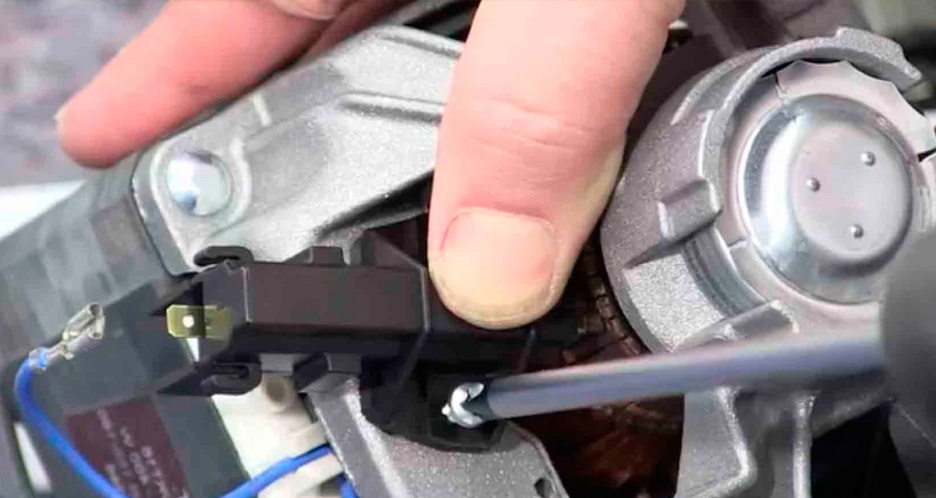

















Add a comment