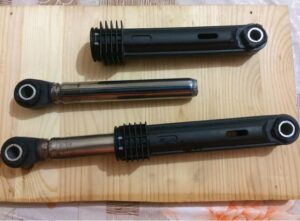
Manufacturers rarely use standard spring shock absorbers in washing machines, preferring to install shock absorbers with a simple design. Despite being much cheaper, these parts can often last for decades without deforming. However, this doesn't mean they're indestructible. That's why today we'll take a detailed look at the main signs of faulty washing machine shock absorbers, as well as ways to repair this important component, which will help you prevent serious damage to your "home helper" in the future.
Is the shock absorber broken?
You should not immediately start disassembling household appliances in order to remove and replace the damper. First, you need to check the functionality of this element, and only then plan the repair. What exactly should I do to find the problem?
Disconnect the equipment from all communications.
Remove the top cover of the housing, first removing the bolts holding it.
Reach into the washing machine tank with your hands.
Gently press down on it from above to lower it about 5-7 centimeters.
Then release your hand quickly and see how the tank behaves.
If the dampers are working properly, they should engage immediately—the tank will instantly rise, return to its original position, and stop. If the element begins to swing back and forth like a pendulum, the shock absorbers clearly need to be replaced or reconditioned.
Furthermore, it's usually possible to detect strut failure even without such diagnostics. You can tell if a shock absorber is faulty by doing the following:
During washing the machine makes a loud creaking and humming noise;
During the spin cycle, the washing machine actively jumps in place or even changes its position using peculiar jumps.
Any of these symptoms indicates that something is wrong with your "home assistant." But it's important not only to identify the problem but also to determine the cause of the malfunction. What could these causes be?
Natural wear and tear of an automatic transmission – long-term use affects the integrity of the liners and dampers.
Deformation – occurs due to errors in operation, transportation, as well as due to manufacturing defects.
Wear on fasteners – bolts can become loose or simply break over time.
Only broken shock absorbers with damaged cylinders cannot be repaired. However, if the failure is due to worn gaskets or a loose component, the dampers can be repaired yourself, even without calling an appliance repair service.
Disassembling the shock absorber
First, let's take a closer look at the design of a washing machine's shock absorber, so the reader has an idea of what they'll be dealing with when fixing the problem. This will also help the user decide whether they want to handle the repair themselves or entrust the work to a service center specialist.
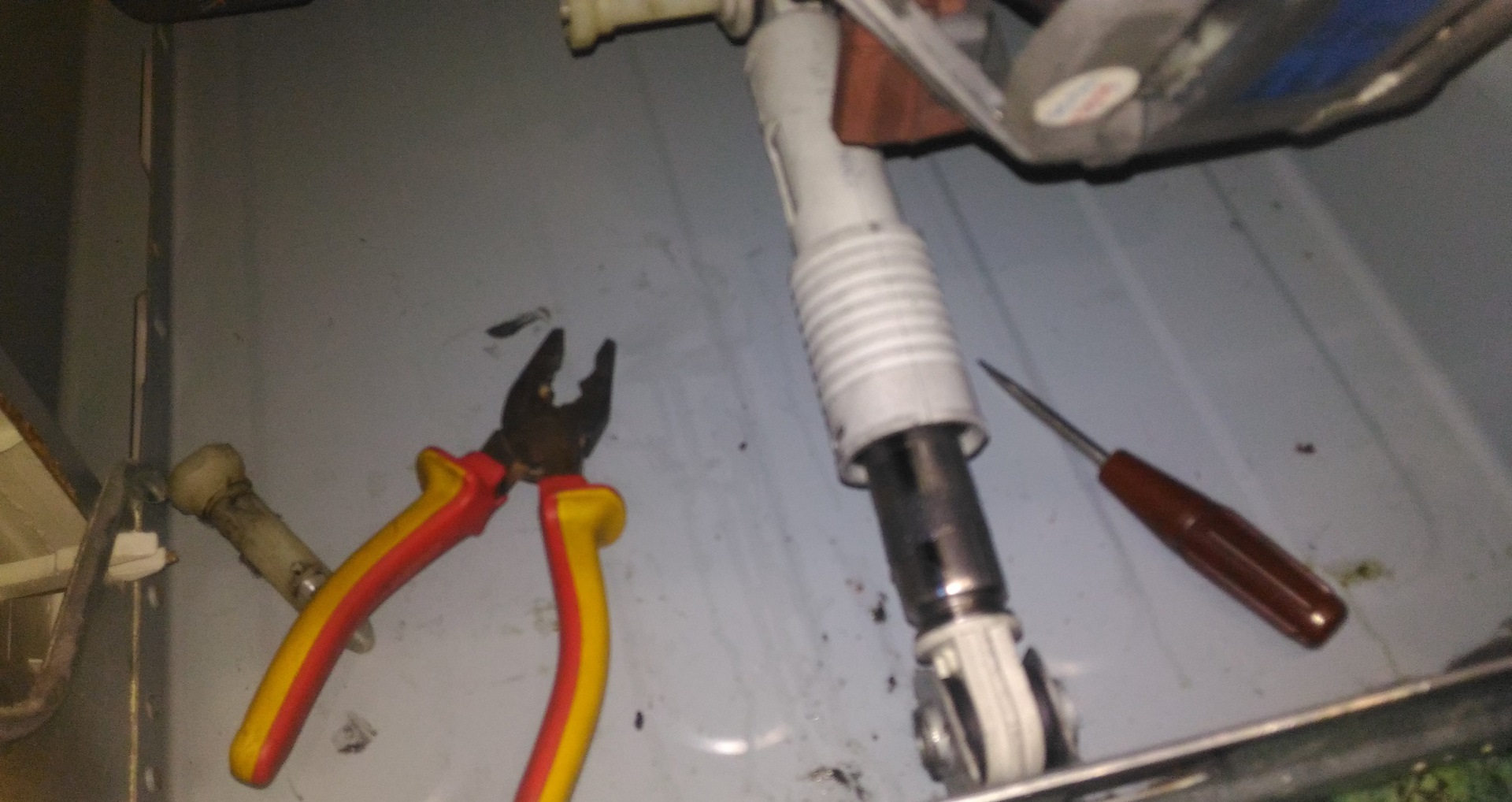
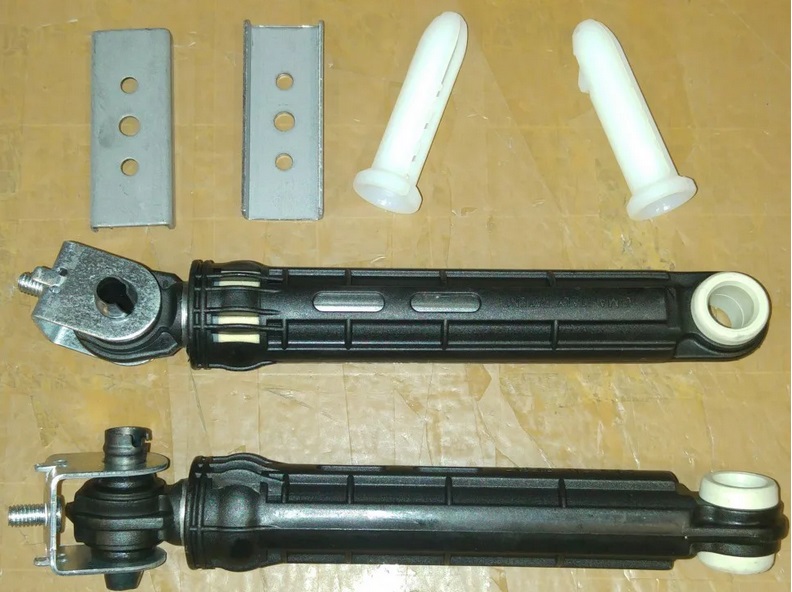
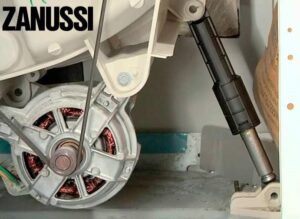
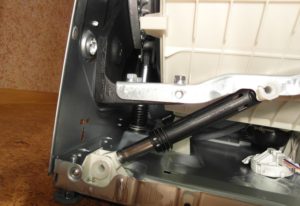
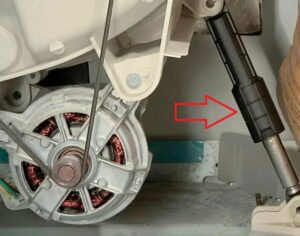
The washing machine shock absorber has a basic design – it consists of a plastic cylinder, a metal rod, a pair of bushings attached to the cylinder and rod, plus a special gasket that acts as a piston. It is the gasket that deteriorates over time, which cannot be prevented by the large amount of lubricant added inside the cylinder to create additional friction.
Once the gasket fails, it will no longer function as a piston, so the piston rod will move freely within the cylinder and, in some cases, will even begin to fall out. Let's further imagine that the gasket hasn't completely failed, so it partially functions as a piston, but the piston rod has already begun to move freely within the cylinder.
In this situation, the user must carefully disassemble the shock absorber and remove the piston rod from the cylinder, being careful not to break the plastic cylinder. You can try to remove the piston rod manually by gently grasping the part with your fingers. This will usually work, as the piston in this position offers very little resistance.
If you can't remove the part with your bare hands, wrap the piston rod in a rag, carefully clamp it in a vice, and then remove it by pulling on the cylinder. Avoid using force or rushing the removal process. Over time, the part will come loose, and the shock absorber will be disassembled.
Additionally, it's important to consider situations where the washing machine's shock absorbers are equipped with an additional plastic cover with a screw thread. This additional cover is installed to prevent the piston rod from falling out of the cylinder, but even with this device, it can fall out during heavy use. If your model has shock absorbers with such a cover, you must first remove it from the piston rod.
We extract and “reanimate” the part
Finally, we move on to dismantling and restoring the unit. The most important thing is not to delay repairs if you have already discovered a problem, otherwise, due to imbalance, the machine may fail due to mechanical damage. For example, the bearings and the washing machine's tub may be damaged, and repairing them will be costly. That's why it's important to begin repairs immediately after identifying the problem.
Shock absorbers are usually easy to repair, as it only requires replacing the rubber gasket. You need to partially disassemble the unit, remove the dampers, remove the damaged seal, and install a new part in its place. What's the proper way to do this?
For your safety, unplug your home assistant.
Remove the top cover.
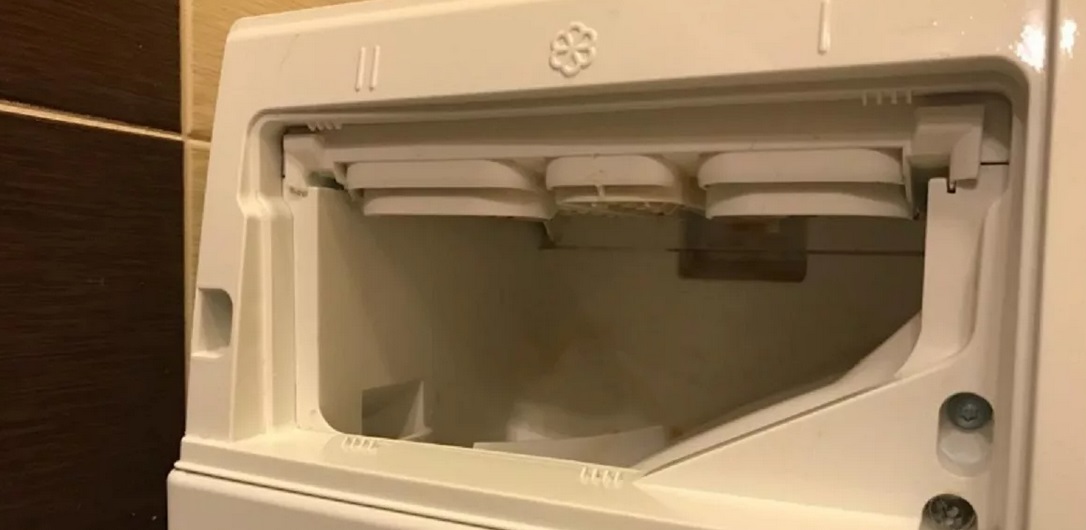
Remove the household chemicals drawer.
Remove the CM control panel.
Disable the hatch locking device.
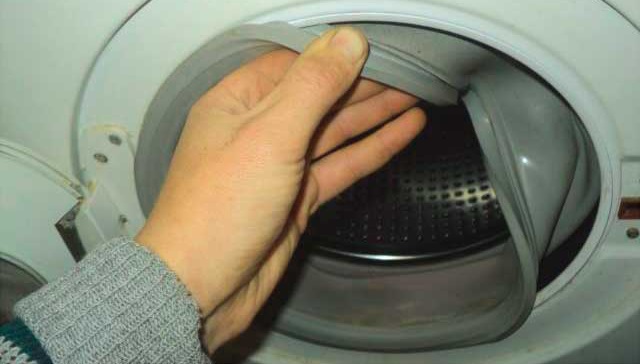
Insert the cuff into the drum, remembering to first loosen the outer clamp that holds it in place.
Detach the front panel of the case.
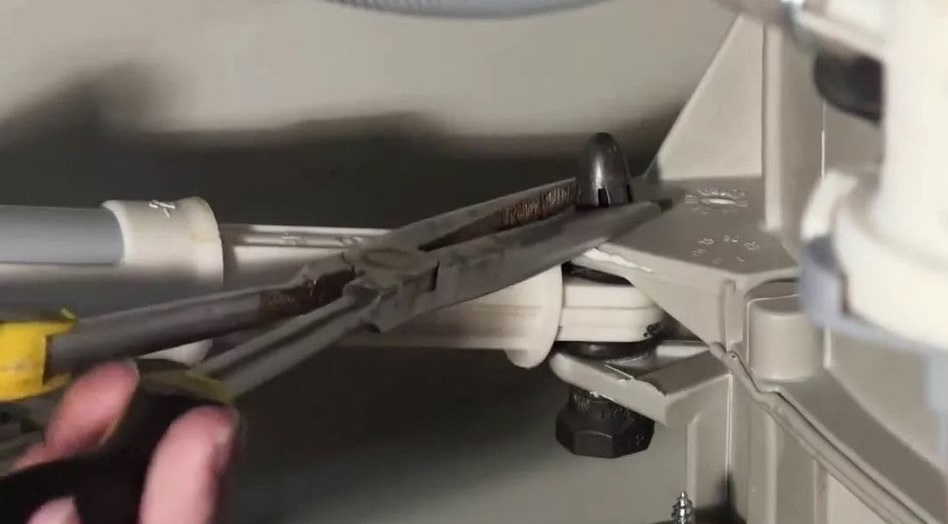
Loosen the fasteners that hold the dampers in place.
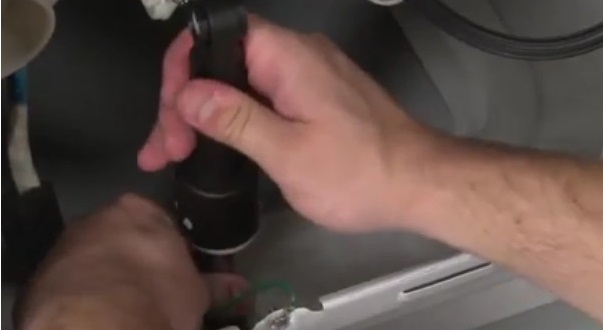
Remove the shock absorbers.
Disassemble the components to check the integrity of the gaskets.
If they need to be replaced, prepare spare parts by cutting them out yourself from textolite or a piece of rubber.
Install the gaskets.
Just in case, take photos of the machine during disassembly, especially when working with wiring, so that you have an example to hand for reassembly later.
If repair is not possible, new parts will have to be purchased to replace the damaged ones. Unfortunately, in this case, the entire assembly will have to be replaced, even if only one damper has failed, due to the need to ensure uniform vibration damping. Otherwise, one damper will be more susceptible to wear than the other, causing the entire system to quickly fail.
As for replacement, it should begin with removing the faulty shock absorbers. In some washing machines, they can quickly detach from the drum, in which case the only solution is to remove the front panel, remove the old shock absorbers, and install new ones. However, there are models where it's impossible to remove the shock absorbers without the drum. In this case, the following will be required:
Unplug the machine.
Remove the top panel, powder receptacle, control panel, upper springs, and front panel.
Disconnect each pipe, sensor and device from the tank.
Remove the tank together with the shock absorbers.
Carefully replace the faulty parts.
When disassembling household appliances, it's a good idea to carefully inspect other key components, such as bearings, spiders, and drains. This will help prevent clogs and other common, annoying problems. During maintenance, use WD-40 to remove scale, rust, and other buildup.
Once the diagnostics are complete, reassemble your "home assistant" according to our instructions in reverse order. After assembly, be sure to test its functionality using a quick cycle.

 Manufacturers rarely use standard spring shock absorbers in washing machines, preferring to install shock absorbers with a simple design. Despite being much cheaper, these parts can often last for decades without deforming. However, this doesn't mean they're indestructible. That's why today we'll take a detailed look at the main signs of faulty washing machine shock absorbers, as well as ways to repair this important component, which will help you prevent serious damage to your "home helper" in the future.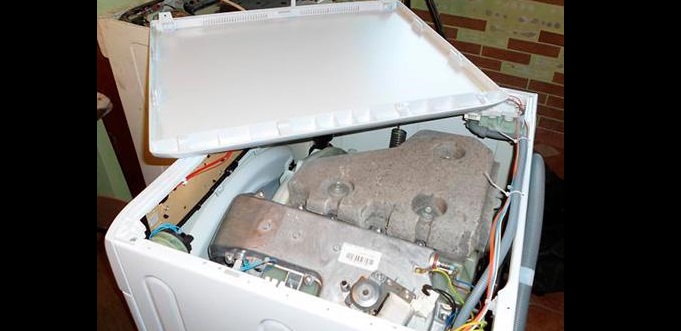














Add a comment