
How to clean the drain hose in an LG washing machine?
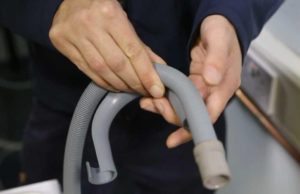 Sooner or later, every LG washing machine owner faces the need to clean the drain hose themselves. It's no secret that wastewater, as it travels from the drum to the drain, leaves behind debris and soap scum on the machine's parts. The rubber walls of the hoses are no exception, and over time, a thick, sticky layer accumulates, threatening serious clogging. The only solution is to regularly remove the accumulated dirt. Learn how in this article.
Removing the hose
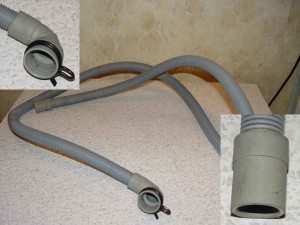
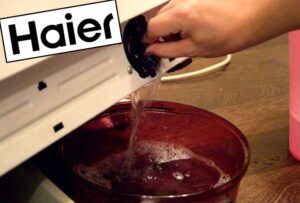
To clean the drain hose of an LG washing machine, it must be disconnected from the machine body and the sewer line. This is easy: simply turn off the power, tilt the washing machine back against the wall, and pay attention to the bottom. Cover the area around it with rags, open the service hatch, carefully unscrew the leak sensor, and locate the rubber tube. Loosen the retaining clamp and pull the hose toward you.
At the same time as cleaning the hose, it is recommended to clean the drain filter and the pump impeller.
The other end is even easier to disconnect. Find where the rubber band meets the trap or drain pipe, loosen the clamp, and release the tube. That's it, the removal is complete, and you can begin cleaning the hose.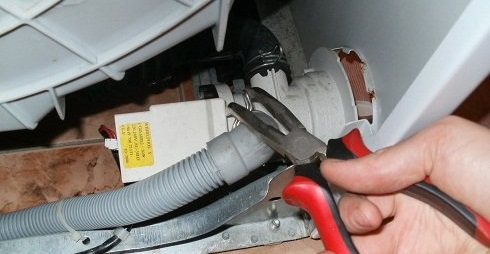
Description of the cleaning process
Don't rush to grab water and soap: it's better to first carefully inspect the removed hose. Before you start cleaning, you should make sure that the rubber is intact, and if there is damage to the casing, it will need to be replaced. Otherwise, you will be faced with unpleasant surprises with leaks later.
You can remove the bulk of the stains by running an hour-long wash with baking soda and vinegar.
The cleaning itself is carried out using a special non-metallic Kevlar cable. Its tip has a small brush that removes accumulated soap scum. This only requires a few simple steps.
- Insert the device into the hose and, moving back and forth, scrape off the layer of dirt from the walls of the tube.
- Repeat the procedure several times until optimal cleanliness is achieved.
- Rinse the hose under strong pressure of hot water.
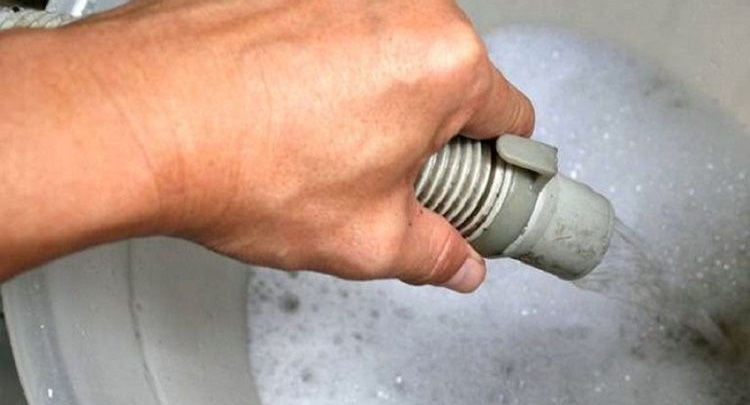
A homemade alternative to a Kevlar cable will work: bend one end of a long steel wire into a loop and tightly wrap a piece of fabric around it. The key is to use a brush that matches the diameter of the tube. The cleaning process is the same: insert, scrape, and rinse.
What causes the hose to become clogged?
Clogged hoses are almost inevitable: washing powder and lint from clothes will still begin to settle on the walls of the tube. This type of blockage is considered natural for all washing machines, regardless of manufacturer and model. However, you can slow down the process of plaque formation if you put the following recommendations into practice:
- wash clothes in special protective bags;
- do not neglect water softeners;
- After finishing washing, run an “empty” cycle to rinse the machine;
- clean the washing machine regularly;
It is recommended to carry out a comprehensive cleaning of the washing machine at least once every three months.
- use high-quality detergents developed specifically for automatic machines;
- Before loading into the drum, check the pockets of items and shake off hair and dust from the fabric.
Removing the drain hose and cleaning it of accumulated dirt takes just 5 minutes. The key is to proceed carefully, confidently, and according to the instructions.
Interesting:
Readers' comments
Headings
Washing machine repair




For buyers




For users


Dishwasher




Add a comment