
Disinfecting a washing machine at home
 A washing machine requires constant maintenance, as it's essential for its smooth operation. Unpleasant odors, mold, and microorganisms are all harmful to hygiene, so regular cleaning is essential. Various cleaning products are available; this article will explain which ones are best and how to properly disinfect your machine.
Cleaning the machine from germs and bacteria
Disinfection is a series of measures that help to disinfect objects from parasites and microbes. A washing machine is a favorable environment for the growth of such microbes, especially where water collects: in the drum, in the filter, in the tray, and under the seal. This is why it's essential to disinfect and clean the machine regularly.
Disinfection of an automatic washing machine should include the following measures:
- washing and removing dirt from the outer parts of the machine;
- washing filters;
- descaling;
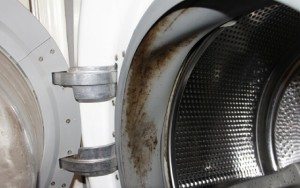
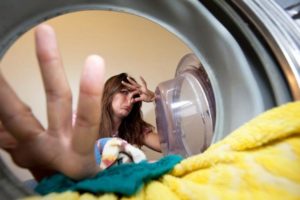
- cleaning from mold and odor;
- disinfection from microbes.
Cleaning products: use them correctly
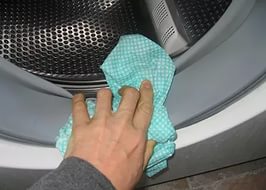
The easiest way to clean and wash the outside of the machine is by dampening a soft cloth with a mild solution of water and dishwashing detergent. Then wipe the front panel and the door. Wipe the machine a second time with a dry cloth. The glass door can be cleaned with your usual glass cleaner.
Dry powders and abrasive substances should not be used to clean the body of the automatic machine, and chlorine-containing agents should not be used.
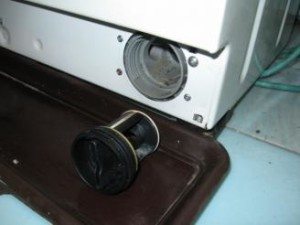 To prevent unpleasant odors and ensure proper drainage, clean the drain filter regularly. This should be done at least once a month. It's located under the bottom panel of the machine and unscrews counterclockwise. Residual water may leak out of the hole, so be sure to place a cloth under the machine. Rinse the filter with detergent under running water. To disinfect, you can rinse it in water with Domestos.
It's essential to clean the detergent drawer regularly, as it can harbor bacteria and mold. Remove the drawer from the machine by pressing the latch and pulling it toward you. If the drawer is particularly dirty, soak it in water with detergent for 1-2 hours, then scrub with an old toothbrush. If there's yellow limescale, baking soda or washing soda works well. You can also disinfect the tray in water with Domestos.
Please note: After each wash, the detergent drawer should be rinsed and wiped dry with a cloth.
Don't forget to clean the opening under the litter tray, too. Powder can settle there, and mold can develop. Use a sponge and detergent to remove any dirt, then wipe it dry with a cloth.
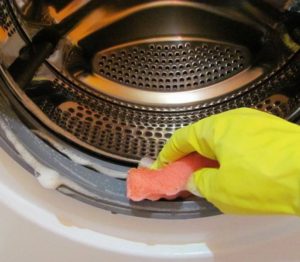
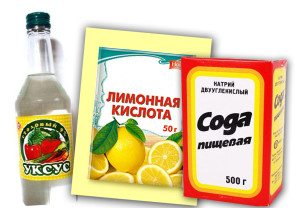 To clean your washing machine from unpleasant odors and mold, you can use citric acid and baking soda. Clean the drum and seal with baking soda. Using a soft sponge, apply slightly damp baking soda to the inside of the drum and seal. Be sure to spread the seal apart. After half an hour to an hour, clean the drum and seal with a sponge, rinse thoroughly, and wipe dry. Vinegar acid will help combat unpleasant odors and most germs; its use is discussed in the article. How to clean a washing machine with vinegar.
However, after using vinegar, a specific smell may remain in the washing machine, which can be eliminated by a long rinse with conditioner.
Another important procedure is disinfecting the inside of the washing machine. This procedure not only eliminates mold but also infectious bacteria and viruses (influenza, hepatitis, tuberculosis, and others). You can disinfect the machine from bacteria only with special products. Chlorine and chlorine-based products are good at dealing with infections.
Many housewives have tried disinfecting their washing machines at home using Domestos, ACE, Bleach, and similar products, reporting no problems. However, we would not recommend adding such harsh chemicals to your machine. Chlorine should only be used in extreme cases, when there is a real risk of infection or a virus. In other cases, there are gentler and more effective ways to eliminate bacteria.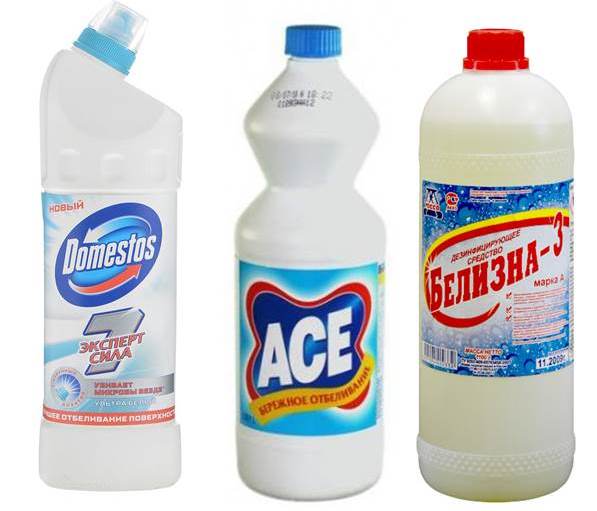
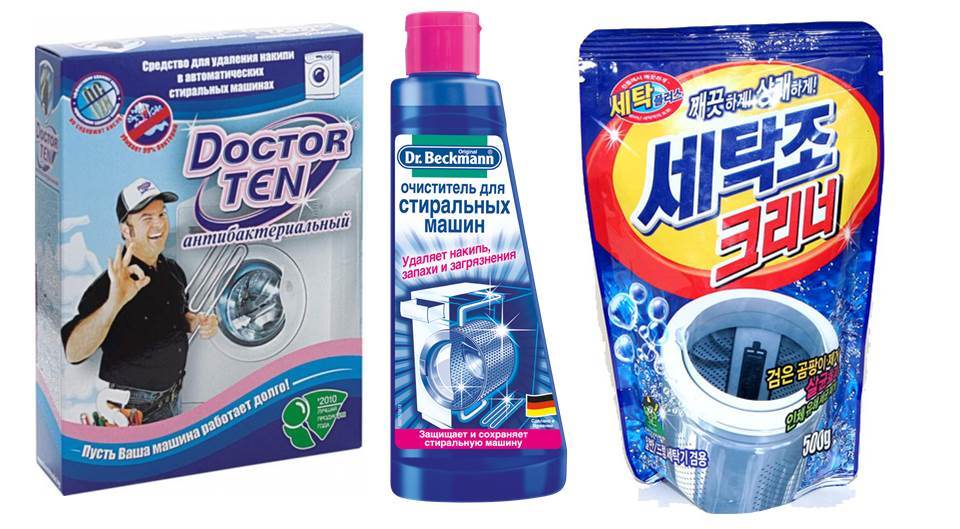
For example, any oxygen-containing bleach (Vanish, Velvet, Synergetic, Belle) also has disinfecting properties. This means that a regular wash cycle with this bleach will disinfect the inside of the machine. Specialized detergents for removing limescale, bacteria, and mold from your washing machine include:
- Dr. Ten Antibacterial;
- Dr. Beckman;
- Disinfectant from the Korean company SANDOKKAEBI.
To disinfect the machine, you can run a wash cycle of cotton kitchen towels, pouring 100 ml of Multidez-Teflex disinfectant into the powder compartment. This remedy kills bacteria causing tuberculosis, hepatitis B, adenovirus, HIV, and polio. It does not cause allergies and is safe for humans.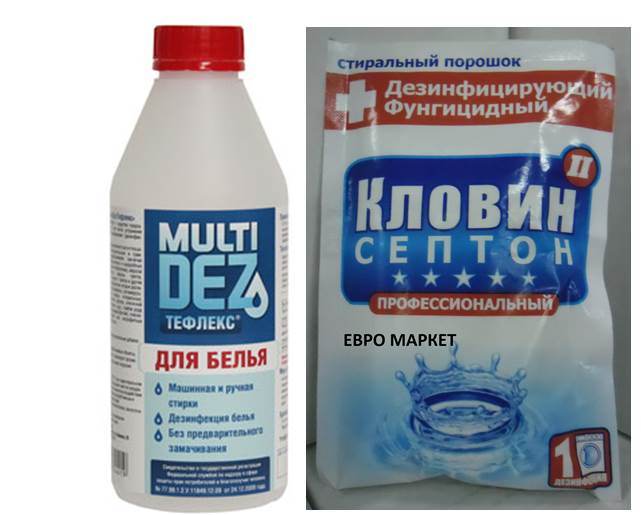
Disinfection during the washing process
In fact, disinfecting a washing machine at home is done not only with chemicals, but also during the wash cycle itself. Some microorganisms and bacteria are killed at water temperatures starting at 60°C.0C. For example, to get rid of dust mites or active forms of microbes, it is enough to run any of the modes: “Cotton 60” or “Synthetics 60”.
 Whirlpool washing machines have a special “Antibacterial” mode, in which the water is heated to 800C and maintains this temperature for 15 minutes. Miele models have a "Hygiene Cotton" mode, which sets the water temperature to 600It lasts for about 60 minutes. Additionally, for disinfection, you can run the "Boiling" mode, which will help kill the dysentery bacillus.
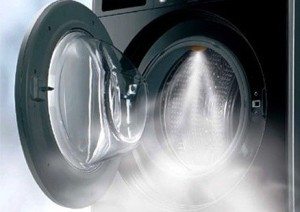
You can get rid of bacteria by turning on the steam function, which is available in LG, Daewoo, and Whirlpool washing machines. Silver ions kill germs; a similar disinfection technology is used in Samsung and Daewoo washing machines.
A new addition to the home appliance market is the Haier WasH20 B automatic washing machine. During washing, this machine uses electrolysis, which breaks down water into ions and cations. Cations kill germs at normal temperatures and without chemicals.
Thus, partial disinfection of an automatic washing machine can be performed even during the wash cycle. For complete disinfection, thoroughly rinse all removable parts (filters, detergent drawer, drain hose) and run a wash cycle with one of the special disinfectants. Regular maintenance and timely cleaning will protect the machine from mold, unpleasant odors, and limescale deposits.
Interesting:

5 reader comments
Add a comment
Headings
Washing machine repair




For buyers




For users


Dishwasher




Useful information, thank you.
Thanks a lot!
You cannot use citric acid, it destroys the crosspiece.
Exactly! And all washing machine cleaning products contain it. Plus, acetic acid is also an acid! Besides, acids damage rubber and silicone seals, making them hard where they shouldn't be. So, it's worth remembering that replacing the heating element, which is usually the reason for cleaning the machine, isn't as expensive as replacing the washing machine's spider, or even the entire unit.
I second the point about the acids! Since few manufacturers even make aluminum parts, and most use silumin, it dissolves even with vinegar!