
Weissgauff washing machine modes
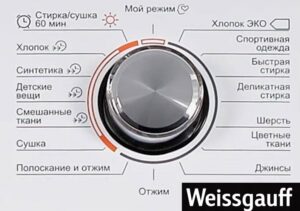 If you've used an automatic washing machine before, you'll be able to navigate the Weissgauff washing machine without any trouble. All modern washing machines operate in the same way: load the laundry into the drum, add detergent, adjust the cycle, and start the cycle.
The Weissgauff washing machine's modes may differ slightly from those of your previous "home helper." Therefore, it's best to familiarize yourself with each algorithm before starting your first wash. Let's explore the software "inside" of the German brand's modern washing machines.
Description of washing algorithms
Generally, the same modes on washing machines from different brands are similar. There won't be any significant differences. However, each manufacturer has its own unique features. Therefore, it's important to study the instruction manual that comes with your washing machine.
The user manual describes all the washing programs and additions available in the Weissgauff washing machine's memory.
The functionality of different Weissgauff models varies. Therefore, it's important to consult the instructions. The default settings are the same for all Weissgauff machines. Let's explore the settings for each algorithm.
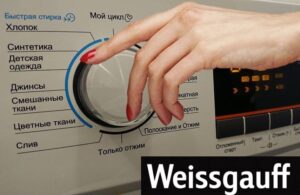
- The "Cotton" cycle is designed for durable textiles that can withstand high temperatures. This cycle is suitable for washing items with stubborn stains. The cycle lasts approximately two and a half hours. The laundry is spun at maximum speed (the spin speed can be reduced).
- "ECO Cotton" – This program features optimal energy consumption. It's suitable for cotton or linen items with moderate to heavy soiling. This program only offers a delayed start option.
- "Synthetics" is a wash cycle for easy-care synthetic and semi-synthetic fabrics. The cycle lasts 2 hours and 20 minutes. Light to moderate soiling is acceptable. By default, the water temperature is set to 40°C.
- "Children's Clothing" is a special cycle that uses high-temperature treatment. It's suitable for removing stubborn stains and combating harmful microorganisms. A double rinse is included by default and lasts 80 minutes.
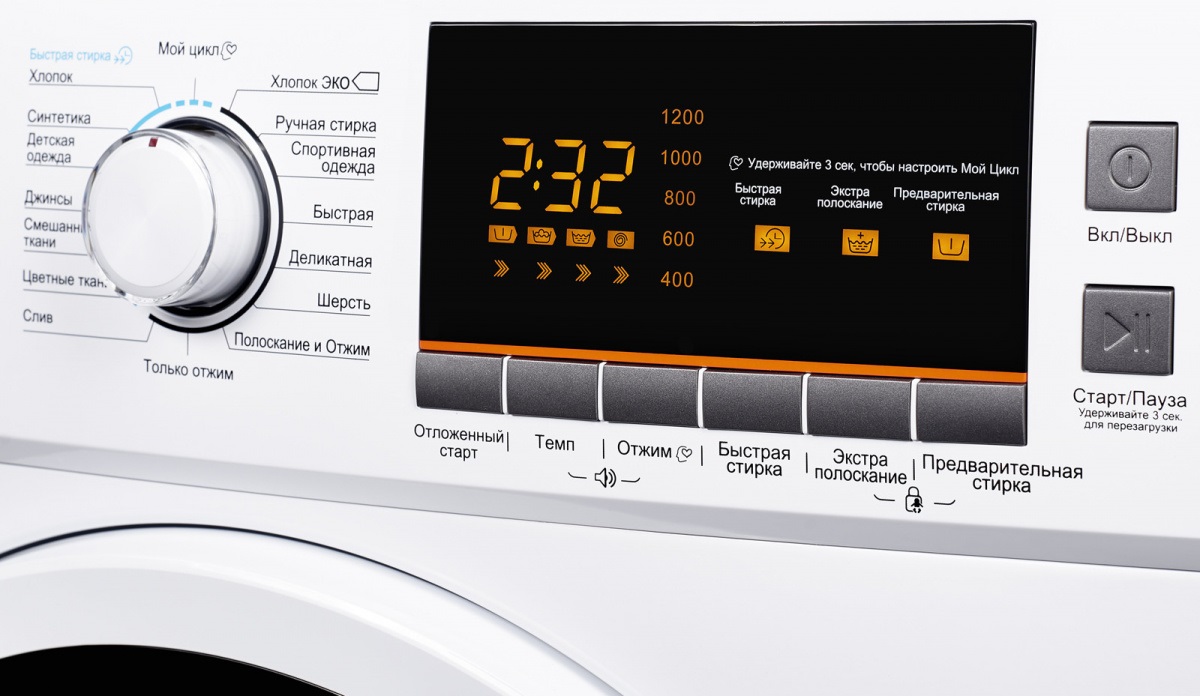
- "Blended Fabrics" is a cycle for everyday use. It can be used for a mixture of knits and synthetics. These items should be lightly soiled and free of old stains. The cycle lasts two hours.
- "Drum Self-Cleaning" is a preventative measure. It's used not to wash laundry, but to clean the inside of the appliance (the drain and fill systems, the detergent drawer, and the drum). Water is heated to 90°C, which kills most bacteria. For best results, it's recommended to add a special detergent drawer cleaner. The cycle lasts 78 minutes.
- "Quick 15" is a short program for almost clean items and small loads. Clothes are washed in cool water, with a cycle time starting at 15 minutes. Setting the temperature to 40°C extends the cycle time.
- "Delicate" – This algorithm ensures gentle washing of even the most delicate fabrics, such as silk, lace, and satin. The drum rotates smoothly, and the spin cycle is performed at a minimum speed. This prevents damage to items and deformation of the material. The cycle lasts 50 minutes.
- "Wool" is an additional gentle cycle for cashmere, wool, and acrylic items. The cycle includes long pauses, with most items simply soaking in warm water. The cycle lasts about an hour.
- "Colored Fabrics" – a cycle for brightly colored items. Cold treatment ensures color preservation. The cycle lasts one hour. Water temperature is 20 or 30 degrees;
- "Bed Linen." Weissgauff machines have a separate program for caring for bedding, including sheets, blankets, pillowcases, and throws. This program lasts for almost two hours.
The water heating temperature and spin speed can be adjusted for most algorithms.
The user must understand the settings of each program. The quality and result of washing, as well as the safety of items, will depend on the correct choice of mode. Don't wash silk on the "Cotton" cycle—it will ruin the fabric. Also, there's no point in rinsing heavily soiled linen pants on the "Fast 15" cycle—it won't do any good.
What functions does the machine have?
Each Weissgauff automatic sewing machine has its own set of additional options. These are activated as needed. A description of each function can be found in the user manual.
The first option available on all modern Weissgauff machines is "Delayed Start." It allows you to set a convenient start time. Depending on the washing machine model, you can delay the start by 3, 6, 9, 12, or 24 hours. How to activate the feature:
- select the washing mode;
- press the "Delay start" button (each press will increase the number of hours);
- Press the Start/Pause button.
To cancel the delay start, hold the "Delay Start" button until "0H" appears on the display. You can then resume a standard wash cycle.
What other additional features are available on Weissgauff machines?
- "Prewash." Items will be soaked in soapy water—this option is suitable for heavily soiled items with stubborn stains;
- "Extra Rinse." This option helps remove detergent residue from fabric fibers. It's typically used when washing items for allergy sufferers, children, and people with sensitive skin.
- "Quick Wash." Allows you to reduce the cycle time; the exact amount depends on the mode you're running;
- "My Program" mode is used to remember frequently used cycle settings;
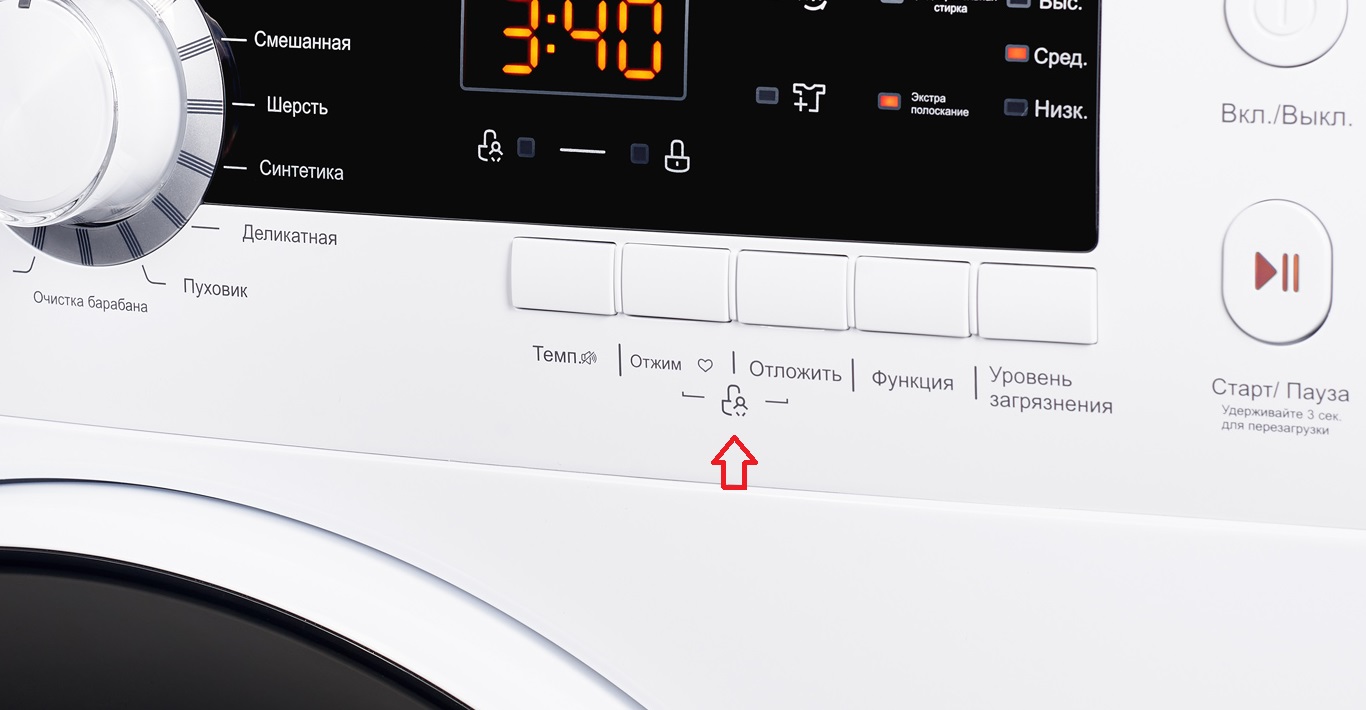
- Child Lock. This feature prevents accidental button presses. The instrument panel is locked. To activate, press and hold the Delay Start and Steam buttons. The button combination may vary depending on the model.
All Weissgauff washing machines have a reloading option. You can add laundry even mid-cycle. Here's how:
- pause the cycle by pressing the Start/Pause button;
- wait until the washing machine drum stops rotating;
- wait until the hatch door is unlocked;
- add items to the drum;
- Close the hatch and press the Start/Pause button.
Do not use the Extra Load function if the water level is above the edge of the drum or when the washing temperature exceeds 60°C.
The Weissgauff washing machine's control panel features "Temperature" and "Spin" buttons. These allow you to adjust cycle settings. The spin speed can be set to 0, 400, 600, 800, 1000, 1200, or 1400 RPM (depending on the washing machine model).
Some models feature a "Steam Treatment" option. This can be added to the "Cotton" or "Baby Clothes" cycles. When activated, this feature will inject hot air into the washing machine's drum for additional antibacterial treatment.
Preparing and starting the wash
Every user wants to test out a new washing machine as soon as possible. There's no need to rush. It's important to follow certain rules when commissioning the washing machine.
Before connecting the washing machine to the power supply, remove the shipping bolts. Do not operate the machine with the shipping bolts in place. Doing so may result in permanent damage to the machine.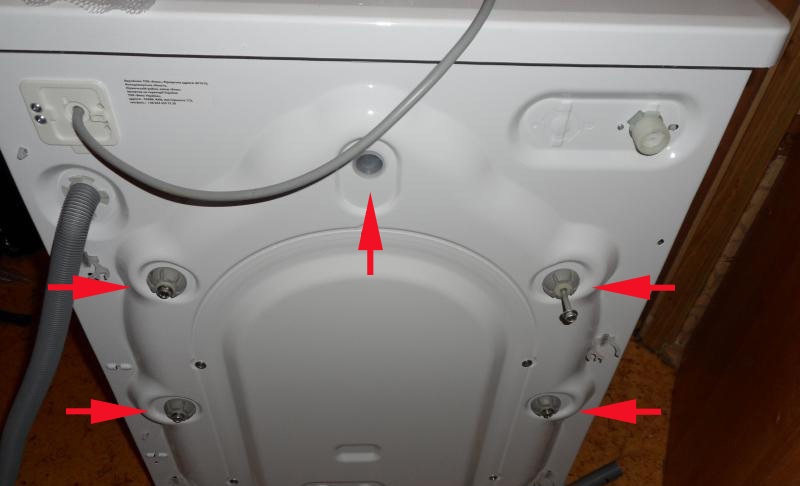
The instructions describe the specifics of connecting the machine to the water supply and sewerage system. It's important to position the drain hose at the correct height and under a bend. It's also important to level the washing machine body by adjusting the feet.
A washing machine requires a dedicated power outlet. Connecting a powerful appliance through an extension cord is not recommended—it's unsafe. It's recommended to install a voltage stabilizer upstream of the washing machine for additional protection.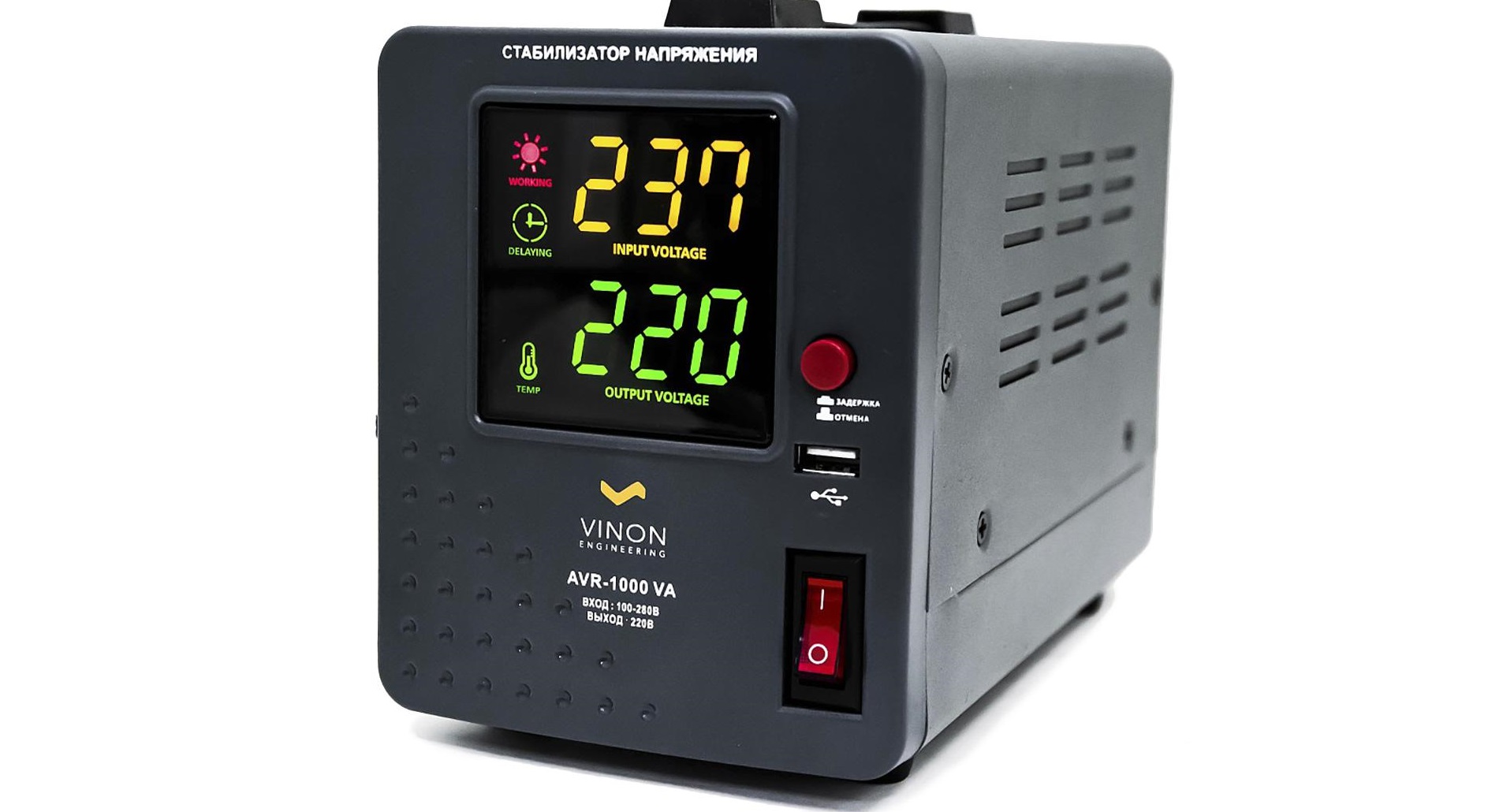
Once you have completed the installation, you can turn on the machine.The first wash cycle should be a test, without items in the drum, but with detergent. This will allow you to check the washing machine for functionality and clean its interior from factory dust and dirt.
If the test cycle goes smoothly, you can proceed with a regular wash cycle. It's important to use high-quality detergents designed specifically for automatic machines. The Weissgauff dispenser has three compartments: for the main wash, pre-wash, and rinse.
Before placing items in the drum, sort them by color, fabric type, and soil level. It's important to adhere to the washing machine's maximum load capacity, as stated by the manufacturer.
Next, add the detergents, each one into the appropriate compartment of the detergent drawer. Select a mode and enable the desired options. Activate the cycle by pressing the "Start/Pause" button. The machine will beep when the cycle is complete.
Interesting:

Readers' comments
Headings
Washing machine repair




For buyers




For users


Dishwasher




Add a comment