
Washing fitted sheets in a washing machine
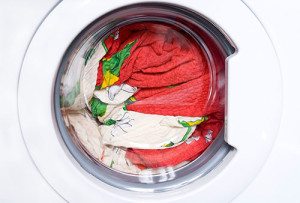
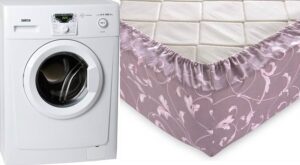 Modern automatic washing machines handle the labor-intensive task of washing bed linens brilliantly. They're a convenient, fast, and reliable way to keep your bedding fresh and clean. However, to properly wash fitted sheets in a washing machine, you need to understand the process, otherwise the results may be unsatisfactory. How should you wash fitted sheets to prevent them from bunching up and entangling other bedding?
Peculiarities of washing such a sheet
Fitted sheets are very popular these days because they're so convenient. They feature special elastic bands that secure the fit across the entire mattress. This creates a smooth, even surface that's especially pleasant to sleep on. The fitted sheet doesn't bunch up or slip during the night. Furthermore, fitted sheets are much less prone to wrinkling and require less frequent ironing.
Despite all its advantages, this type of bed linen has one significant drawback: it is difficult to wash.
Even if you set your washing machine to the delicate cycle, the sheets still end up clumped together. Washing them separately from the rest of your laundry isn't practical, and when washed together, they tend to get caught in the rest of your laundry. Even a modern automatic washing machine can't clean such a massive clumping mess effectively.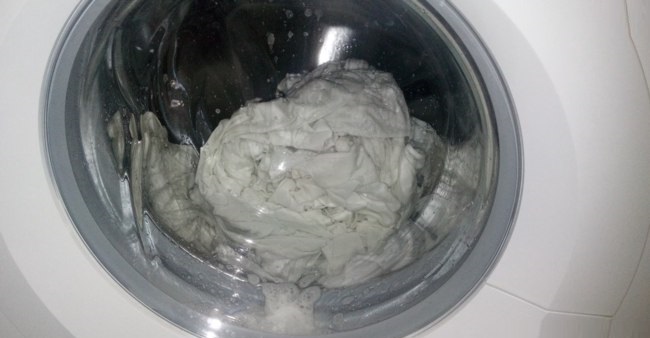
To properly wash a fitted sheet along with other linens, it must be placed in a special laundry bag. If you don't have such a bag, you can try the following: fold the sheet several times and secure it with a small, strong plastic clothespin. This method of washing will not reduce its quality, and the machine will be able to perfectly wash everything that was loaded into the drum.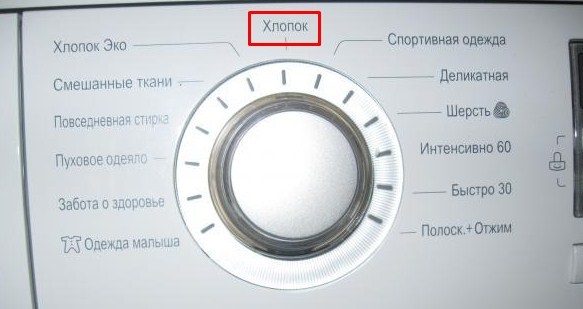
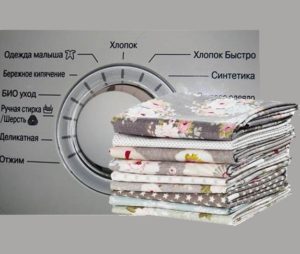
The rest of the washing process is the same as standard washing. Add detergent to the detergent compartment and fabric softener to the fabric softener compartment. Set the standard cycle you normally use for washing bedding ("Cotton," "Quick Wash"). Select the washing temperature based on the material of your fitted sheet and other bedding. Keep in mind that temperatures above 60°C (140°F) may adversely affect the fitted sheet's elastic. You can set the spin speed to any desired setting.
So what's the conclusion? Fitted sheets can be washed perfectly in the washing machine along with other bedding. You just need to do it right: place them in a separate laundry bag first, or fold them in several layers and secure them.
Basic rules for washing bed linen
In the fall, winter, and spring, it's recommended to wash your bed linen at least once a week. In the summer, it's recommended to wash it every five days, as open windows attract more dust, and the body may sweat more intensely if nighttime temperatures are very high. If you purchase a new set of bed linen, be sure to wash it before use. In this case, you can add a minimal amount of washing powder, the main thing you need to do is rinse the fabric thoroughly.
Be sure to sort your linens before washing. Wash whites separately from colored ones. Failure to do so can cause colored linens to bleed and ruin your other sheets, duvet covers, and pillowcases.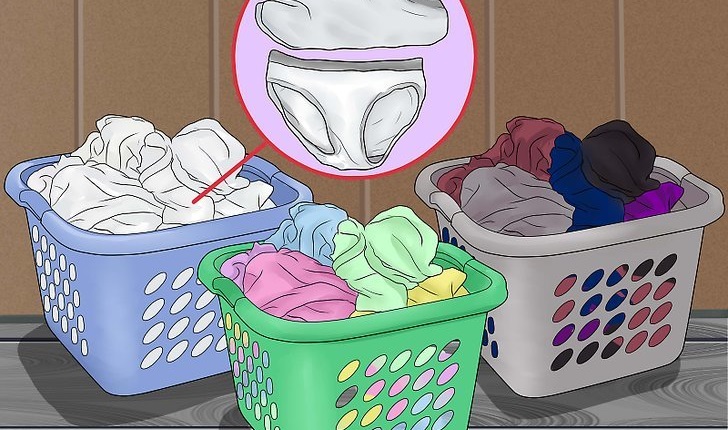
To preserve the original vibrant color of your linens for longer, turn duvet covers and pillowcases inside out before washing. If your bedding has buttons or zippers, close them. If your bedding is embellished with embroidery or rhinestones, use a special laundry bag.
To get rid of bed mites, wash your laundry at a temperature above 50°C (122°F). However, at this temperature, your laundry may not be washed thoroughly enough. Try this: add oxygen bleach to your regular laundry detergent. Oxygen bleach kills microorganisms in warm water and is effective at removing tough stains.
Use gel laundry detergents. They are excellent at removing a variety of stains and are easy to rinse out. Washing temperatures vary depending on the type of fabric.
- 90 °C — suitable for white cotton items — satin, jacquard, poplin, percale.
- 50°C is suitable for washing colored cotton items. Higher temperatures can cause items to quickly lose their vibrant colors.
- from 65 °C to 100 °C – suitable for washing linen items.
- 40 °C – for bamboo fabric and synthetic products.
- 30°C – for natural silk. Hand wash is recommended if possible. If machine washing, set the cycle to "no spin."
Wash your elasticated duvet covers following these simple rules, and the process will go smoothly, leaving you with clean bedding that won't bunch up into an unsightly lump.
Interesting:

Readers' comments
Headings
Washing machine repair




For buyers




For users


Dishwasher




Add a comment