
The rubber seal of the washing machine is leaking.
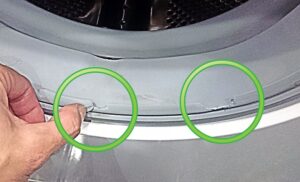 It's impossible to miss a leaking washing machine seal—water will accumulate underneath the machine. Trying to address the problem with rags or a basin isn't recommended: over time, the problem will worsen, the water pressure will increase, and a flood will occur. Ignoring the problem is also unacceptable—operating a washing machine with a leaky drum is dangerous. Once a leak is detected, it's essential to identify the cause and fix it. Let's take a closer look at how and what to do.
Problems with the hatch cuff
Most often, a puddle under a washing machine is caused by the rubber seal. Also called a cuff, it's located around the drum, ensuring a watertight seal. However, if the rubber becomes worn or damaged, cracks and holes form on its surface. As a result, water isn't retained within the machine, but instead leaks out in small amounts.
Another possible cause is a leaky detergent drawer. Sometimes the leak starts in the detergent dispenser, then curves around the dashboard and down to the drum door. Eventually, it appears as if the rubber seal is leaking. Sometimes, the leak is caused by a foreign object getting stuck between the door glass and the seal. The door doesn't close properly, the seal is broken, and some water leaks onto the floor during the wash cycle. Fixing the leak is simple: remove the item and close the drum.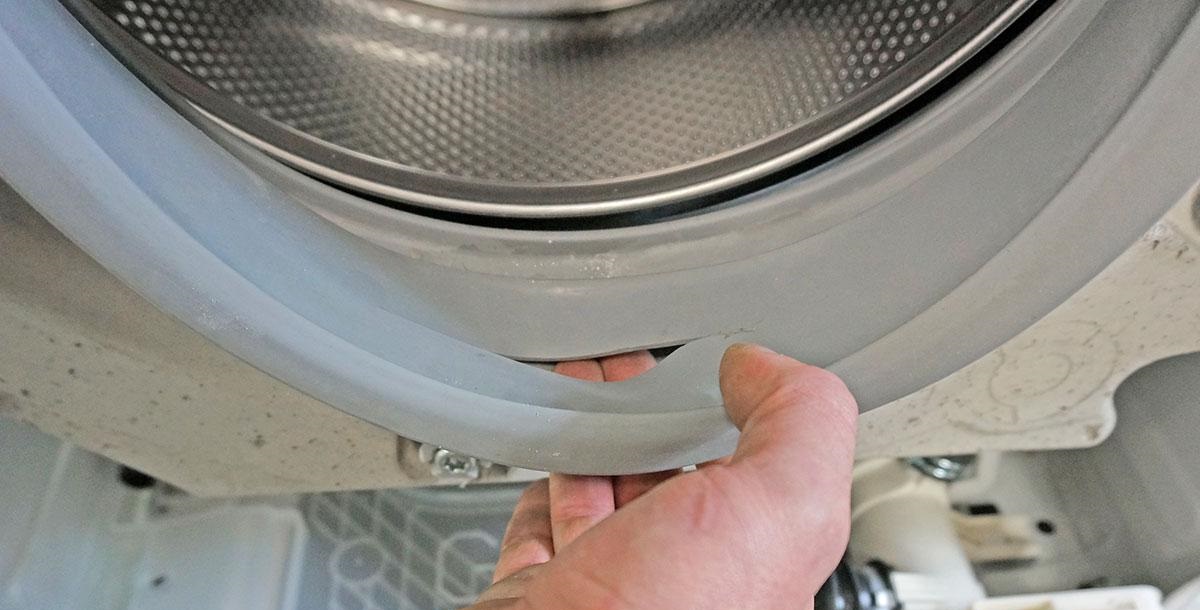
But more often than not, the problem lies with the seal, especially if the washing machine has been in use for a long time. In this case, it's best to verify your suspicions: inspect the seal for integrity and flexibility. If there are chips or cracks in the rubber, the system is not sealed and water is not retained in the drum. The gasket isn't always torn—sometimes it's due to severe wear. Old rubber loses its smoothness and elasticity, which inevitably leads to leaks.
It is dangerous to operate a washing machine with a leaking cuff!
To determine the cause of the leak and what to do to fix it, stop the cycle and inspect the door. If the seal appears intact and flexible, simply clean the rubber seal and the surfaces it touches to remove any accumulated debris, scale, and dirt. If the seal is damaged, cracked, has black mold stains, or chips, there's no alternative—replacement is the only option.
You can replace the rubber seal either at a service center or at home. The process of removing the old seal and installing a new one is complicated, but entirely doable. The key is to be prepared for the repair and follow the instructions.
Removing the damaged rubber band
If you notice cracks or other damage to the rubber seal, don't immediately call a service center—you can try to fix the problem yourself. Replacing the seal is within the capabilities of any washing machine user. Step-by-step instructions and recommendations are provided below.
The first step is to purchase a replacement seal. Use the serial number of your existing machine as a guide, as well as the markings on the rubber seal itself. If these markings are not available, first remove the old seal, then bring it to the store and ask them to select an alternative.
A new cuff is selected based on the serial number of the washing machine and the markings applied to the seal.
In any case, the leaking rubber seal will need to be removed. Follow these steps:
- disconnect the washing machine from the utilities (electricity and water supply);
- wipe the machine and the surrounding area dry;
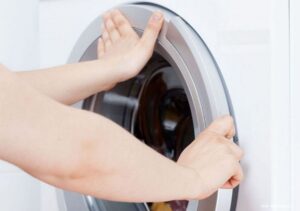
- open the hatch door;
- we find the outer and inner clamps;
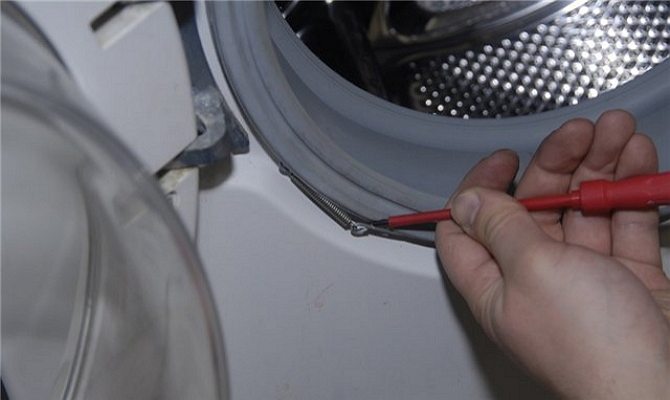
- remove the “rings” (if the plastic clamps are tightened, then the “tongues” are torn off with a flat screwdriver; if they are metal, then loosen the screw mechanism);
- we pull the front part of the cuff from the grooves on the body;
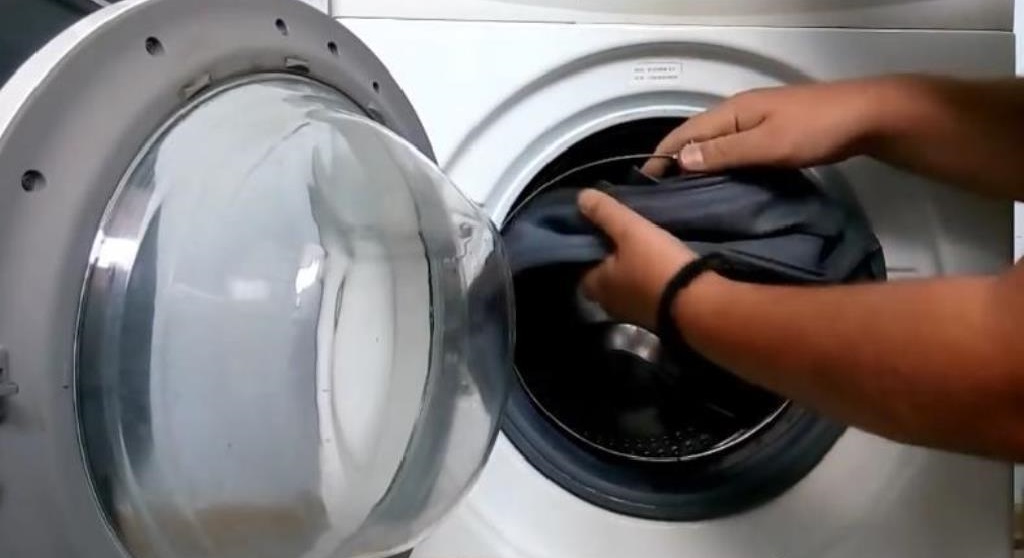
- We look for the mounting mark on the rubber band (this is a marking or a small protrusion indicating the location of the rubber band in relation to the drum);
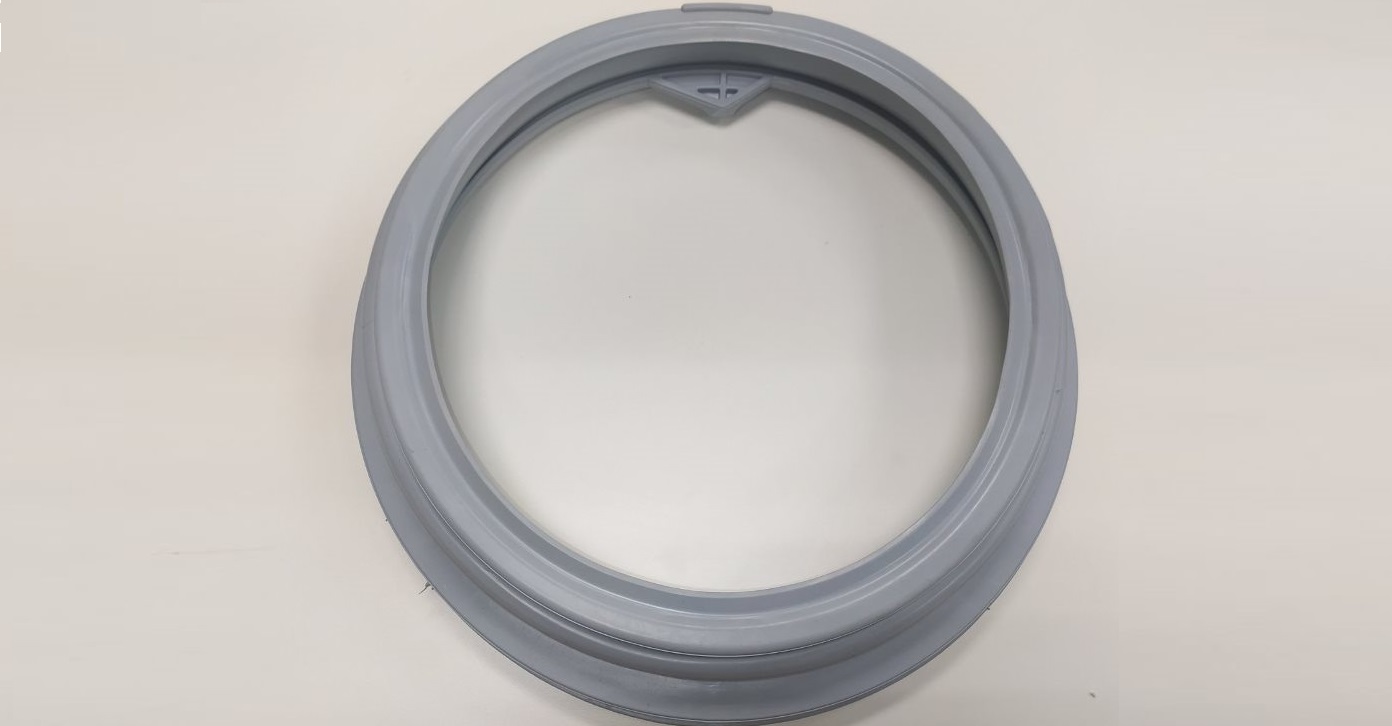
- we transfer the mounting mark to the body of the washing machine with a marker;
- We "unhook" the cuff completely.
That's it! Disassembly concludes with cleaning the seal seat. Thoroughly clean the grooves, removing all accumulated debris, scale, and grime. Simply generously lather a dish sponge with soap and scrub the grooves. It's best to leave the foam behind—it will make it easier to tighten the new seal.
We install a new cuff
While removing the old seal from the drum is easy, fitting the new one into the grooves is a challenge. The rubber seal, fresh from the factory, is very dense and elastic, so it resists installation. To secure the seal, you will have to call an assistant or use all your strength and dexterity. The new cuff is stretched as follows:
- we inspect the seal (a manufacturing defect cannot be ruled out);
- we find the mounting mark on the rubber band;
- we apply the seal so that the mounting mark coincides with the previously made mark on the machine body;
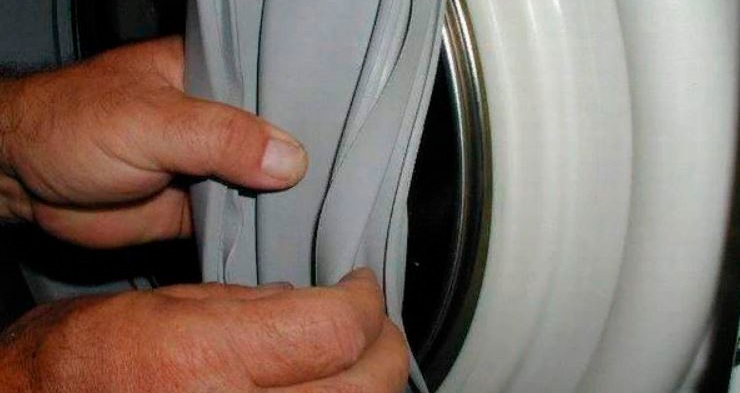
- we fix the elastic band on the outer edge and, holding it with our hand, pull it along the entire circumference;
- we fasten the cuff from the inside – to the edge of the tank;
- We feel the seal, checking whether the rubber fits tightly into the grooves, and whether there are any voids or holes;
- We check that the mounting mark has not moved (if the difference is noticeable, you will have to remove the cuff and tighten it again).
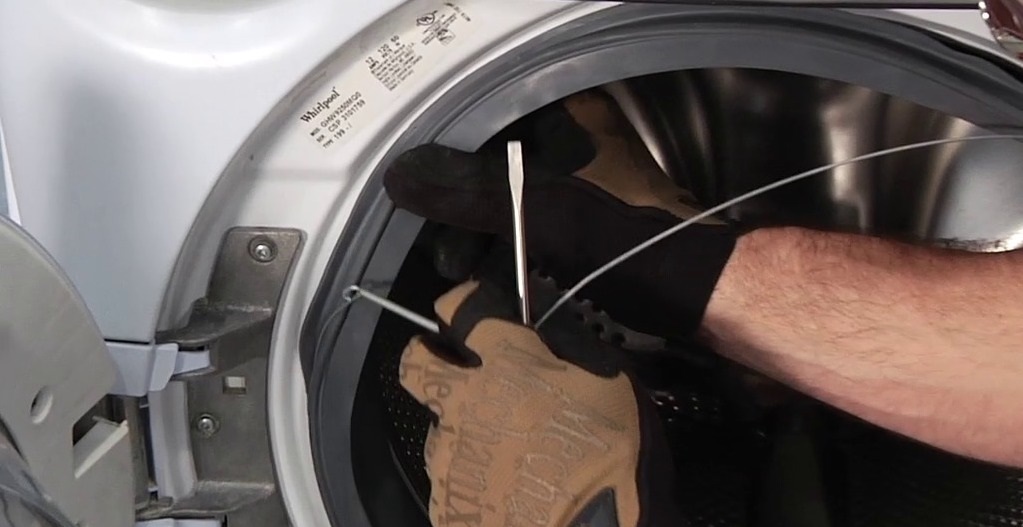
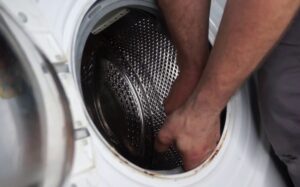
Replacing the seal on most washing machines doesn't require disassembling the front panel—just open the door to access the drum rim. However, without the end cap, tightening the rubber seal is easier, as the drum will be completely free for repair. However, removing the front panel will require some time and effort.
When pulling on a new cuff, you need to be guided by the mounting mark - it indicates the required position of the rubber band to the drum.
After tensioning, the cuff must be secured with clamps. The inner ring is secured first, followed by the outer ring. The procedure depends on the rim type:
- on a metal one, first the screw “latch” is unscrewed, after which the ring is inserted into the groove and tightened to the maximum;
- on the plastic one you need to press on the “tongue”, and then install and fix it;
- The wire clamp is placed along the edge and tightened with pliers, and the resulting "knot" is hidden in a special "pocket" on the elastic band.
After the inner clamp, the outer clamp is attached. Its fastening principle is similar to the first and depends on the rim type. It is permitted to use old rings, but only if they are completely intact. If the fasteners are damaged or stretched, be sure to replace them with new ones.
Knowing how to fix a leaking drum seal means you can be confident in the results—the rubber seal will tightly grip the drum and ensure the necessary seal. All that's left to do is check the quality of the work:
- connect the washing machine to the utilities;
- run a test empty cycle (“Rinse” or “Quick Wash”);
- watch the hatch door.
Has water stopped dripping from under the door? This means the cause of the leak has been correctly identified and completely eliminated. However, if drips are accumulating under the door or, worse, streams are forming, you'll need to stop the cycle, empty the drum, and continue troubleshooting. Sometimes the problem is that the cuff does not fit tightly enough to the body and the clamps are not tightened properly.If the leak occurs again, it is recommended to reinstall the seal.
After replacing the cuff, it is necessary to run a test wash and check the quality of the repair.
If replacing the seal doesn't stop the leak, the cause of the "flood" is elsewhere. You'll need to check the integrity of the detergent drawer, tank, and hatch door. Sometimes the only option is to contact a service center for professional diagnostics and repairs.
Interesting:

Readers' comments
Headings
Washing machine repair




For buyers




For users


Dishwasher




Add a comment