
How to check the pump on an LG washing machine?
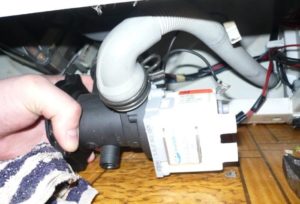 The drain filter of any washing machine needs to be cleaned periodically to remove accumulated debris. Unfortunately, this doesn't completely prevent problems with the washing machine's drainage system. The filter only catches large debris and foreign objects that end up in the drum along with laundry. Hair, lint, small pieces of paper, and scale particles bypass the filter element and end up in the pump, interfering with its proper functioning. Let's look at how to check the drain pump on an LG machine and where to start.
Pump diagnostics
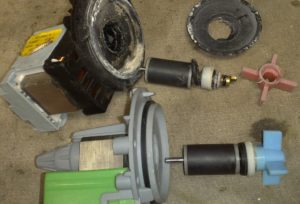
Once you've reached the drain pump, use a screwdriver to remove the bolts securing the volute to the electrical power supply unit. Then, disconnect the motor and impeller. Check the volute for blockages; if any debris is found, clean it.
Inspect the sealing gaskets; they should be in good shape and not worn out.
You can check the operation of your washing machine's pump without removing the part from the electric motor. A multimeter will come in handy in this case. The tester's probes are placed across the pump's contacts. If the device does not display any readings, the pump must be replaced.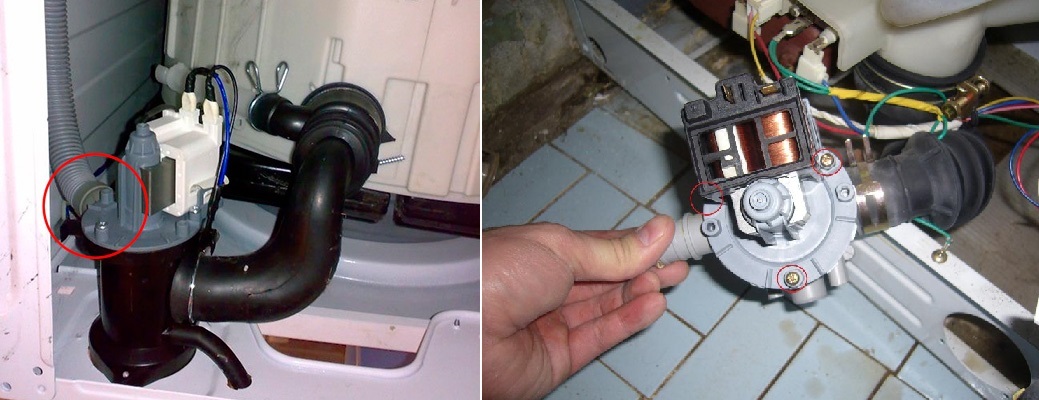
In some cases, when the rubber seals become deformed, liquid leaks into the pump. This water washes away the lubricant from the rotor, causing the part to wear out faster. In this situation, the pump should be treated with a lubricant. When choosing a lubricant, pay particular attention to its:
- moisture resistance;
- heat resistance;
- consistency (it should be thick).
Silicone grease meets all the requirements and is ideal for treating the drain pump. After this procedure, the pump should be reinstalled.
Mechanical diagnostics will involve checking the impeller's movement and bushing wear. To do this, the volute casing must be removed. The impeller should be spun manually. During normal operation, the part rotates intermittently. This jerky movement is caused by the magnetic rotor. Next, move the impeller left and right. If significant play is detected, the pump will need to be replaced.
If no malfunctions are detected during the above steps, proceed to the final diagnostics. This involves connecting the motor directly to the power supply. To do this, prepare a cable with a plug and two terminals. When plugged into the outlet, the pump should operate without making any unusual noise.
Exploring the snail
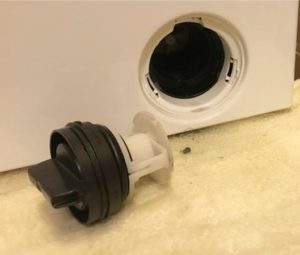
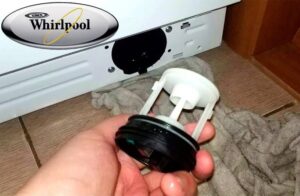
If you hear an unusual humming noise in the drain pump area (the lower right side of the housing), it's likely a small object has gotten caught in the pump housing or there's a significant blockage. Checking the pump in an LG automatic washing machine involves the following:
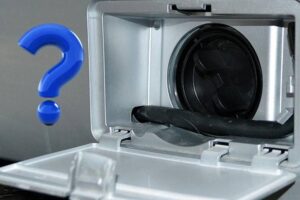
- gain access to the debris filter (it is located behind a small door located at the bottom of the front wall of the case);
- carefully unscrew the lid;
When working with the drain filter, water will start to leak from the system, so the floor under the machine should be covered with a rag beforehand.
- Shine a flashlight through the open spool cavity and inspect it for any foreign objects or blockages. Normally, only the pump impeller should be visible inside.
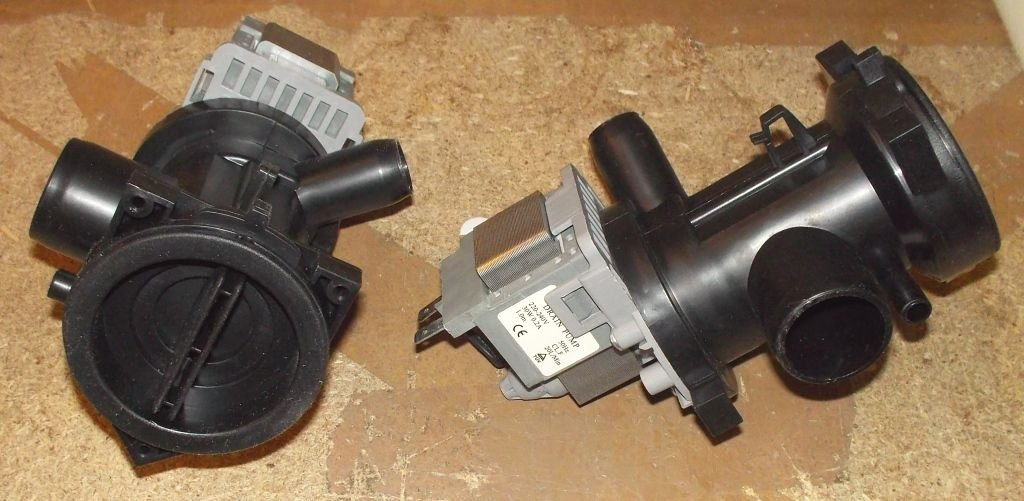
After removing the debris and cleaning the snail cavity, you can screw the cap back on and run the machine in test mode. Another common cause of loud noise coming from the pump area is a clogged inlet hose. The hose should be cleared with a special rod and rinsed under running water.
Signs that indicate a pump failure
Before attempting to diagnose the drain pump, you need to make sure it's truly the problem. Listen to your "home helper" and pay attention to any external signs of trouble. Signs of pump failure include:
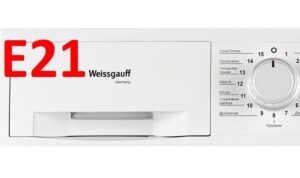
- the corresponding error code displayed on the display;
- problems with draining water from the tank during and after washing;
- failures in turning the pump on/off.
We have explained how to carry out diagnostics. Remember that water escaping from the tank irregularly is a sure sign of pump damage. By following the instructions, you can repair the machine yourself, without the help of a specialist.
Interesting:
1 reader comment
Add a comment
Headings
Washing machine repair




For buyers




For users


Dishwasher




I'd start from the end, meaning connect the pump to the power supply and see if it's spinning. If not, measure the resistance between the contacts with a multimeter. There are two possibilities: 1. There's a short circuit between the contacts, 2. There's no resistance, meaning there's an open circuit. In either case, replace it. In this case, using a multimeter is an additional check to ensure proper operation.