
Checking the washing machine drain pump with a multimeter
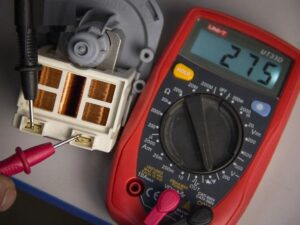 There are various reasons why a washing machine stops draining. The pump is usually the culprit. Let's look at how to test a washing machine's pump with a multimeter. You can perform the diagnostics yourself, at home, without calling a technician.
How to quickly get to the pump?
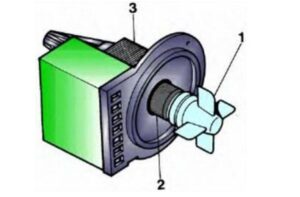
You can easily check your washing machine's drain pump yourself. First, make sure the pump impeller rotates freely. Sometimes it gets clogged with debris, threads, or hair tangled around the blades.
To check the drain pump impeller, you need to:
- de-energize the washing machine by pulling the power cord out of the socket;
- turn off the shut-off valve that supplies water to the machine;
- disconnect the drain and fill hoses from the washing machine;
- remove the lower false panel or open a special hatch (the washing machine's waste filter is located behind it);
- Place a small container under the machine body, in the area where the drain filter is located (after removing the plug, water that has accumulated in the pipes may flow out of it);
- unscrew the plug of the "garbage can";
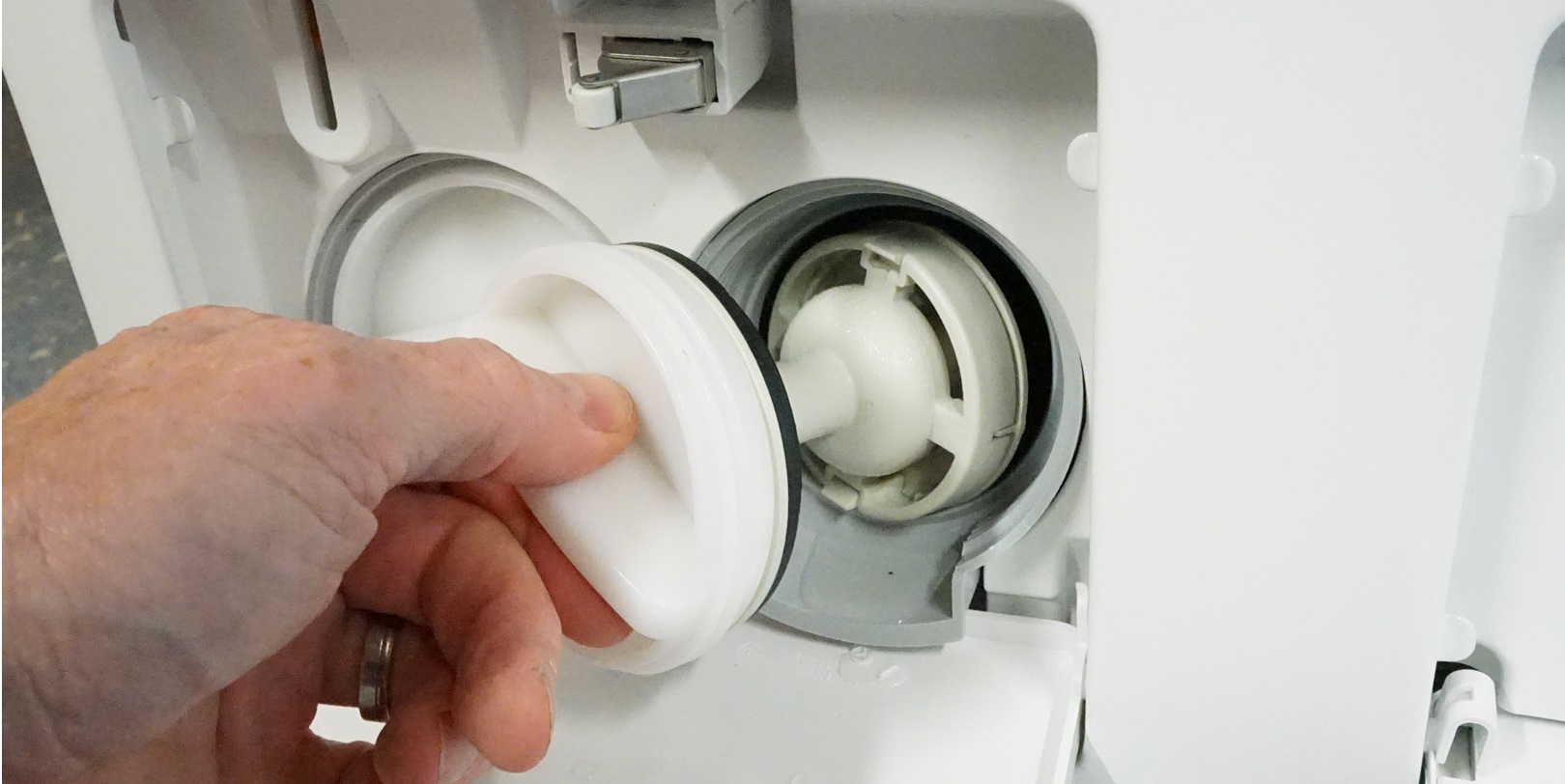
- collect the water that flows out of the hole in a prepared container;
- illuminate the opened hole, remove any debris, if any;
- Turn the pump impeller with your fingers or a stick – the part should move freely.
If the impeller is moving with difficulty, check to see if there is a foreign object stuck between the blades or if hair, thread, or other debris is wrapped around the part.
If the impeller appears to be in good condition, we recommend testing the washing machine drain pump with a multimeter. To diagnose the pump with a tester, you'll need to get closer to it. The next step is as follows:
- cover the floor with a blanket;
- Place the machine on its side, on a pad;
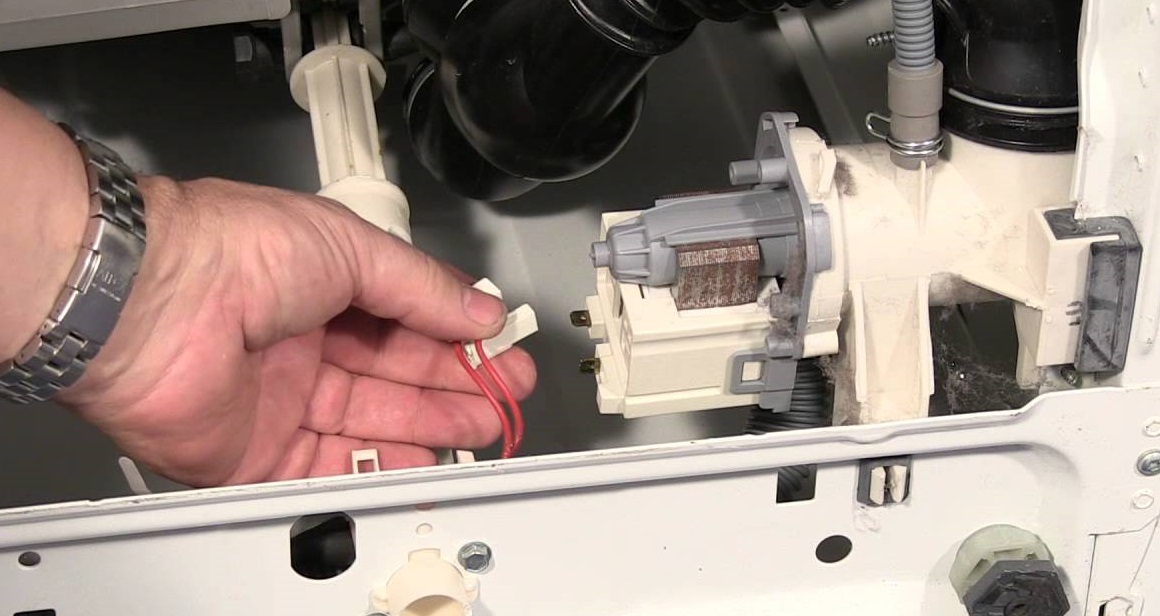
- remove the washing machine tray, if provided;
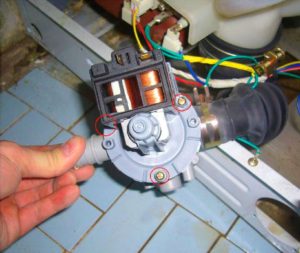
- Look under the base, find the pump and the snail.
To check for proper operation, you don't need to remove the drain pump. You can leave it in the washing machine housing. We'll explain how to proceed.
Is the pump winding intact?
Next, you need to test the pump with a multimeter. The normal resistance of the stator winding of the drain pump of an automatic washing machine is 150-250 Ohm.If the tester display shows a value within this limit, the winding of the part is intact.
Before testing the pump with a multimeter, make sure that the washing machine is disconnected from the power supply.
Set the tester to ohmmeter mode. Next, disconnect the power wires from the drain pump. Then, attach the multimeter probes to the terminals and read the values on the device's screen.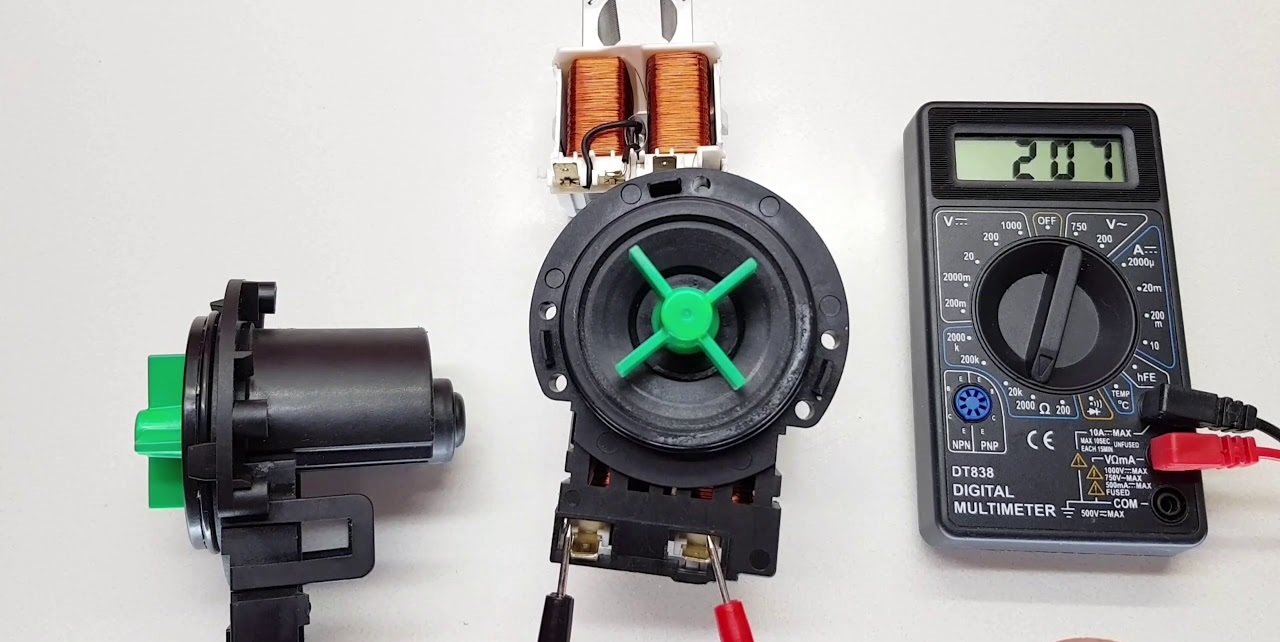
A slight deviation from the standard values, plus or minus 10 ohms, is acceptable. A zero or one on the multimeter screen indicates a short circuit. An infinite number indicates damage to the stator winding. In such cases, the drain pump cannot be repaired; a complete replacement will be required.
If the multimeter readings are normal, check to see if the pump volute is clogged. To do this, disassemble the housing. Sometimes debris trapped inside the pump can interfere with its operation. In this case, cleaning the element will suffice.
We connect the pump directly to 220 V
A multimeter only shows the integrity of the drain pump winding. However, sometimes the impeller jams due to worn bushings, and this isn't noticeable when spinning it with a finger. Therefore, there's another, more reliable way to check the pump's performance.
To do this, you need to connect the pump directly to the outlet, bypassing the washing machine's electrical circuit. This way, you don't even have to remove the pump from the washing machine. The procedure is as follows:
- de-energize the washing machine;
- get to the drain pump (how to do this is described in detail in the previous paragraphs);
- disconnect the power supply wiring from the pump coil;
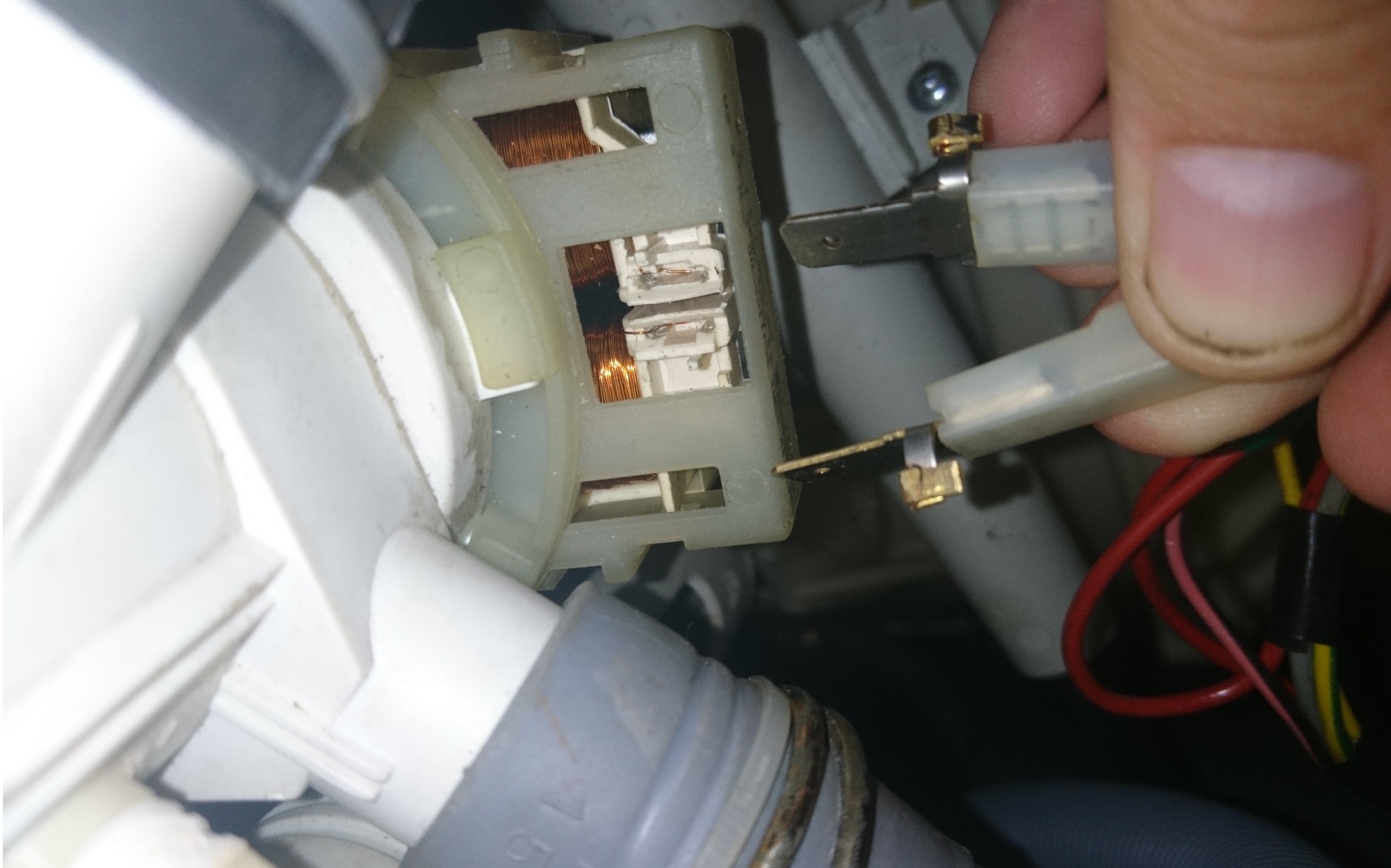
- prepare a power cord with a plug on one end and two wires with terminals on the other;
For better protection, it is recommended to install a fuse in the break in the network cable.
- Insert the power cord terminals into the drain pump connectors;
- Plug the cord into a 220 volt outlet.
After connecting the drain pump to the power supply, the impeller should begin to rotate. If it clicks and stops, the pump is faulty. The rotor body is likely rubbing against the stator, causing the blades to jam. In this case, the element will need to be replaced.
When purchasing a new drain pump, you need to check the model and serial number of your washing machine. Ideally, remove the broken pump and take it to the store. The salesperson will then be able to find a similar part.
The new pump is installed in place of the old one and secured with bolts. Next, the power wires are connected to the pump terminals. After this, the machine body is reassembled and a test cycle is started.
Interesting:

Readers' comments
Headings
Washing machine repair




For buyers




For users


Dishwasher




Add a comment