
Checking the bearings on a Samsung washing machine
 A damaged bearing in a washing machine is a fairly common problem that can be resolved without the help of a specialist. However, before repairing it, you should always check the bearing on your Samsung washing machine. This can save you a significant amount of time if you later discover the bearing assembly is intact and you've taken your "home helper" apart in vain. We'll explain how to diagnose this component before attempting repairs.
How can you tell if a bearing is worn out?
Checking the bearing assembly without completely disassembling the washing machine is almost impossible, at least unless you have many years of experience repairing household appliances. This is because bearings, at the initial stage of deterioration, provide virtually no indication of their impending failure, so you'll likely still have to disassemble your Samsung washing machine. However, there are a number of unique signals that are worth paying attention to in order to detect a problem in the bearing unit in advance.
- Unusual noises appear during the automatic washing machine cycle. Detecting unusual noises during the spin cycle is almost impossible given the high overall noise level. However, during the wash and rinse cycles, unusual sounds are easily heard. Most commonly, these include grinding, unusual knocking, and strange metallic sounds.
- Poor spin quality. Because the drum cannot spin at the user-set speed, clothes will not be able to effectively remove excess moisture.
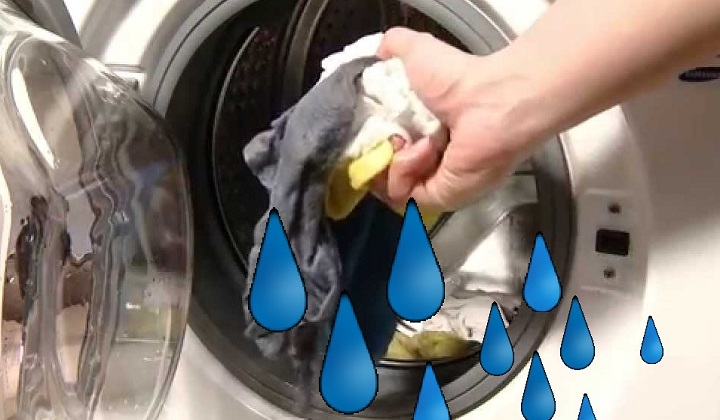
- Excessive vibration during operation. Damaged bearings cause the machine to suffer from poor balancing. As a result, the machine begins to wobble more intensely and even bounce.
It's not always the case that the washing machine starts to suffer from strong vibration when bearings fail early, as the imbalance can be minor, almost invisible to the naked eye.
- Damaged rubber seal. If you discover damage to the rubber seal during diagnostics, this could also be an indirect sign that the bearing assembly is faulty.
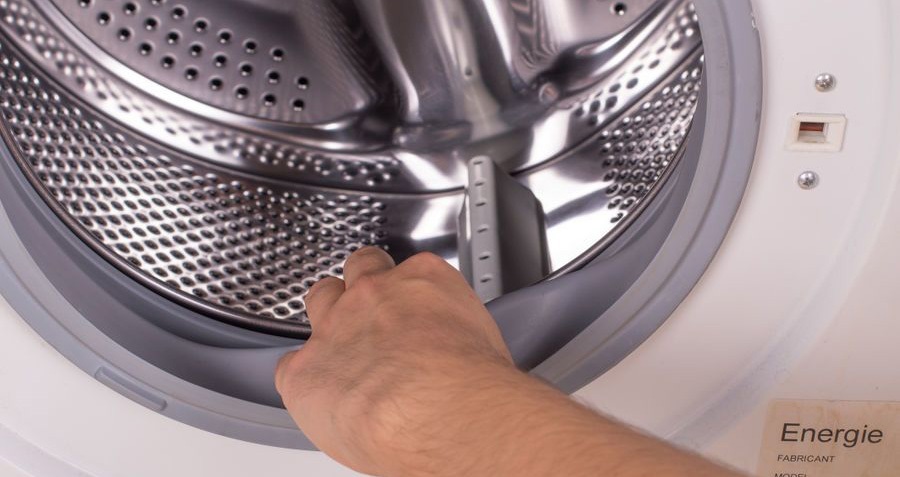
There's another way to check the bearings: unplug the washer, open the door, press the top of the drum with your finger, and rock it. The key is to ensure the drum moves in sync with the tub without any play. If you feel an imbalance during this test, there's almost a 100% chance the bearing assembly has begun to fail.
After the initial check, give the drum a vigorous spin by hand. If it spins freely and makes a faint hum, everything is fine. However, if the drum's movement is accompanied by a loud noise and the rotation is unstable, this is another reason to buy new bearings and replace the damaged ones. Most often, this component fails during heavy use, but a manufacturing defect cannot be ruled out.
We are convinced that the part is faulty
The following instructions apply to situations where the initial inspection fails and you need to disassemble your Samsung washing machine. This should only be done if the warranty period has already expired, so you no longer risk voiding the warranty by disassembling the appliance. However, we won't cover disassembling the drum in this guide, as this is an exceptional situation and should only be used as a last resort. What should you do to check the bearing assembly?
- Disconnect your "home assistant" from all communications.
- Move away from the wall to provide free access to the entire body of the CM.
- Remove the rear panel.
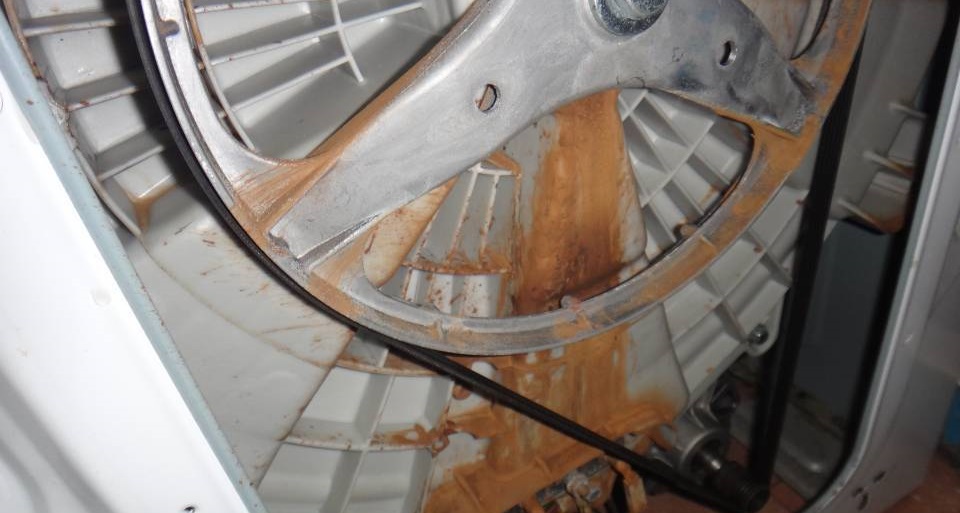
- Examine the tank, especially its rear part, which will require removing the drive belt.
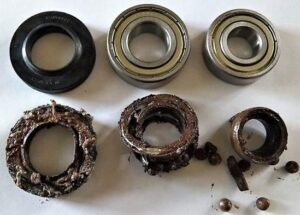
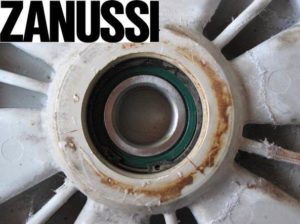
During inspection, pay attention to leaking grease and rusty stains—these are all signs of component failure, often accompanied by a profuse oil leak. If you see such serious signs of bearing damage, it's best to disassemble the machine and avoid using it until the bearings are replaced. Never attempt to wash items while the bearings are faulty, as this is extremely dangerous.
Interesting:
Readers' comments
Headings
Washing machine repair




For buyers




For users


Dishwasher




Add a comment