
How to check the pressure switch on a dishwasher?
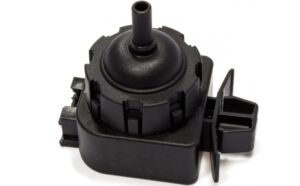 Suddenly, your dishwasher may stop filling with water or, conversely, fill with too much. The cause of this problem lies in the pressure switch, which controls the water level. If it stops sending a signal to the dishwasher's control board, this could be the first step toward a malfunction. Today, we'll show you how to test your dishwasher's pressure switch yourself.
How do you know if the sensor is malfunctioning?
Even before testing, you can determine that the pressure switch is starting to fail. This can be identified by the following signs.
- The dishwasher overflows water or does not add water to the tank;
- There is no water supply;
- After collection, the water is drained;
- The machine stops working with a full system, but does not start draining water;
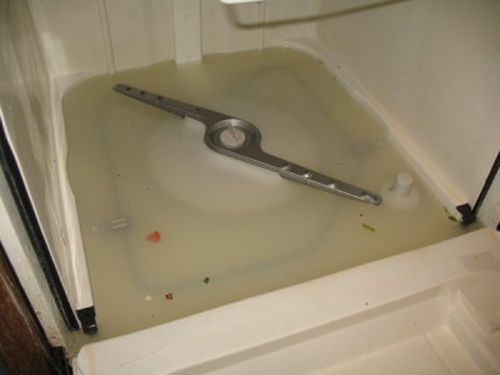
Why do these problems occur? There could be several reasons. It's possible that the sensor element is broken, its contacts are damaged, the wiring is burnt out, or detergent or food residue has gotten into the pressure hose, causing it to become clogged.
Therefore, even if you have all the above symptoms, it's not a guarantee that the pressure switch is broken. This component can only be checked through a detailed diagnostic, which will require partially disassembling the dishwasher.
Find and check the sensor
To check the dishwasher's pressure switch, you must first disassemble it. Be aware that the location of this element may vary depending on the dishwasher model. It's typically located at the bottom of the housing, next to the circulation pump. To access it, follow the instructions carefully.
- Completely disconnect the dishwasher from the electrical network and water supply.
- Place the machine on the back wall of the case.
Water may spill out of the machine, so lay some rags on the floor before putting it down.
- Remove all screws to remove the cover, or release the cover latches if your model has it secured that way.
- If there is a float sensor attached to the pan, disconnect its wiring and then remove the mount.
- The plastic box from which the tube comes out will now be accessible. Use pliers to disconnect the tube from the reservoir.
First, inspect the tank for any blockages. To mechanically test the pressure switch, blow into the pressure sensing tube. If after a few seconds you hear quiet clicks from the pressure switch, then the switch has worked and the device is working properly.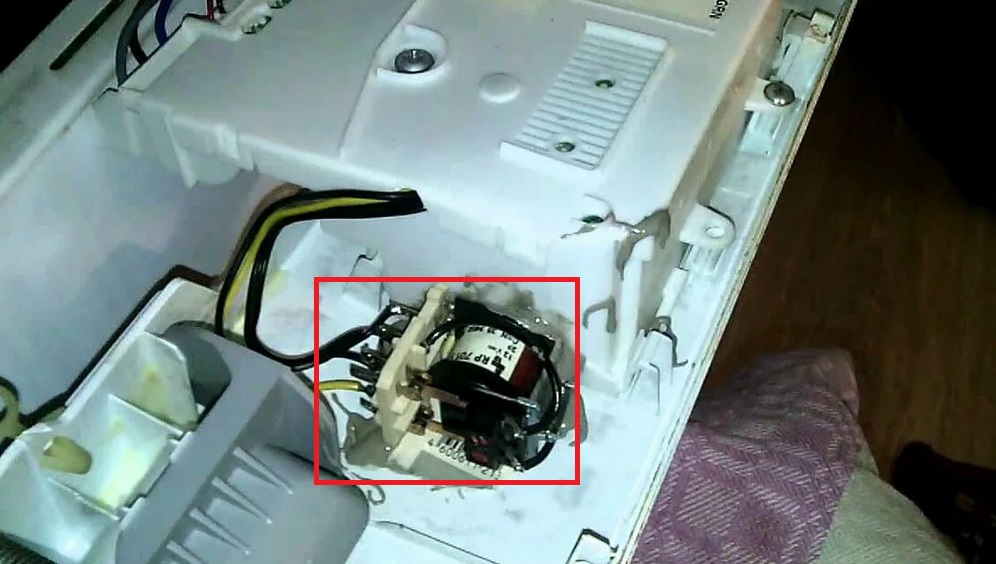
To check the electronics, we'll need a multimeter. Connect the device's probes to the pressure switch contacts. If the reading drops to zero, everything is fine. If not, the part should be replaced. You can also now disconnect all the contacts and the tube, which should also be checked for blockages. If necessary, replace any faulty components.
To ensure your dishwasher lasts a long time, purchase only original replacement parts designed specifically for your model.
Reassembly follows the same instructions in reverse order. After connecting the utilities, conduct a test to check the appliance's functionality, as well as its proper assembly and configuration. If the dishwasher begins drawing sufficient water and cleaning dishes effectively again, the problem has been resolved.
It's much easier to fix problems yourself before they become serious than to spend money on repairs later. Follow all operating instructions, perform diagnostics regularly, and clear the drain of blockages at least several times a month.
Interesting:




Readers' comments
Headings
Washing machine repair




For buyers




For users


Dishwasher




Add a comment