
Checking the Indesit washing machine's power filter
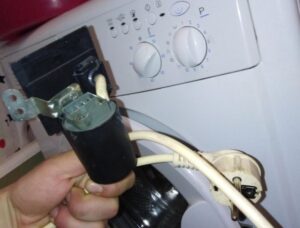 Any household appliance requires periodic maintenance, checking key components and repairing them if necessary. Checking the power filter on your Indesit washing machine is a good idea if the machine is having trouble turning on. This issue is often related to the interference filter—a semiconductor component located on the power cord that supplies power to the machine. This is the component that needs to be checked if the washing machine stops responding to the plug. We'll explain in detail how to do this correctly.
Where is the part you are looking for located?
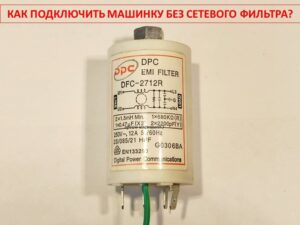
Often, a home appliance stops turning on due to a failed capacitor. To confirm that this component is the culprit, you should first remove the power strip from the appliance and inspect the interference filter. To access it, you need to:
- disconnect the machine from the power supply and other communications;
- remove the top cover of the washing machine, having first unscrewed the retaining bolts;
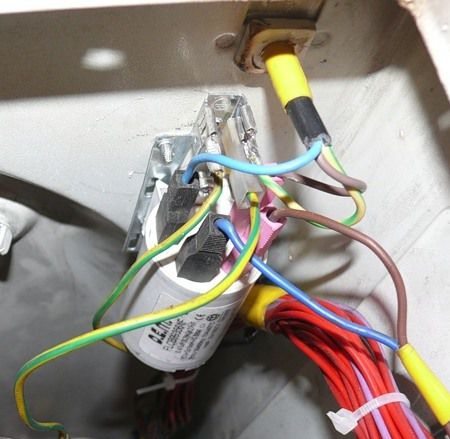
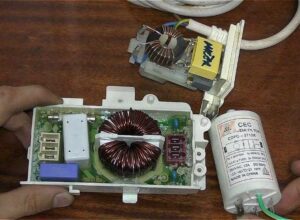
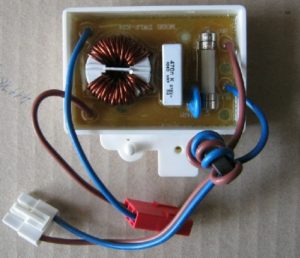
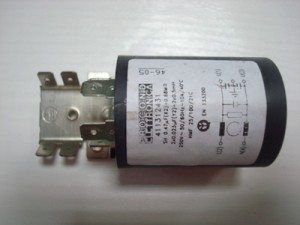
- Look under the cover for the interference filter, which looks like a small black or white piece installed at the base of the power cord.
The surge protector can be found near where the power cord goes.
To remove the capacitor, you need to use a regular flat-head screwdriver to remove the clips. Don't try to visually determine if a capacitor is broken – a multimeter test will be more effective and accurate.
We determine the functionality of the part
Although only a multimeter can provide accurate results, you can sometimes detect damage to a component with your own eyes. Look for signs of fire: melted wires and contacts, an unpleasant burning smell, and black spots. If there are no such signs around the interference filter, you can perform a simple diagnostic according to our instructions.
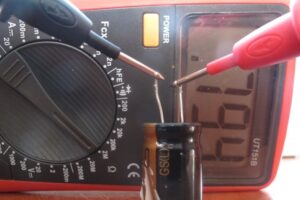
- Set the multimeter to the "buzzer" mode.
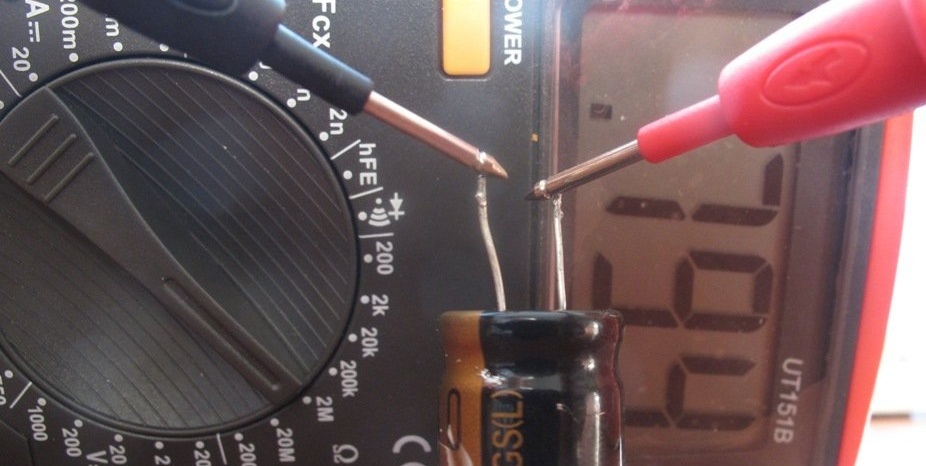
- Connect the device's probes to the capacitor's contacts.
- Check the resistance of the part - if there is no voltage at the output, the unit is burned out.
If the interference filter fails, it cannot be repaired, so you will have to buy a new part.
Replacing this element won't take much time, even for someone with no experience in appliance repair. All you need to do is secure the filter to its mounting location with a few clips. Finding a part that fits a specific washing machine model is much more difficult. Instead of trying to find a replacement for the removed element, it's best to take the faulty part with you to the store as a reference and buy a new, identical one. This is the only way to avoid mistakes and purchase the correct interference filter for your washing machine.
After purchasing, all that's left to do is install the unit, secure it with bolts, hide the machine's internals under the top cover, and then reconnect the appliance to the power and water. After replacing, be sure to test the "home assistant"—if it and the control panel power up normally, then everything is fine.
Why did the filter burn out?
Diagnosing and replacing a noise filter is very simple, but it's even better to prevent it from failing in the first place. This is especially important because if the cause of the damage isn't addressed, the replacement part can very quickly fail, wasting your money. We'll briefly explain how a noise filter works to help you better understand the causes of component failure.
Most often, this component burns out due to sudden power surges. It's no secret that sudden power surges are very common in Russia, causing complex electrical appliances to fail. Sensitive electronic modules in washing machines are particularly prone to failure, as they can become unusable even after the slightest power outage.
The interference filter was designed to eliminate sudden power surges, absorbing the brunt of them. The downside is that it can often only handle small surges, leaving it completely defenseless against larger ones. In such cases, it burns out and shuts down the entire system.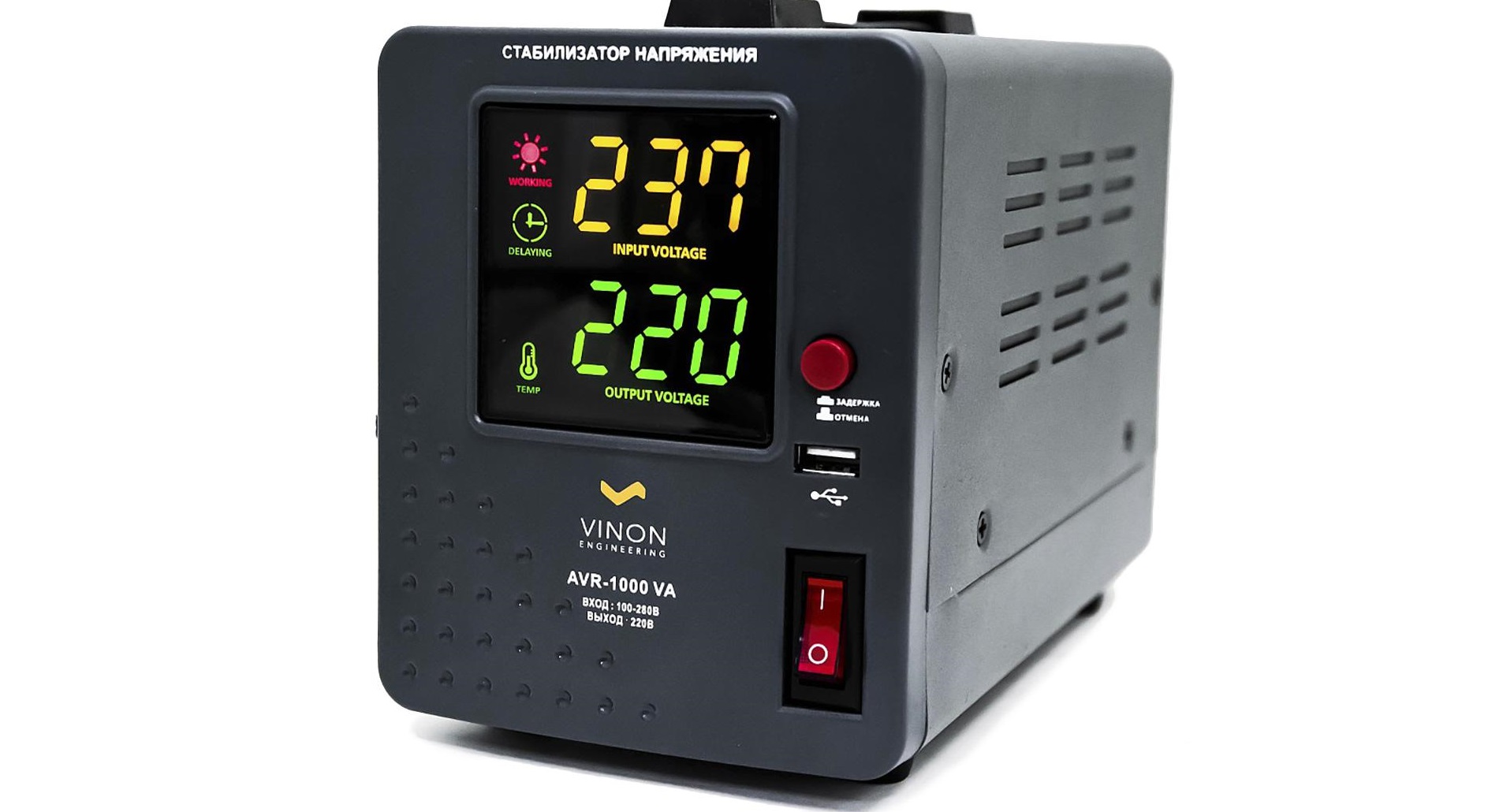
If this happens, the unit cannot be repaired; you'll have to purchase and install a new one. However, it's important to understand that replacing the surge protector won't fix the voltage surges. Therefore, if you frequently experience these issues in your home, it's a good idea to first purchase a suitable stabilizer to prevent potential damage to your appliances.
Interesting:

Readers' comments
Headings
Washing machine repair




For buyers




For users


Dishwasher




Add a comment