
Checking a washing machine before purchasing
 A full inspection of a washing machine involves connecting it to the home's utilities, checking the water intake and drainage process, the drum rotation, the functionality of the control panel, and so on. However, such checks are impossible to perform in a store, and even after delivery, setting up the machine will be difficult. The courier won't wait an hour for your signature on the acceptance certificate. However, this doesn't mean you should sign blindly without even attempting a basic inspection of the machine.
A new washing machine should be inspected upon purchase and delivery. Visual inspection is the primary method. When receiving the appliance at the store's pickup point or upon delivery, the buyer should inspect the appliance from all sides, touching the buttons, housing, and so on. This sensory inspection will immediately identify any defects that the service center may later consider non-warranty.
External inspection and transport fastening
The appearance of the washing machine is extremely important, as are the presence of chips, dents, and scratches on the body. If such defects are present, and in large numbers, it's best not to purchase the machine. After inspecting and finding no visible defects, it's time to check the shipping bolts.
Transport bolts must be installed; if fasteners are missing, do not accept the goods under any circumstances.
Don't listen to the experts who claim the bolts were removed as part of a free promotion to make installation easier for the customer. This is a blatant lie. The transport fasteners must be in place, as they are the only thing that prevents damage to the tank and drum when moving the washing machine.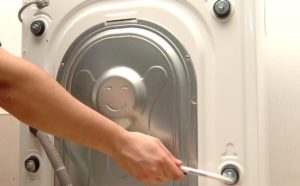
The required number of fasteners can be found in the instructions for any washing machine. The user manual will list the required number of bolts, their locations, and how to remove the components after delivery.
The screws that secure the appliance during transport must be tightened fully and evenly, not at an angle. Therefore, if you notice a bolt off-center, it means the machine was subjected to a strong impact, causing the drum to shift to one side. While this likely won't affect the washing machine's performance, it's not worth taking risks when buying a new appliance. If the drum is plastic, the impact could cause cracks in the surface, leading to leaks during use.
Therefore, it's crucial to pay close attention to the shipping bolts upon delivery. Examine each fastener; there shouldn't be any marks or scratches around them. If there are any marks, the bolts have likely been removed. It's best to reject this washing machine, as it may have been repaired.
Pay attention to the legs
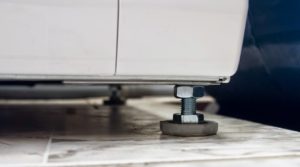 Every washing machine model is equipped with four feet with locking nuts. Inspect each one. The feet should be straight and free of defects. The corner of the machine, near the base, should also be free of dents and chips.
Defects of this kind arise when the equipment hits the floor, which could happen when loading or unloading the machine. Deformed machine feet will not allow the unit to be leveled, which will lead to poor washing quality, imbalance in the drum, excessive noise emitted by the appliance, breakage of counterweights, etc..
Inspecting the dispenser
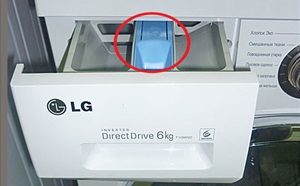 Every washing machine has a powder dispenser. The dispenser holds detergent, fabric softener, rinse aid, and other ingredients. The drawer is removable, making it easy to clean. Some models require you to press a button to remove it, while others require you to pull the dispenser firmly toward you.
Inspect the tray for damage. Also, be sure to look into the opening where the tray was removed and smell it. Normally, you should smell a faint plastic or damp odor coming from inside. If the opening smells distinctly of detergent, it's highly likely the machine has been used, and therefore it's best to avoid purchasing it unless you're specifically looking to buy it secondhand.
Examining the drain and inlet hoses
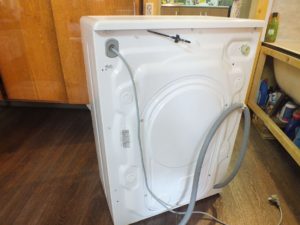
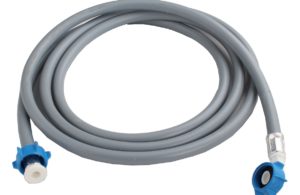 The hoses connecting to the utilities should also be inspected. The drain hose, attached to the rear wall of the washing machine and connected to the pump that removes waste water from the tank, requires special attention. The drain hose is made of thin polymer and is therefore easily damaged. Try not to miss any defects on the corrugated surface of the drain hose.
The inlet hose isn't pre-installed by the manufacturer, but is supplied with the appliance—either in separate packaging or in the washing machine drum. You can inspect the element under bright light, holding the hose up to a light source or a window. Look for any damage, even the smallest cracks and breaks. The inlet hose will be under constant pressure during operation, so an overlooked defect could cause the hose to rupture and spill water into the room.
Let's take a look into the hatch
The drum is a crucial component of every washing machine. It is within this cavity that the laundry is washed. On the drum's surface, you'll see numerous holes that allow liquid to circulate. These holes are created by pressing. The outer edges of the holes are jagged and very sharp. In some cases, pressing can cause the sharp edge to protrude from the drum rather than be hidden inside, directly contacting the clothes being washed. This "contact" will undoubtedly damage the clothes. It's important to ensure that the items are free of such manufacturing defects upon delivery.
Metal "burrs" can also be found in the weld area of the front and back of the drum. This will inevitably affect the quality of the laundry being washed. Checking the drum is easy: take a pair of nylon tights and run them over the entire surface. Delicate fabric will snag on any "sharp edges." If no snagging occurs, there will be no damage to the laundry being washed.
Checking the module, motor and pump
You can partially check used and new washing machines without connecting them to the water supply or sewer system. Therefore, basic diagnostics are available both in the showroom and upon delivery by courier.
If the washing machine was delivered to the buyer's apartment in the winter, it is forbidden to immediately plug the appliance into the power supply; it is necessary to allow the appliance to "warm up."
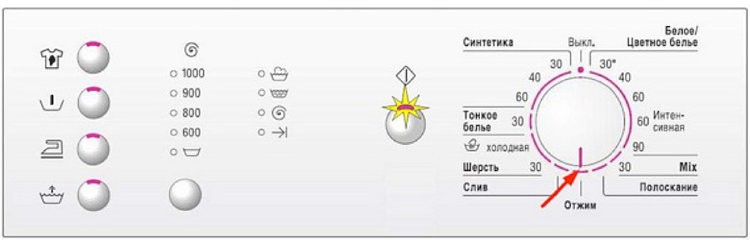
Every washing machine model has a preset "Spin" program. This option doesn't require connecting the washing machine to the house's utility lines; it only requires plugging the power cord into the electrical outlet. If you start the mode, the drain pump will start working, and at the same time the drum will rotate at the set speed. By turning on the “Spin” function, the user will be convinced that:
- the pump is functioning properly;
- the control panel is working;
- the car does not vibrate or “jump” at high speeds;
- the drum is well "balanced".
This type of diagnostic may not be appreciated by store managers or delivery personnel. However, the customer has every right to run the machine before signing the acceptance certificate or handing over the money to the cashier. Therefore, don't be afraid to run the "Spin" program.
It's essential to check used equipment for proper operation of the motor and drain pump. This is because, in such cases, the seller typically assumes no liability to the buyer after the money is transferred. If the equipment is new, such defects are covered by the warranty. However, it's still a good idea to perform diagnostics on equipment "from the store" in this manner.
When buying a used washer, it's best to visit the seller and inspect the machine on-site, as it's often still connected to the water supply and sewer system. This allows you to test all the washing machine's functions: filling the tank with water, ensuring the control panel is working properly, ensuring the rapid drain function, running at high speed during the spin cycle, and so on.
After purchasing a washing machine from a home appliance store, don't delay using it. It's best to start using it as soon as possible. It's also recommended to thoroughly test the unit, running a wash cycle on almost all available settings. This will help quickly identify any manufacturing defects and promptly return the washing machine to a service center.
Interesting:




Readers' comments
Headings
Washing machine repair




For buyers




For users


Dishwasher




Add a comment