
How to test the water inlet valve on a dishwasher
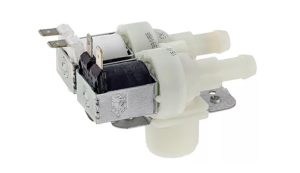 What should you do if your dishwasher isn't filling properly or isn't filling at all? This behavior could be caused by a clog in the system or a broken inlet valve. You'll need to check the functionality of the part. We'll explain how.
Finding, checking and replacing the PMM valve
If you notice your dishwasher isn't filling, don't rush to call a repairman. You can check the water valve on your dishwasher yourself. Before starting work, be sure to turn off the power to the dishwasher and disconnect it from the house utilities.
To access the water supply valve and then check it, you will need the following tools:
- screwdriver;
- pliers;
- multimeter (needed to check the resistance of the solenoid valve).
First, you need to access the water inlet valve. Its location varies depending on the dishwasher model, so consult your machine's manual. On most machines, it's located just behind the inlet hose. In this case, the procedure is as follows:
- cover the floor with a blanket;
- lay the dishwasher on its side;
- remove the rear top panel of the machine by unscrewing the screws holding it;
- remove the power hose connected to the solenoid valve;
- Unscrew the dishwasher base panel;
- unscrew the dishwasher legs;
- disconnect the connectors connected to the Aquastop system float;
- remove the entire back panel of the machine;
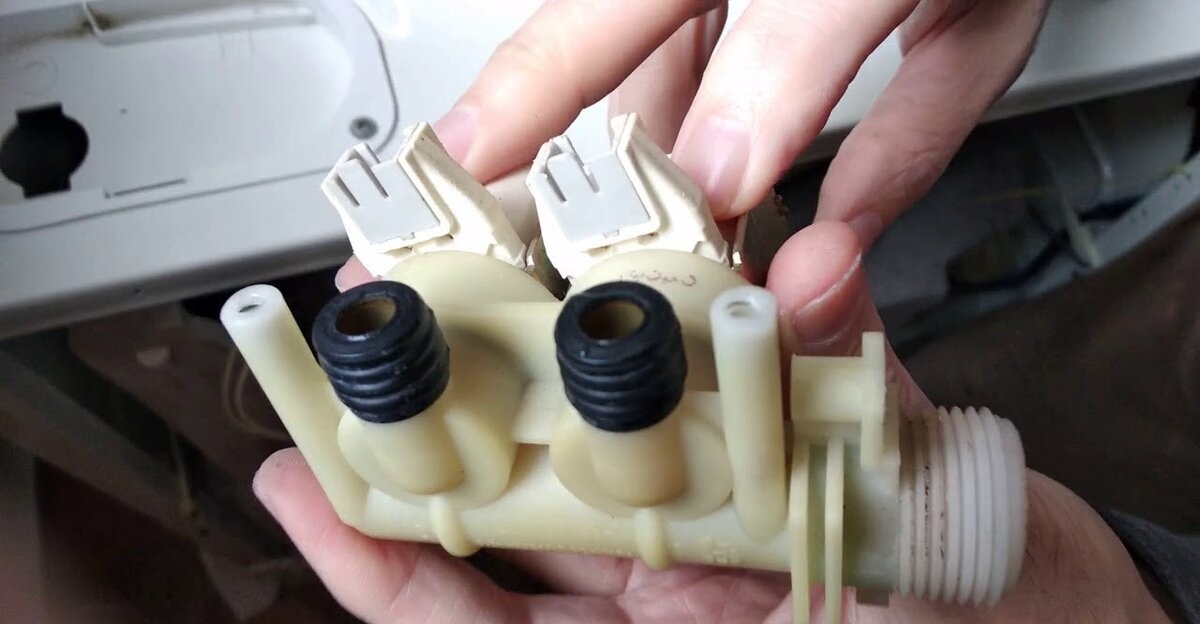
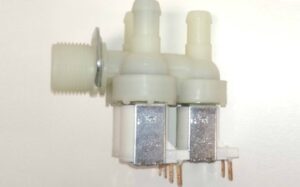
- Remove the water inlet valve to perform diagnostics (to do this, remove it from its socket and disconnect it from the filler pipe).
In some cases, the solenoid valve is clogged on the water supply side. If this is the case, clean the mesh filter. After dismantling, the device is checked with a multimeter; the tester must be switched to resistance measurement mode.
The multimeter probe is placed against the intake valve contact to measure the RPM. It should be greater than 3 kOhm. This indicates the component is in normal, working condition.
If you've identified a problem, don't try to repair the water inlet valve. The inlet valve is not repairable. You'll need to purchase a new part. The cost will depend on your dishwasher model.
It is better to purchase original components for the dishwasher – their service life will be longer.
After installing the new water inlet valve, reassemble the dishwasher in reverse order. Reconnect the inlet hose, replace the feet, and replace the back panel. Then, run a test cycle and observe the dishwasher's operation. If the problem is resolved, water will begin to flow into the chamber.
How to extend the life of the valve?
Users can prevent premature failure of their water inlet valve by following the operating instructions provided with the equipment. These include:
- install a voltage stabilizer (it will protect the inlet valve from burning out as a result of voltage surges in the network);
- install a water filter (the device will prevent waste from the water supply from getting into the dishwasher).
Manufacturers strongly recommend installing an additional filter before entering the dishwasher.
Depending on the type, a filter can soften water or remove debris. Some devices perform both functions. Filter elements are inexpensive, making them affordable for everyone. What are some good options on the market today?
- The Neptune filter has one level of purification. It softens water, preventing scale buildup on the dishwasher's internal components. Prices start at $13.
- The RM mains filter flask. This device both purifies and softens the water passing through it. It protects the dishwasher from limescale deposits and corrosion. It comes complete with a thread cartridge and a wall-mounted bracket. It connects to the water supply with a 3/4" connection. The average price of the device is $13.
- Aquaphor main filter. This device purifies tap water from suspended solids and debris, protecting household appliances from damage. The kit includes a bracket, mounting hardware, and a plastic key. The filter element costs $16.90.
- ITA Filter F50119-2 polyphosphate household appliance filter. Softens hard water and traps suspended solids, preventing them from entering the dishwasher. Average price: $9.
- The ITA Filter ITA-21 1/2" main filter for mechanical cleaning connects to the water supply line. It has a flow rate of 15 liters per minute. It protects household appliances and also facilitates the cleaning of a drinking water filter located further down the line. Prices start at $25.
- Softener
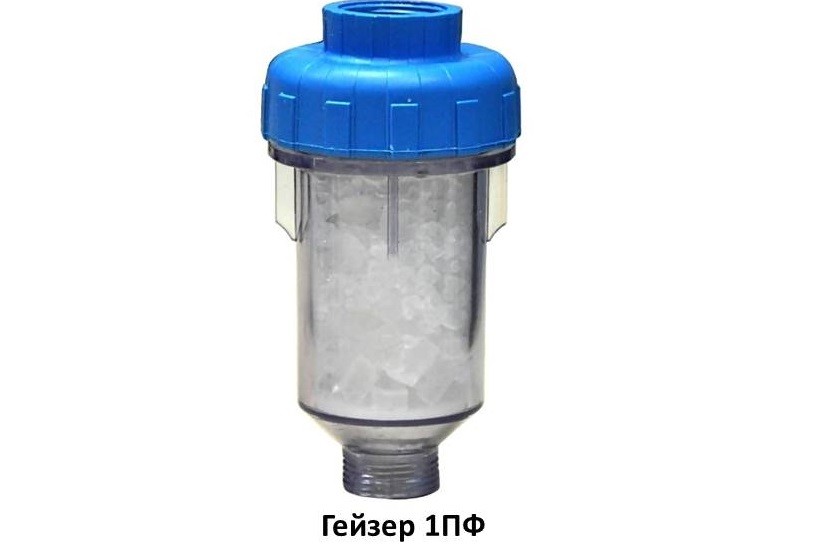 This polyphosphate filter is designed to protect dishwasher parts from scale. It is used only for industrial water. Made of durable plastic, it is easily installed on the main line. Prices start at $5.70.
 - Geyser 1P main filter. It purifies water from suspended solids as small as 5 microns. It removes rust, sand, and other insoluble particles. A single filter starts at $15.
- The Aquabrite filter is another water softener installed before dishwashers. The filter module has a lifespan of 30,000 liters. It costs about five dollars.
- Atoll l-11SC-p STD main filter. Designed for household water purification. Retains mechanical impurities (rust, sand, and other insoluble suspended solids) larger than 20 microns. The standard service life of the device is 10 years. Price: $35–$45.
- The Aqua Pro 346 water softener features a single-stage purification system and connects to the water supply. It's designed to protect household appliances from extremely hard water. The filter costs approximately $4.
The installation method for the selected filter element can be found on the product packaging or in the instructions for it. It is important to change the filter or its cartridge in a timely manner. This is the only way to ensure acceptable water quality for the dishwasher.
Hard tap water containing impurities is very dangerous for appliances. To protect your dishwasher and maintain proper cleaning results, it's best to install a special filter upstream of the appliance. Whether it's a softening or a purely purifying filter is a matter of personal preference.
Interesting:

Readers' comments
Headings
Washing machine repair




For buyers




For users


Dishwasher




Add a comment