
What is the water consumption of an automatic washing machine?
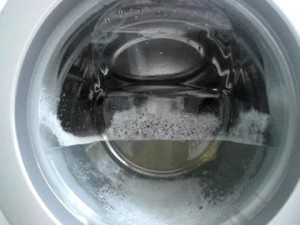 When purchasing a new automatic washing machine, smart people have long paid attention to the average water consumption per wash cycle. This is an important consideration, as we currently wash most of our clothes automatically, wasting hundreds of liters of water per month. It's estimated that a washing machine consumes up to a quarter of the total water consumed by a family of three. Therefore, it's worth considering water-saving methods for washing, and perhaps even choosing a more energy-efficient washing machine model.
What does the amount of water consumed by the machine depend on?
Automatic washing machines are valuable because they save a housewife time and energy by washing, rinsing, and spinning large loads of laundry without her intervention. These freed-up hours can be spent on activities with children or on personal time, but the joy is somewhat dampened when utility bills arrive at the end of the month. Saving energy often turns into unnecessary financial expenses.
It's important to understand that any automatic washing machine will use quite a lot of water, and it's difficult to do anything about it. But in some cases, for some reason, the machine uses excessive water, straining the family budget. Let's take a look at what determines the amount of water a washing machine consumes.
- It depends on the washing machine model. Newer models of washing machines have programs and integrated technologies that allow for some water savings. When buying a new machine, pay attention to these details.
- The laundry load. This refers to two components: the maximum possible load in the drum and the washing method. If you wash the maximum amount of laundry each time, the average water consumption will be lower (except for the most modern washing machines) than if you wash smaller loads more frequently.
- Depending on the presence or absence of a malfunction. A faulty washing machine or its improper connection can increase water consumption. For example, if the inlet valve is faulty, the machine will constantly pump water into the tank, even when it is turned off.
- The washing programs selected by the user. The manufacturer has a specific algorithm for each washing program, including the volume of water pumped into the drum. If you consistently select water-intensive washing programs, your average water consumption will increase.
- User expectations for wash and rinse quality. Some housewives, often after removing items from the drum, are dissatisfied with the way the washing machine washed or rinsed them. This could be due to an incorrect wash program or stubborn stains that the housewife didn't pre-wash by hand. There are many reasons, but the end result is the same: rewashing or re-rinsing is necessary, which means wasting more water.
Important! Generally, the faster a program completes a wash cycle, the more water-efficient the wash will be. In this regard, the "Quick Wash" program or similar programs are considered the most economical.
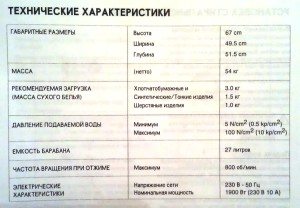
The average water consumption of a washing machine is usually indicated by the manufacturer in the product data sheet. When comparing several washing machine models from different manufacturers, you'll find that these figures vary, but an average can still be calculated. Experts, having studied several dozen washing machine models, concluded that the minimum volume of water used per wash cycle is 38 liters, and the maximum is approximately 80 liters.
A few simple calculations reveal that the average amount of water consumed per wash in an automatic washing machine is currently around 59 liters. Clearly, if your machine uses significantly more than this, you're either doing something wrong or the machine is faulty. In either case, it's worth paying special attention.
Which cars are the most economical?
Now we'll provide information for those considering purchasing a new washing machine. We'll discuss the most energy-efficient modern washing machines, their models, and manufacturers. We present an overview of the most energy-efficient washing machines currently available. This review was compiled using information gathered by washing machine sales and repair specialists.
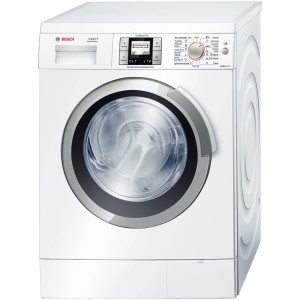 Bosch WLG20265OE. A good, reliable automatic washing machine, thanks to advanced German technology. Its rather austere design and simple control panel hint at its low price. However, the technology used by German engineers in this machine allows for real water savings.
- Firstly, The average water consumption of this automatic washing machine is about 40 liters, and this is when using various washing programs and with a drum load of 5 kg.
- Secondly, water consumption can be further reduced by selecting a special program called "Super Quick Wash." With this wash cycle, the machine uses approximately 36 liters of water—almost a record. This doesn't compromise wash quality at all.
Samsung WF60F1R2F2W. An excellent, affordable automatic washing machine from a renowned Korean manufacturer. This washing machine boasts many advantages, one of which is its efficiency. Indeed, with a maximum drum load of 6 kg, it uses an average of 39 liters of water per wash.
As with German technology, this model has a “super-fast wash” mode; when used, water consumption is slightly reduced to approximately 35 liters per wash.
Please note! Korean washing machines save not only water but also energy. The above model of washing machine belongs to energy efficiency class "A."
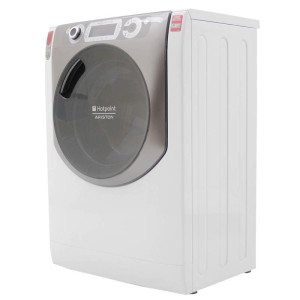 Hotpoint/Ariston AQS1D29. A slightly more expensive, but still highly functional and reliable washing machine from a renowned Italian manufacturer. This machine's average water consumption is 40 liters, but it can be reduced not only by the "quick wash" mode but also by the automatic laundry weighing system.
With all this car Hotpoint/Ariston AQS1D29, when washing using the “accelerated wash” program, uses a record 34 liters of water per wash cycle. Agree, this is an excellent result!
Siemens WS 10G240 OE. Another masterpiece of German engineering, the Siemens WS series washing machine is a relatively inexpensive and economical model, consuming an average of 40 liters of water per wash cycle. Using the "Quick Wash" program, you can further reduce water consumption to 37 liters.
Under normal conditions, unless there's a malfunction, any of the above-mentioned machines will wash clothes perfectly, even with record-low water consumption, and the water savings won't affect wash quality. However, it's a different matter if the user, in pursuit of savings, chooses unjustified wash modes for a certain type of laundry or loads more laundry than the drum's maximum capacity.
When preparing to wash your clothes, read the instructions included with your washing machine. Follow the instructions carefully, and you'll be satisfied with the washing quality and water consumption of your washing machine.
How to reduce water consumption when washing?
To solve the problem of excessive water consumption in your washing machine, you first need to identify the cause. In other words, you need to figure out whether your machine is actually using too much water or if you're just imagining it. What should you do?
- Look at your washing machine's data sheet and see how much water your machine should draw in and use per wash cycle.
- Select the most economical washing program available in your machine's "arsenal" (usually "quick wash," "accelerated wash," "quick 30," and so on) and measure the amount of water used using the water meter.
- Select the most water-intensive wash program (usually those associated with washing cotton or bulky items) and also measure how much water is used using the water meter.
- Based on the resulting figures, calculate how much water your washing machine uses on average.
Please note! When measuring your washing machine's water consumption, remember to turn off all faucets in the house, including the toilet cistern, during the wash cycle, otherwise your calculations will be incorrect.
If your measurements and calculations yield a value close to the manufacturer's specifications (+/- 15 liters), this is normal. Your washing machine is fine and no action is needed. However, if your actual water consumption is significantly higher, say 30 or even 50 liters higher than the manufacturer's stated value, immediate action is required. If you follow the washing machine's operating instructions, there is likely a malfunction and you should contact a specialist.
We advise you not to attempt to access the machine yourself. Self-diagnosis of the fault could very well prove fatal to your washing machine. It's better not to skimp on a specialist, but to save on water later when the machine's malfunction is professionally fixed. If you still decide to search for and fix the defect yourself, read about it, How to properly disassemble a washing machine.
In conclusion, it's important for anyone using a washing machine to be aware of its water consumption. This is important not only for saving on utility bills. Increased water consumption is an indirect sign of a serious malfunction that could lead to the failure of your washing machine.
Interesting:

Readers' comments
Headings
Washing machine repair




For buyers




For users


Dishwasher




Add a comment